
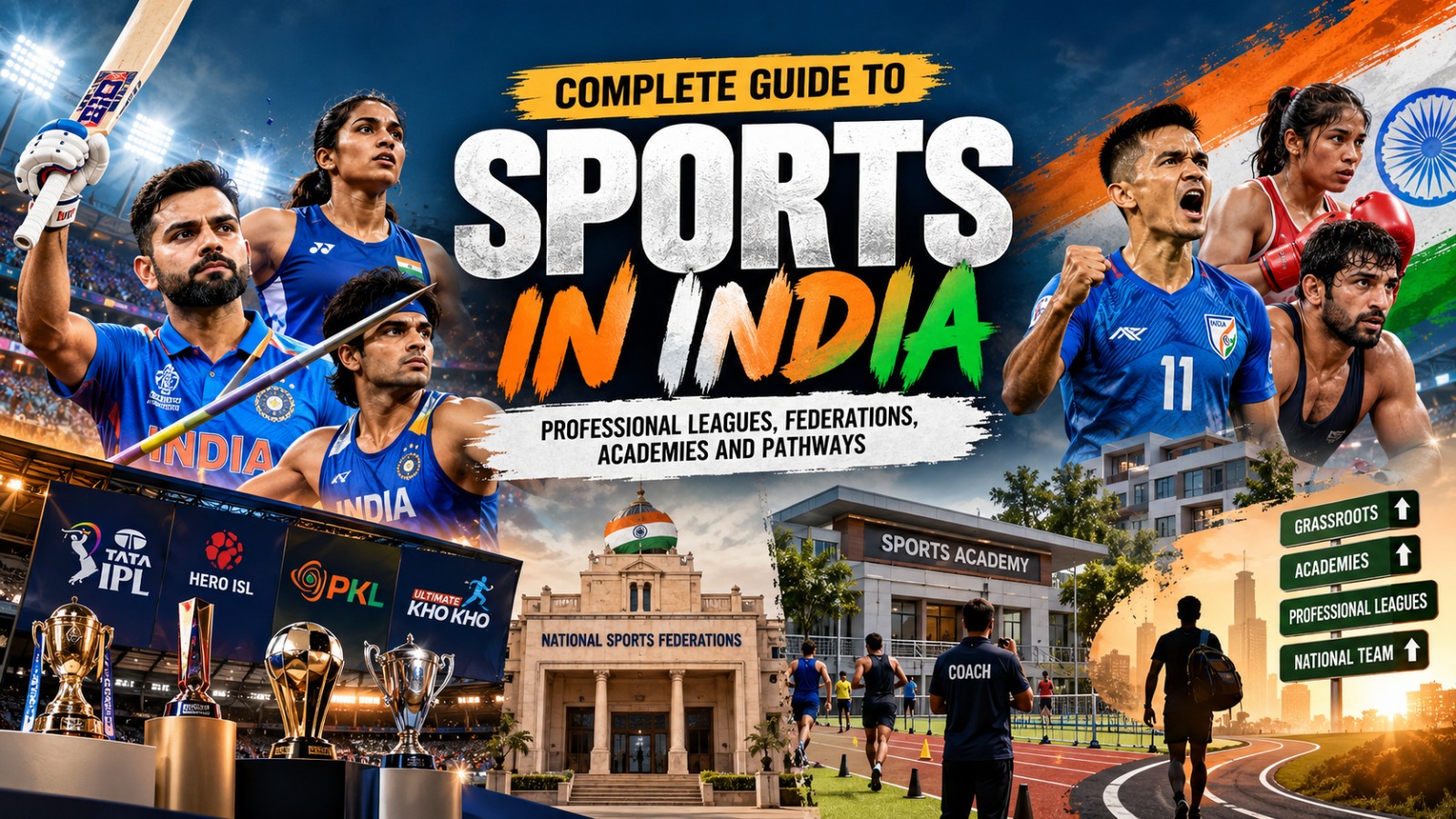
Complete Guide to Sports in India: Professional Leagues, Federations, Academies and Pathways
In India considering awareness and 21st century technology adaption, many young kids wants to make career in Sport.
There are very few people who understand, complete Guide to Sports in India which include- Professional Leagues, Federations, Academies and Pathways on how to become professional in any sport.
Here in this article, we will reveal step by step answers to all those steps to be shared in the below format:
- Professional Leagues:
Indian Sports is increasing exponentially and credit should be given to all stakeholders who have worked hard behind the scenes to make entire ecosystem around leagues popular entity.
There are several leagues like- Indian Premier League which is running successfully from last 18 seasons, and the marquee event is famous for attracting top tier talent all across India and World.
The players who are part of IPL, gain wonderful experience of playing in front of jam packed crowds where they can learn art of absorbing pressure and constructing innings which they hardly will learn from any other league.
Many Ex Cricketers like- Kevin Pietersen have already advocated “IPL is not just good for Indian Players it is good for overseas players too”
Here in this article we will reveal Leagues happening across distinct domain in Indian Sports to be shared one by one sequentially:
1. IPL- Indian Premier League- Cricket
2. PKL- Pro Kabaddi League- Kabaddi
3. PWL- Pro Wrestling League- Wrestling
4. HIL- Hockey India League- Hockey
5. PBL- Pro Badminton League- Badminton
6. UTT- Ultimate Table Tennis- Table Tennis
7. PVL- Pro Volleyball League- Volleyball
8. Kho Kho- Ultimate Kho Kho-Kho Kho
These leagues would not pay you well only but also provide pathways to players where they can prosper and do well and earn name, financial status and other things in detail.

2. Apex Council and Federations:
These Council and Federations, are responsible for Growing Sports in Country.
These Federations play an important role in growing sports across distinct disciplines to be shared in the below format:
• Ministry of Youth Affairs and Sports (MYAS): The central government ministry shaping national policy, including the Khelo Bharat Niti roadmap for grassroots-to-elite sports development.
• Sports Authority of India (SAI): The premier national body providing training infrastructure, coaching, and athlete support from grassroots to elite levels.
• Board of Control for Cricket in India (BCCI): The independent governing body for cricket and the financial titan of Indian sports.
• Indian Olympic Association (IOA): The national Olympic committee responsible for India’s representation at the Olympic Games, Asian Games, and Commonwealth Games.
• Hockey India: The recognized federation for men’s and women’s hockey (replacing older governing structures).
• All India Football Federation (AIFF): Manages national football teams and domestic club licensing standards.
• Other Key Federations: AITA (Tennis, est. 1920), TTFI (Table Tennis, est. 1926), BAI (Badminton, est. 1934), and AFI (Athletics).
All these Federations play an important role in making Sport Flourish in this country and all these stakeholders play an important role to making them a powerful entity.
3. Academies:
The Biggest Question which arises now, despite being league as well as federations supporting distinct sport, if there are no academies in place where will these people learn the nuances of sport effectively and efficiently.
To sum up all academies are not possible let me share some of the renowned academies name across multiple disciplines in the below format:
• Padukone-Dravid Centre for Sports Excellence (Bengaluru, Karnataka) – Multi-sport
• Tarun Sardesai Golf Academy (Bengaluru, Karnataka) – Golf
• Mary Kom Regional Boxing Foundation (Imphal, Manipur) – Boxing
• Bhaichung Bhutia Football Schools (Pan-India) – Football
• SAI Academies where you can learn the nuances of all sports effectively.
BCCI Centre of Excellence in Cricket
Karnataka Institute of Sport
MRF Pace Foundation
Karni Singh Shooting Range
All these academies plays as stalwart to groom next generation of athletes to take up sport.
4. Pathways:
Pathways are very important as it sedate direction on how any players will be groomed right from domestic level to Top Most Level.
We will dive deep into one by one where we will have complete outlook on how players rise up the ranks from lower level to higher level and people/stakeholders who contribute time in their acceleration.
A- India’s sports industry is gradually evolving into a diverse professional ecosystem that offers career opportunities beyond competing on the field. For decades, aspiring athletes and sports enthusiasts often viewed professional playing as the primary route into the sporting world.
B- However, the expansion of professional leagues, increased investment in sports infrastructure, growing interest in scientific training methods, and the emergence of new commercial opportunities have significantly broadened the career landscape.
C- Today, individuals can build careers as professional athletes, sports managers, performance analysts, physiotherapists, strength and conditioning coaches, sports psychologists, equipment manufacturers, and entrepreneurs.
D- Understanding these opportunities is particularly important for students, parents, and young professionals who want to participate in India’s sporting transformation while developing sustainable careers.
E-The first major pathway is becoming an active athlete, which requires a strong foundation in physical fitness, technical ability, discipline, and competitive experience. Young athletes can begin their journeys through school-level competitions, state championships, recognised sports academies, and talent identification initiatives such as Khelo India.
F- Participation in School Games Federation of India competitions and state-level tournaments can also provide opportunities to demonstrate sporting potential and progress towards higher levels of competition.
G- However, reaching the professional stage requires much more than natural talent. Athletes must maintain consistent training routines, follow appropriate nutrition plans, manage recovery, and develop the psychological resilience necessary to perform under pressure.
H-Access to experienced coaches, quality facilities, sports medicine professionals, and competitive exposure can significantly influence their development. The expansion of competitions and professional leagues, including the Indian Premier League, Indian Super League, and Women’s Premier League, has also demonstrated how organised sporting competitions can create commercial opportunities for talented performers.
I- Nevertheless, athletes must recognise that professional success is highly competitive, and financial rewards are not guaranteed. Building a sustainable sporting career therefore requires careful planning, appropriate education, and preparation for opportunities beyond active competition.
J- The second important pathway is sports management, a field that connects sporting performance with business strategy, commercial development, and operational execution. As leagues, clubs, academies, sporting events, and athlete representation businesses expand, organisations require professionals who understand both sports and business.
K- Students can explore this sector through undergraduate or postgraduate programmes in sports management, business administration, marketing, or related disciplines. Internships with sports organisations, event companies, professional teams, media platforms, and sports marketing agencies can provide valuable practical exposure.
L- Career opportunities include league operations, sponsorship management, athlete management, sports marketing, event planning, ticketing, partnerships, facility management, and business development.
M- Professionals in these roles help organisations secure commercial partners, coordinate competitions, improve fan engagement, manage budgets, and build stronger relationships with stakeholders.
N- The increasing commercialisation of Indian sport creates opportunities for individuals who can combine business knowledge with an understanding of sporting audiences. However, academic qualifications alone may not be sufficient to establish a successful career.
O-Strong communication, negotiation, financial understanding, project management, and relationship-building skills are essential. Knowledge of digital marketing, audience analytics, sponsorship measurement, and content distribution can provide additional advantages.
P- Professionals who understand how to convert sporting attention into sustainable commercial value may find opportunities across established sports properties as well as emerging disciplines. The third pathway involves sports science, an increasingly important area that applies scientific principles to improve athletic performance, prevent injuries, and support long-term physical development.
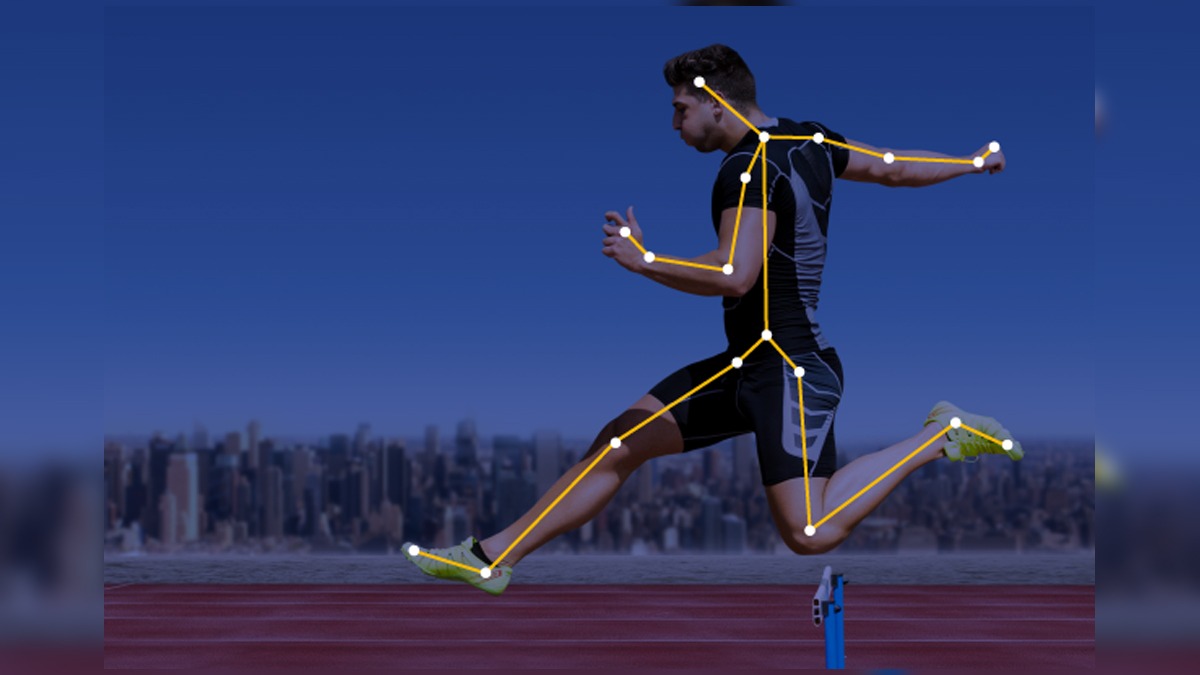
Q- Modern sport increasingly relies on evidence-based training rather than depending exclusively on traditional coaching methods. Sports scientists, physiotherapists, biomechanics specialists, performance analysts, nutrition professionals, and sports psychologists contribute to athlete preparation and recovery.
R- Their work may involve analysing movement patterns, monitoring training loads, assessing physical conditioning, studying performance data, and helping athletes return safely after injuries. Students interested in this field can consider relevant degrees in physiotherapy, exercise science, sports science, psychology, or other recognised disciplines, depending on their chosen specialisation.
S- Additional certifications and practical training can help develop specialised expertise, although professional requirements vary between roles. Opportunities may exist with professional teams, high-performance centres, sports academies, rehabilitation facilities, universities, and independent performance consultancies.
T- Initiatives supporting sports training, research, and athlete development can further strengthen demand for specialised knowledge. However, the practical impact of governance reforms depends on effective implementation, appropriate oversight, and the ability of institutions to address conflicts of interest and misconduct.
Q- For athletes and sports professionals, stronger governance can contribute to more structured administrative processes and clearer accountability. Policy development is equally significant in expanding access to sport through education, participation, infrastructure, and talent identification.
R- The National Sports Policy, 2025, known as Khelo Bharat Niti, provides a broader framework for strengthening India’s sporting ecosystem and improving coordination between stakeholders. Greater integration of physical activity into educational environments can encourage children to develop fundamental movement skills, discover sporting interests, and appreciate the importance of regular exercise.
S- Schools and colleges can become important starting points for identifying talent while helping students balance academic learning with athletic development. Such progress requires trained physical education teachers, accessible facilities, inclusive participation, and sustained investment rather than policy announcements alone.
T- Another promising opportunity lies in the manufacturing and distribution of sporting goods. India has established manufacturing clusters in cities such as Meerut and Jalandhar, which are known for producing equipment and products used across different sports. Growing participation, demand for better-quality equipment, and opportunities to serve domestic and international markets can create avenues for industrial entrepreneurship.
|
Career Pathway / Theme |
Description |
|---|
|
|
Evolution of the Sports Industry |
India’s sports industry is gradually evolving into a diverse professional ecosystem that offers career opportunities beyond competing on the field. For decades, aspiring athletes and sports enthusiasts often viewed professional playing as the primary route into the sporting world. |
|
|
Industry Growth and Opportunities |
The expansion of professional leagues, increased investment in sports infrastructure, growing interest in scientific training methods, and the emergence of new commercial opportunities have significantly broadened the career landscape. |
|
|
Diverse Career Options |
Today, individuals can build careers as professional athletes, sports managers, performance analysts, physiotherapists, strength and conditioning coaches, sports psychologists, equipment manufacturers, and entrepreneurs. |
|
|
Importance of Career Awareness |
Understanding these opportunities is particularly important for students, parents, and young professionals who want to participate in India’s sporting transformation while developing sustainable careers. |
|
|
Pathway 1: Active Athlete |
The first major pathway is becoming an active athlete, which requires a strong foundation in physical fitness, technical ability, discipline, and competitive experience. Young athletes can begin through school-level competitions, state championships, recognised sports academies, and talent identification initiatives such as Khelo India. |
|
|
School and State-Level Competitions |
Participation in School Games Federation of India competitions and state-level tournaments can provide opportunities to demonstrate sporting potential and progress towards higher levels of competition. |
|
|
Athlete Preparation |
Reaching the professional stage requires more than natural talent. Athletes must maintain consistent training routines, follow appropriate nutrition plans, manage recovery, and develop the psychological resilience necessary to perform under pressure. |
|
|
Training Infrastructure and Professional Leagues |
Access to experienced coaches, quality facilities, sports medicine professionals, and competitive exposure can significantly influence athlete development. Competitions and professional leagues, including the Indian Premier League, Indian Super Leage, and Women’s Premier League, demonstrate how organised sporting competitions can create commercial opportunities for talented performers. |
|
|
Sustainable Athletic Careers |
Professional success is highly competitive, and financial rewards are not guaranteed. Building a sustainable sporting career requires careful planning, appropriate education, and preparation for opportunities beyond active competition. |
|
|
Pathway 2: Sports Management |
Sports management connects sporting performance with business strategy, commercial development, and operational execution. As leagues, clubs, academies, sporting events, and athlete representation businesses expand, organisations require professionals who understand both sports and business. |
|
|
Education and Practical Experience |
Students can explore this sector through undergraduate or postgraduate programmes in sports management, business administration, marketing, or related disciplines. Internships with sports organisations, event companies, professional teams, media platforms, and sports marketing agencies can provide valuable practical exposure. |
|
|
Sports Management Careers |
Career opportunities include league operations, sponsorship management, athlete management, sports marketing, event planning, ticketing, partnerships, facility management, and business development. |
|
|
Responsibilities of Sports Managers |
Professionals help organisations secure commercial partners, coordinate competitions, improve fan engagement, manage budgets, and build stronger relationships with stakeholders. |
|
|
Commercialisation of Sport |
The increasing commercialisation of Indian sport creates opportunities for individuals who can combine business knowledge with an understanding of sporting audiences. However, academic qualifications alone may not be sufficient to establish a successful career. |
|
|
Essential Business Skills |
Strong communication, negotiation, financial understanding, project management, and relationship-building skills are essential. Knowledge of digital marketing, audience analytics, sponsorship measurement, and content distribution can provide additional advantages. |
|
|
Sports Business and Emerging Disciplines |
Professionals who understand how to convert sporting attention into sustainable commercial value may find opportunities across established sports properties as well as emerging disciplines. The third pathway involves sports science, an increasingly important area that applies scientific principles to improve athletic performance, prevent injuries, and support long-term physical development. |
|
|
Pathway 3: Sports Science |
Modern sport increasingly relies on evidence-based training rather than depending exclusively on traditional coaching methods. Sports scientists, physiotherapists, biomechanics specialists, performance analysts, nutrition professionals, and sports psychologists contribute to athlete preparation and recovery. |
|
|
Roles and Educational Qualifications |
Responsibilities may include analysing movement patterns, monitoring training loads, assessing physical conditioning, studying performance data, and helping athletes return safely after injuries. Students can consider relevant degrees in physiotherapy, exercise science, sports science, psychology, or other recognised disciplines, depending on their specialisation. |
|
|
Specialisation and Employment Opportunities |
Additional certifications and practical training can help develop specialised expertise, although professional requirements vary by role. Opportunities may exist with professional teams, high-performance centres, sports academies, rehabilitation facilities, universities, and independent performance consultancies. |
|
|
Governance, Research and Athlete Development |
Initiatives supporting sports training, research, and athlete development can strengthen demand for specialised knowledge. However, the practical impact of governance reforms depends on effective implementation, appropriate oversight, and the ability of institutions to address conflicts of interest and misconduct |
Frequently Asked Questions (FAQ) Complete Guide to Sports in India:
Q-1: Tell us simple Pathway that any young athlete should develop irrespective of Sport?
Answer: The Simple Pathway that any Young athlete should follow irrespective of sport they play – start from school level followed by city, state and then making in roads at National and International level.
Pathway also include- Mentorship in between, Coaching procedure all these factors have contributed big time in making elite player to Top Most level.
Sports needs dedication, sacrifice and most importantly commitment to take it further from one level to another.
Sports also need good ecosystem which involves everything which keeps them ahead of curve.
Q-2: What sort of role Good Academies play in grooming any player?
Answer: Academy is extremely important in nurturing any player, in order for anyone to do well, you need a place where you get all facilities, and right set of coaches which will help them to do well where the concern person can bring their A game on the table.
Academies are also foundations which helps any player, to set their foundation where they can fineese their craft and do well and the moment they reach at next level they are well prepared.
Q-3: Lastly, Could you tell us a little bit about Different Professional Leagues?
Answer: There are different leagues happening in India and most probably being- IPL which is one of the best leagues in the world and players who are taking part grow financially and develop pressure to absorb where they could do wonders at National and International Level.
PKL being the second and other leagues are at penultimate stage they need correct planning, to do well and also better sponsorship opportunity and brand guidelines to make those leagues bigger.
My Perspective:
A sports career pathway requires realistic expectations, relevant qualifications, practical experience and continuous learning. Students should evaluate their interests, financial circumstances and long-term goals before committing to a particular route.
India’s sporting future will depend not only on producing champions but also on developing skilled professionals who can strengthen infrastructure, improve athlete welfare, attract investment and build sustainable sporting institutions. For young professionals, understanding these pathways is the first step towards finding a meaningful place in India’s expanding sports economy.
For any Sports Pathway to flourish in our country you need each and everything to click- Leagues- Federations- Academies- Pathways all needs to click really well in order to make career in Sports.
Sports as Career would flourish considering current investment, ecosystem and most importantly, correct stakeholders to take it forward.
Overall, Sports would grow in times to come considering current investment government is inculcating the ecosystem would flourish for sure.
Related posts:
 Strongman Deepak Rao to feature in India’s Ultimate warrior show hosted by Bollywood Actor Vidyut Jamwal
 On the World Earth Day, Sports Minister Kiren Rijiju urges people to protect Earth
 Upcoming Sporting events where Indian Contingents will be taking part in the month of September and October
 How Athletes Make Money in India: Salaries, Prize Money, Sponsorships and Endorsements