
BCCI’s ODI Transition: 5 Indian Cricketers Dropped From Future Plans
Frequently Asked Questions (FAQs)
Q1. Why have these players disappeared from India’s ODI setup despite having international experience?
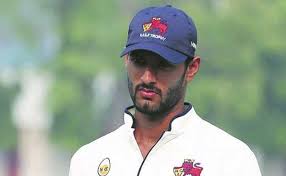
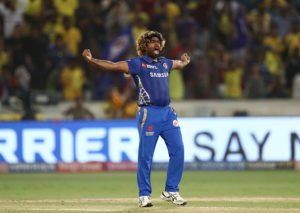
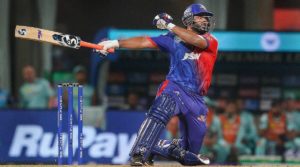
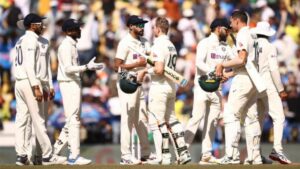
The Indian ODI team is currently going through a major transition phase where the selectors and team management are prioritizing younger, multi-dimensional, and more adaptable players for long-term planning. Modern ODI cricket now demands strong fitness standards, aggressive fielding, batting depth, and role flexibility from every player in the squad. While experienced players like Umesh Yadav, Yuzvendra Chahal, and Shardul Thakur have delivered important performances for India in the past, the management appears focused on building a squad that can consistently perform in high-pressure ICC tournaments over the next few years. Competition for places has also become extremely intense because several younger cricketers are performing consistently in domestic cricket, IPL, and India A setups. As a result, even experienced names are finding it difficult to regain their place once they are dropped from the main ODI combination.
Q2. Can these players still make a comeback into India’s ODI squad in the future?
Yes, comebacks in Indian cricket are always possible, especially for players with international experience and proven match-winning ability. Indian cricket has witnessed several examples where players returned strongly after being ignored for long periods. Injuries to first-choice players, changes in team strategy, or exceptional domestic performances can quickly reopen opportunities at the international level. Players like Chahal and Shardul still possess valuable white-ball experience, while Ravi Bishnoi remains young enough to develop further in the ODI format. However, the road back will not be easy because India’s selection competition is currently stronger than ever. To return, these players will need consistent performances in domestic tournaments, IPL seasons, and whenever opportunities arise in unofficial or India A competitions.
There have been several Omissions like- Mohammad Shami and Bhuvneshwar Kumar who for no reasons have been out from ODI Squad.
It seems that all these players are not going to get back in the shortest format of the game.
| Frequently Asked Question | Answer |
|---|---|
| Q1. Why have these players disappeared from India’s ODI setup despite having international experience? | The Indian ODI team is currently going through a major transition phase where the selectors and team management are prioritizing younger, multi-dimensional, and more adaptable players for long-term planning. Modern ODI cricket now demands strong fitness standards, aggressive fielding, batting depth, and role flexibility from every player in the squad. While experienced players like Umesh Yadav, Yuzvendra Chahal, and Shardul Thakur have delivered important performances for India in the past, the management appears focused on building a squad that can consistently perform in high-pressure ICC tournaments over the next few years. Competition for places has also become extremely intense because several younger cricketers are performing consistently in domestic cricket, IPL, and India A setups. As a result, even experienced names are finding it difficult to regain their place once they are dropped from the main ODI combination. |
| Q2. Can these players still make a comeback into India’s ODI squad in the future? | Yes, comebacks in Indian cricket are always possible, especially for players with international experience and proven match-winning ability. Indian cricket has witnessed several examples where players returned strongly after being ignored for long periods. Injuries to first-choice players, changes in team strategy, or exceptional domestic performances can quickly reopen opportunities at the international level. Players like Yuzvendra Chahal and Shardul Thakur still possess valuable white-ball experience, while Ravi Bishnoi remains young enough to develop further in the ODI format. However, the road back will not be easy because India’s selection competition is currently stronger than ever. To return, these players will need consistent performances in domestic tournaments, IPL seasons, and whenever opportunities arise in unofficial or India A competitions. |