
Are Indian State Sports Departments Doing Enough to Promote Their Athletes?
India returned from the 2026 Commonwealth Games in Glasgow with 39 medals. For a country that is still trying to build a stronger sporting culture beyond cricket, every one of those medals should have been a chance to tell a bigger story.
Behind every medal is an athlete, a coach, a family, a training centre and often a small town or village where the journey started. For many young athletes, seeing someone from their own state win on the international stage can be a powerful moment. It can make a sport feel real. It can turn a name they have never heard before into someone they want to follow.
But there is a problem.
While Indian athletes were winning medals in Glasgow, several state sports departments appeared to be almost missing from the conversation online. The same government bodies that are responsible for supporting and promoting sport at the state and grassroots level were, in many cases, barely talking about their own athletes.
This raises a simple question: Are Indian state sports departments doing enough to promote sport and their athletes?
To find the answer, we looked at the official social media accounts of states and Union Territories that had athletes winning medals at the 2026 Commonwealth Games. We checked their activity on platforms such as X, Facebook and Instagram and looked at how often they highlighted their athletes, sporting achievements and grassroots programmes.
What we found was a very mixed picture.
Some states were regularly celebrating their athletes and keeping sport visible online. Others were posting very rarely. And in a few cases, official sports accounts appeared to have gone almost completely silent.
Haryana: Plenty of medals, very little online celebration
Haryana was one of India’s biggest contributors at the 2026 Commonwealth Games. The state produced 11 medallists, including seven gold, two silver and two bronze medals across sports such as boxing, wrestling, athletics and para sport.
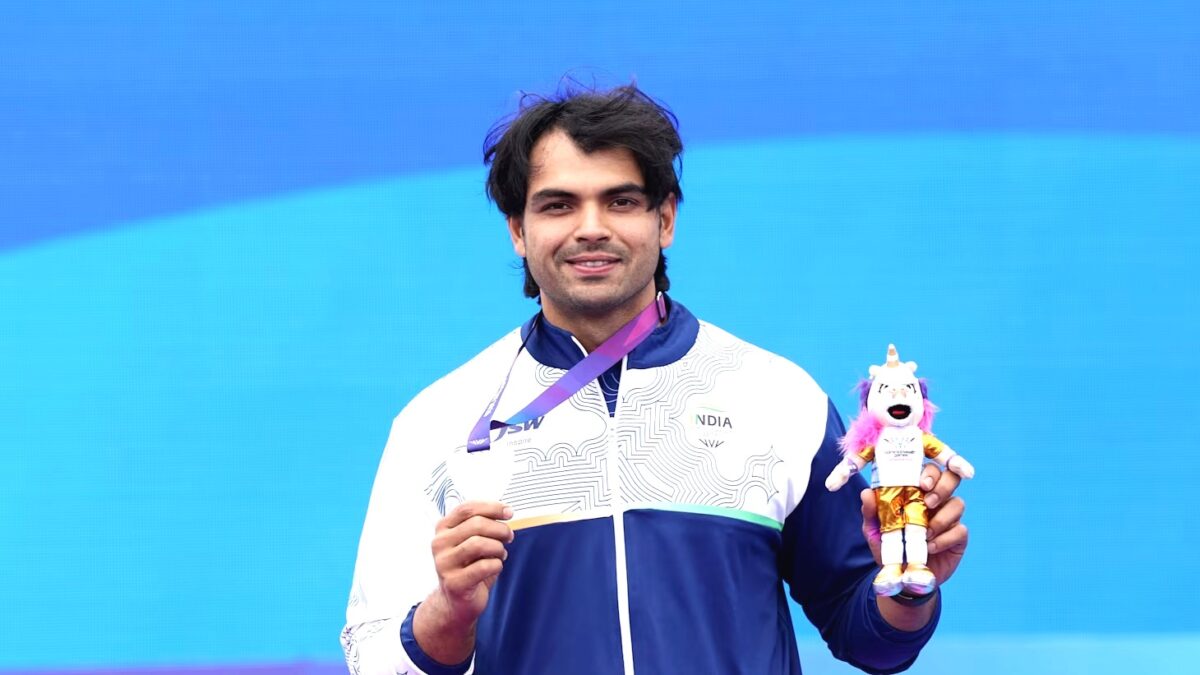
Neeraj Chopra’s silver medal was naturally one of the biggest stories. However, Haryana’s success was not limited to one of India’s biggest sporting names. Athletes such as Preeti Pawar, Jaismine Lamboria, Sakshi Chaudhary, Priya Ghanghas, Sachin Siwach and Ankush Panghal also made their mark at the Games.
These are exactly the kind of athletes whose stories can help introduce young people to different sports. Yet, when we looked at the social media activity of the Sports Department, Government of Haryana, the picture was surprising.
The department’s X account had posted only once in 2026, and that post was related to the music acts at the Chief Minister’s Cup. Its Facebook and Instagram accounts also showed limited activity, with posts mainly linked to the February event and government activities. There was no clear social media push around Haryana’s 11 Commonwealth Games medallists.
That is a major missed opportunity.
A young boxer from Rohtak or Bhiwani may not know much about an athlete such as Priya Ghanghas. A young wrestler may not know about the journey of another athlete from the state. A simple post from the government sports department could introduce these athletes to thousands of young people.
Instead, the medals came and went with very little official digital coverage.
Manipur: A state with a proud sporting history, but a quiet sports account
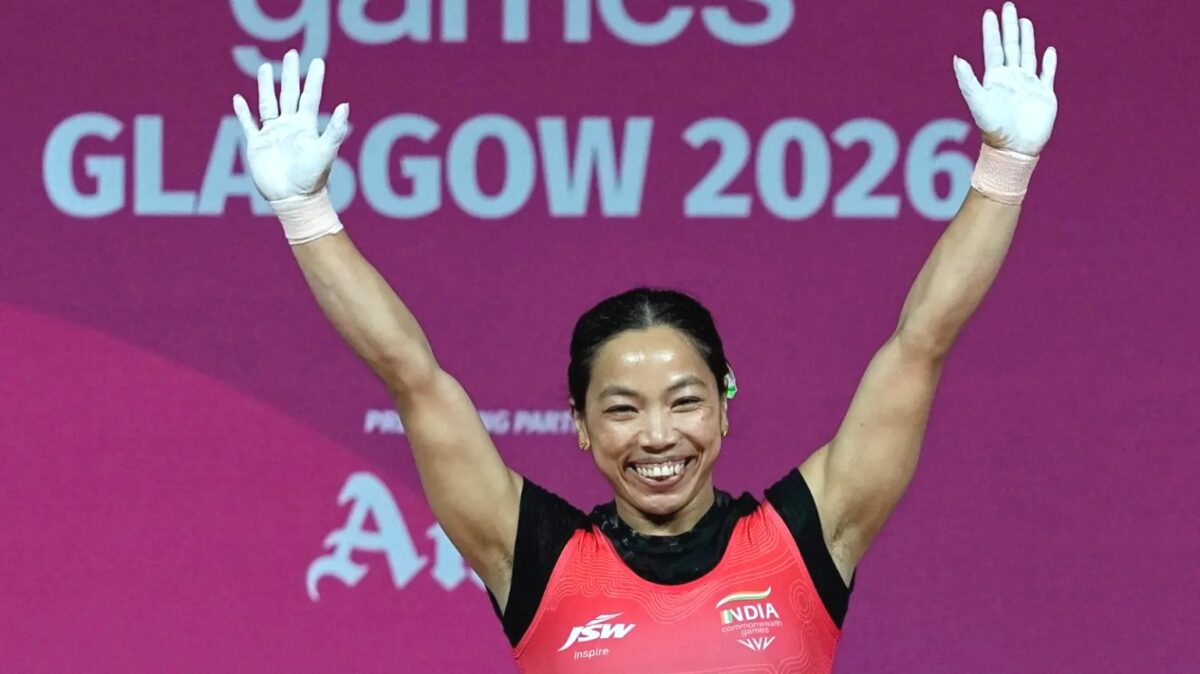
Manipur has long been one of India’s important sporting states. The state has produced Olympic and Commonwealth Games medallists, with Mirabai Chanu being one of its biggest sporting names. At the 2026 Commonwealth Games, four athletes from Manipur won medals: Mirabai Chanu, Rishikanta Singh, Bindyarani Devi and Jadumani Singh.
However, the social media activity of the Department of Youth Affairs & Sports paints a very different picture. Its X account has not posted since October 2023. The last post was related to a “Run for Unity” event. That means the account remained inactive through the entire 2026 Commonwealth Games campaign.
The Facebook account has shown some activity this year, but it has been irregular. Its Instagram account has also remained largely quiet, with only two posts since January. For a state with such a strong sporting identity, this is difficult to ignore.
The athletes are producing results at major international events, but the official digital platforms meant to promote sport in the state are not keeping pace.
Rajasthan: Fourteen years without a Facebook post
Rajasthan provides perhaps the most extreme example in this list. The official Sports Department, Government of Rajasthan, has not posted on Facebook since April 14, 2012. That is 14 years.
During that period, Rajasthan has produced athletes who have competed at the highest level. At the 2026 Commonwealth Games, Arundhati Choudhary won a gold medal. Yet the official sports department’s Facebook page has remained inactive for years.
Its X account is also largely inactive, with its last original post coming long before a retweet in March 2021. The department does not appear to have an Instagram account either. There is also a Rajasthan State Sports Council account on social media, but its activity is limited as well.
This means a state with a Commonwealth Games gold medallist does not have a strong official digital platform regularly telling the stories of its athletes.
Arundhati Choudhary’s journey, training and achievement could have been used to highlight boxing in Rajasthan. Her story could have been presented to young athletes in schools, academies and sports centres. Instead, there is very little official content around it.
Uttar Pradesh and Delhi face a similar problem
Uttar Pradesh also had athletes who produced strong results at the 2026 Commonwealth Games. Gulveer Singh won both a silver and a bronze medal, giving the state another major sporting story to talk about. However, the state’s official sports social media activity does not match that achievement.
There are two separate official handles connected with Uttar Pradesh Sports across three major platforms. Much of the content is made up of reposts, while the Sports Directorate, Government of Uttar Pradesh, has not posted in 2026. Again, the athletes are doing their part, but the official digital platforms are not giving them much space.
Delhi presents a slightly different problem.
The Delhi Government does not have a dedicated sports account on the major social media platforms. That means athletes such as Commonwealth Games gold medallist Harsh Singh and bronze medallist Tejaswin Shankar do not have a dedicated government sports platform regularly highlighting their achievements.
Their success can still be covered through the broader Delhi Government system, but sport does not appear to have its own consistent digital voice.
Tamil Nadu shows what regular promotion can look like
Tamil Nadu provides a sharp contrast to the states mentioned above.The Sports Tamil Nadu social media handles are active and regularly feature athletes, sporting events and government sports programmes.
The state had three Commonwealth Games medallists: Praveen Chithravel, Selva Prabhu and Muthupandi Raja. Each medallist received dedicated attention. But the important point is that the state’s social media activity does not stop at medal winners. It also talks about sports schemes, athletes and other sporting activities.
The posts are frequent and easy to understand. They keep sport visible instead of treating it as something that only needs attention during a major event. For a young athlete in Tamil Nadu, a government sports page can become a regular source of information about athletes, competitions and sports programmes. That creates a very different online environment compared to a sports department that posts only once every few months.
Madhya Pradesh, Chhattisgarh and other states stay active
Tamil Nadu is not the only state doing this well. Madhya Pradesh, Chhattisgarh and Karnataka have also maintained active Facebook and Instagram pages, regularly highlighting athletes and sporting activities. Assam, Bihar and Tripura also follow a similar pattern.
Their social media pages may not always be perfect, but there is a clear effort to keep sport visible and give athletes attention. This is especially useful for athletes who are not household names.
A Neeraj Chopra-level athlete will naturally receive coverage from national media. However, a young athlete from a small district who wins a national or international medal may not get the same attention.
That is where state sports departments can play an important role. A simple post introducing the athlete, explaining where they are from and highlighting their achievement can help build recognition.
Kerala also remains active
Kerala does not have a separate sports handle on X, but its Facebook and Instagram accounts remain active. The state regularly highlights its athletes and sporting achievements. At the 2026 Commonwealth Games, Murali Sreeshankar and Mohammed Basil won silver medals. Their achievements received attention through the state’s social media activity.
This is another example of how a government can keep sport visible even without having a dedicated account on every major platform.
Andhra Pradesh has also maintained a similar rhythm across its social media platforms.
The middle ground: Punjab, Uttarakhand and Maharashtra Not every state can be placed in the “inactive” or “highly active” category.
Punjab is somewhere in the middle. Its X account had only two posts in 2026, one for New Year’s Day and another for Republic Day. However, its Facebook and Instagram accounts were more active, particularly around coaching activities and departmental meetings. The issue is that athletes do not always get the same level of attention.
Uttarakhand was much more active in the previous year but became quieter in 2026. Its Facebook activity has focused more on government schemes and announcements, while its Instagram account did carry posts around the Commonwealth Games.
Maharashtra has also made an effort to highlight its Commonwealth Games athletes. The state has dedicated posts for Sarvesh Kushare and Dilip Gavit, while its Instagram account remains fairly active. This places Maharashtra closer to the states that are making a clear effort to keep sport and athletes visible.
Karnataka’s situation is also interesting.
Its X account has not posted since March 2024, when the content was related to an event that was not directly about sports. However, its Facebook and Instagram accounts remain active and have highlighted its Commonwealth Games medallists. So, looking only at one platform would not always give the full picture.
The bigger picture across Indian states
The social media activity of state sports departments reveals a clear difference in how governments communicate about sport. Some states treat social media as an active tool. They post about athletes, competitions, medals, training programmes, government schemes and sporting events. Their pages create a steady stream of sports-related content.
Others seem to use social media only when there is a major government event or a formal announcement. Then there are states where the official sports department pages are almost completely inactive. The Commonwealth Games have made this difference particularly clear.
India had 39 medals in Glasgow. Behind those medals were athletes from different states and Union Territories, many of whom are not widely known across the country. For them, a state government social media post can be one of the simplest ways to reach people in their own state. It takes very little to create such content. A photograph of the athlete, their name, sport, hometown and achievement can tell a complete story.
A short video from their training centre can introduce their journey and a post about their coach can show where their success began. These are simple forms of communication, but several state sports departments are not using them consistently.
The biggest gap is not necessarily the number of followers or likes. It is the connection between elite sport and grassroots sport. When a young athlete sees someone from their district win a medal, the achievement becomes easier to relate to.
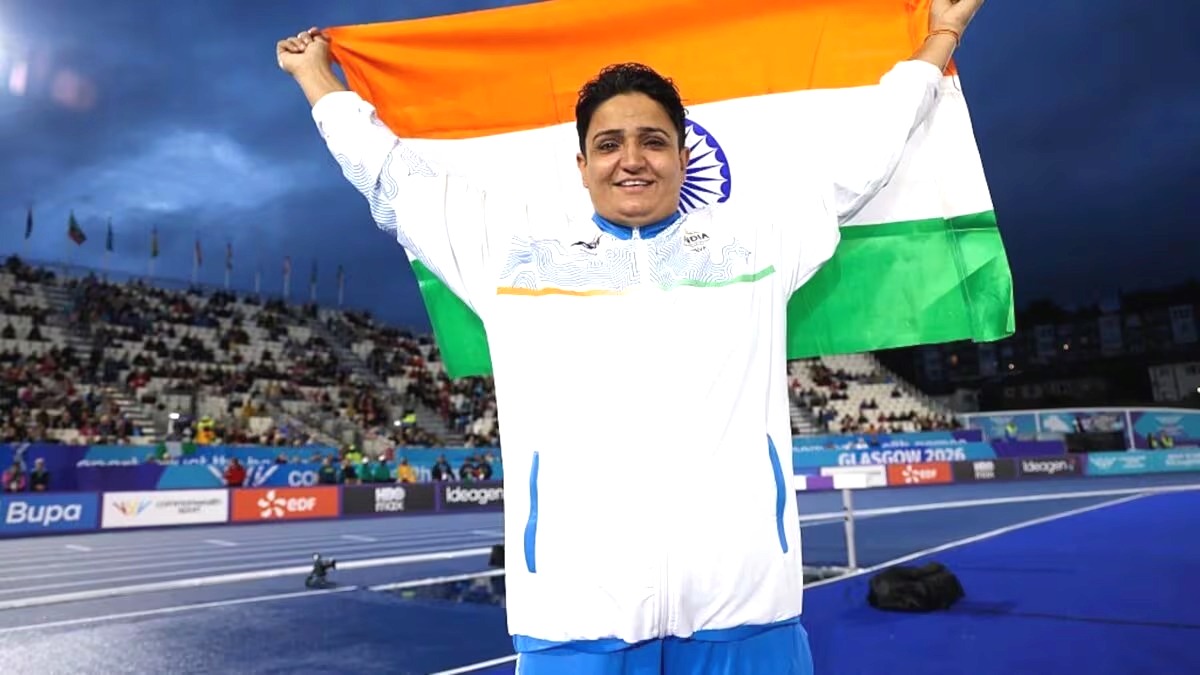
A shot putter can see Sharmila Dhankar and understand that an athlete from India can reach the Commonwealth Games podium. Boxers can see Priya Ghanghas and understand that boxing is not just something watched on television.Young weightlifter can follow Mirabai Chanu’s journey and see what years of training can lead to.
For this connection to happen, however, someone has to tell the story. National media cannot cover every athlete every day. That is not their job. A state sports department, on the other hand, is in a unique position to know where its athletes come from, which academies they train at and which coaches helped them get there.
This makes state sports departments one of the most direct channels for promoting local sport. Yet, as our review shows, many of these departments are not using that channel regularly. The contrast between medal-winning athletes and inactive government accounts is striking.
An athlete can spend years training, travel across the country, compete internationally and win a medal, while the official sports department account in their own state may not publish even one dedicated post about them.
And that leaves an important question hanging over India’s sporting system: if state sports departments are not actively telling the stories of their own athletes, who is going to take those stories to the next generation?
Related posts:
 Mirabai Chanu’s 12-Year Journey: From Nervous Teen to Four-Time Commonwealth Games Medal Winner
 ‘Beaten From 11 PM to 3 AM’: Sharmila Dhankar’s Journey From Abuse to Commonwealth Games Gold
 Varanasi as an athletics Hub- A Long Walk down the memory lane
 Which Countries are sending more Contingents than India to Commonwealth Games 2022?