

Most Expensive Olympic Games Ever Hosted in Detail
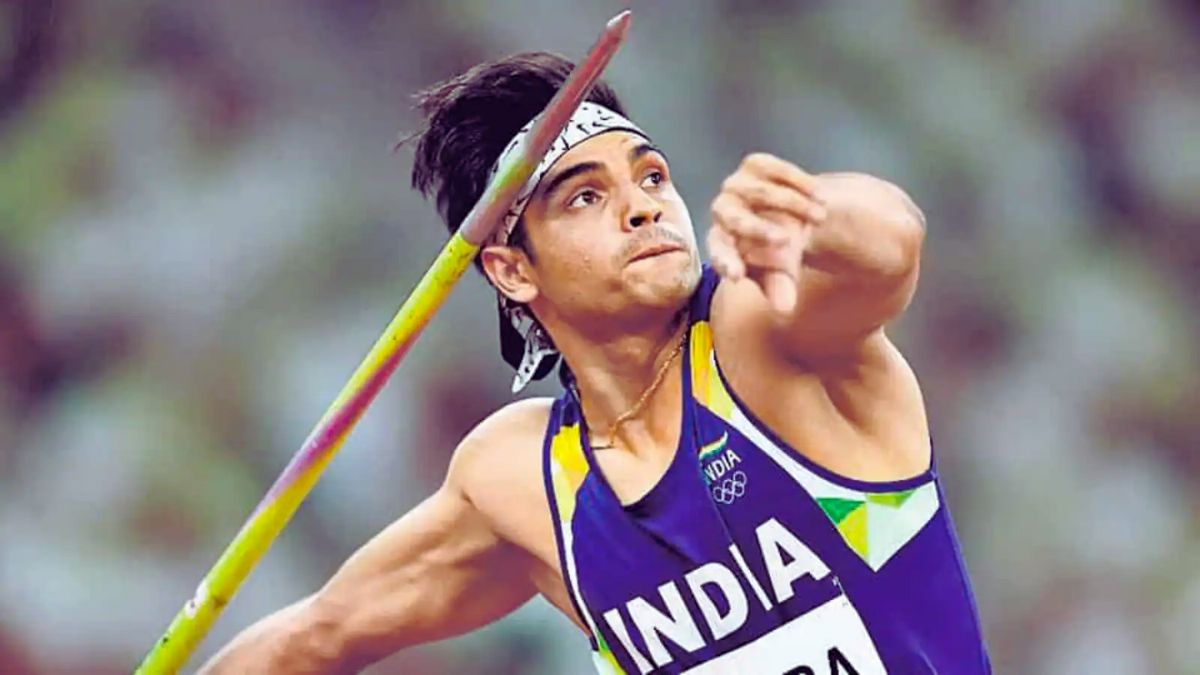
The Paris 2024 Olympics are set to commence on July 26, 2024, and will run until September 2, 2024. This prestigious event will see participation from various countries, competing across multiple sporting disciplines for coveted medals. As India, which secured seven medals at the Rio 2016 Olympics, aspires to surpass its previous achievements, it is an opportune moment to delve into the financial aspects of hosting such a monumental event. Specifically, we will explore the costs associated with the most expensive Olympic Games ever held.
Rio Olympics 2016: The Costliest Marquee Event
The Rio 2016 Olympics stand out as the most expensive Olympic Games to date, with a staggering cost of approximately USD 11.1 billion, equivalent to roughly INR 92,420.59 crores. Despite the grandeur, the event also marked the highest financial loss in Olympic history, estimated at around USD 2 billion, or INR 16,654.20 crores. This significant expenditure and loss prompt an inquiry into the factors contributing to such enormous costs.

Factors Contributing to the High Costs
The exorbitant costs of the Rio Olympics can be primarily attributed to infrastructural and operational expenditures. The host city, Rio de Janeiro, faced substantial infrastructural deficits prior to the event, necessitating extensive development to meet the requirements of the Games.
Infrastructural Costs
Infrastructural costs encompass the expenses incurred by organizers and relevant authorities to build and enhance the necessary facilities to accommodate the influx of tourists, athletes, and officials. According to the International Olympic Committee (IOC), a minimum of 40,000 rooms are required to house athletes, referees, and officials. This necessitated the construction and renovation of numerous hotels, athletes’ villages, and other accommodations. Additionally, the city had to upgrade its transportation networks, sporting venues, and other essential infrastructures to ensure smooth operations during the Games. These developments significantly escalated the overall cost of hosting the event.
Operational Costs
Once the infrastructural framework is established, the next major financial commitment involves operational costs. These costs are associated with the actual execution of the Games and are divided into various categories. Key components include event management, organizing and preparing for the opening and closing ceremonies, security arrangements, and logistics. The operational budget also covers marketing, broadcasting, and administrative expenses. Historically, these costs have seen a significant increase, reflecting the growing complexity and scale of the Olympic Games.
Broadcasting and Live Streaming
In the modern era, live streaming and broadcasting have become integral parts of the Olympic experience, allowing global audiences to witness the events in real-time. For the Paris 2024 Olympics, viewers in India can catch all the action live on the Sports 18 channel, with streaming available on the Jio Cinema app. This widespread availability of live coverage ensures that fans do not miss any moment of the competitions, adding to the operational costs but also enhancing the reach and engagement of the event.
Conclusion
The Rio 2016 Olympics serve as a benchmark for understanding the financial dynamics of hosting such a large-scale international event. The substantial infrastructural and operational costs, coupled with the significant financial loss, underscore the economic challenges faced by host cities. As Paris gears up to host the 2024 Olympics, it will be crucial to learn from past experiences to manage costs effectively while delivering a memorable and successful Games. The forthcoming event promises not only thrilling competitions but also an opportunity to witness how Paris navigates the financial intricacies of hosting one of the world’s most prestigious sporting events.
Related posts:
 Paris Olympics 2024: What will be Cost of Tickets in the Upcoming Marquee Event?
 Paris Olympics 2024: List of Athletes who participated in Both Summer and Winter Games held so far in Detail
Paris Olympics 2024: List of Indian Contingents Qualified so far in Biggest Sporting Event | Live Streaming in Detail
Paris Olympics 2024: List of Athletes who participated in Both Summer and Winter Games held so far in Detail
Paris Olympics 2024: List of Indian Contingents Qualified so far in Biggest Sporting Event | Live Streaming in Detail
 Paris Olympics 2024: When and Where to Watch the Opening Ceremony in India?