
Mortal Kombat: The Iconic Fighting Franchise That Defies Time
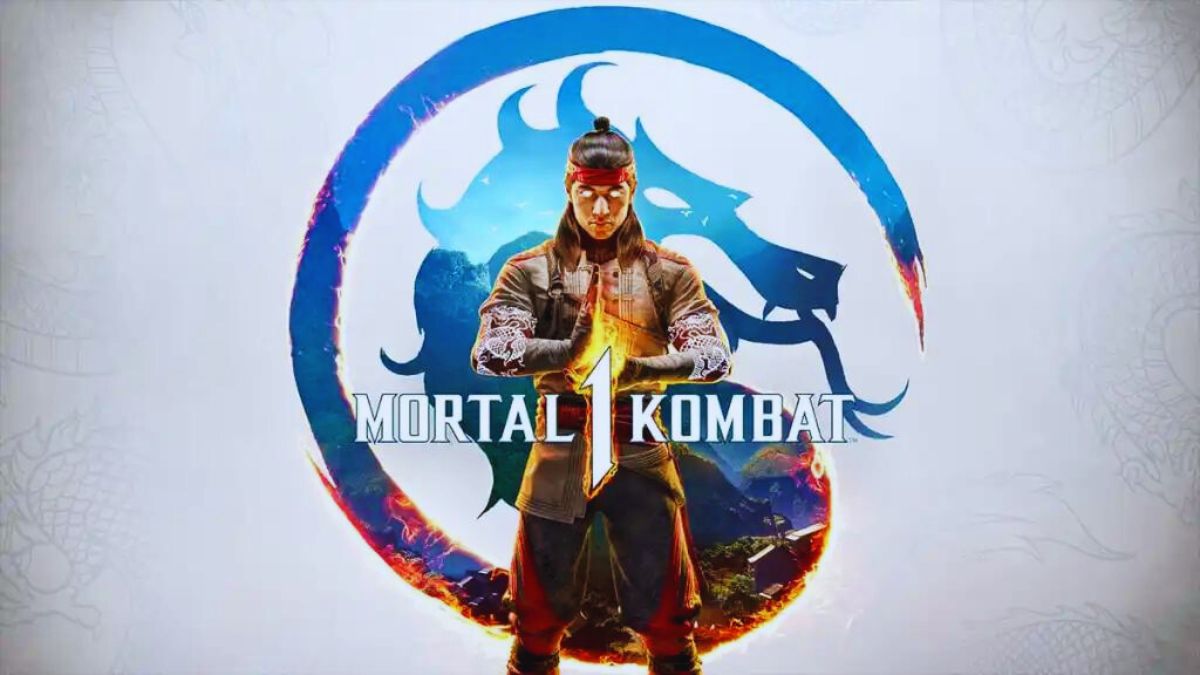
For decades, Mortal Kombat has been a seminal part of the video game industry, captivating millions of players worldwide with its intense gameplay, graphic violence, and memorable characters. Developed by Midway Games and later acquired by NetherRealm Studios, Mortal Kombat has evolved into an iconic fighting game franchise that continues to set the standard for the genre. From its humble beginnings in the arcades to its presence on modern gaming platforms, Mortal Kombat remains a cultural phenomenon that defies time.
Origins of Mortal Kombat
Mortal Kombat made its debut in 1992 as an arcade game, created by Ed Boon and John Tobias. It quickly gained notoriety for its innovative fighting mechanics and the use of digitized characters, bringing a lifelike quality to the virtual combatants. The game’s violence, showcased through the infamous “Fatality” finishing moves, generated both praise for its uniqueness and controversy for its graphic content, leading to the establishment of video game rating systems.
The Iconic Characters
One of Mortal Kombat’s most enduring aspects is its roster of diverse and memorable characters. From the ice-wielding ninja Sub-Zero to the fiery martial artist Liu Kang, each character possesses unique fighting styles and signature moves that resonate with players. Scorpion, with his infamous catchphrase “Get Over Here!”, remains an emblematic figure of the franchise. Over the years, Mortal Kombat introduced numerous new characters, creating a vast universe that fans have grown to love.
Innovation and Advancements
As the gaming industry evolved, so did Mortal Kombat. The franchise witnessed groundbreaking advancements in graphics, storytelling, and gameplay mechanics. The introduction of 3D graphics in Mortal Kombat 4 and the transition to fully three-dimensional fighting arenas in Mortal Kombat: Deadly Alliance marked significant milestones. Additionally, the Mortal Kombat series has seen successful crossovers, including Mortal Kombat vs. DC Universe and the highly praised Mortal Kombat (2011), which served as a reboot of the franchise.
Storytelling and Lore
Beyond the visceral combat lies a deep and engaging narrative that revolves around the battle for Earthrealm and the mystical Outworld. Throughout the series, players have been taken on a journey filled with epic confrontations, betrayals, and revelations. The complex lore and character backstories have given Mortal Kombat a sense of depth rarely found in other fighting games, making it an immersive experience for both casual and dedicated players.
E-Sports and Competitive Scene
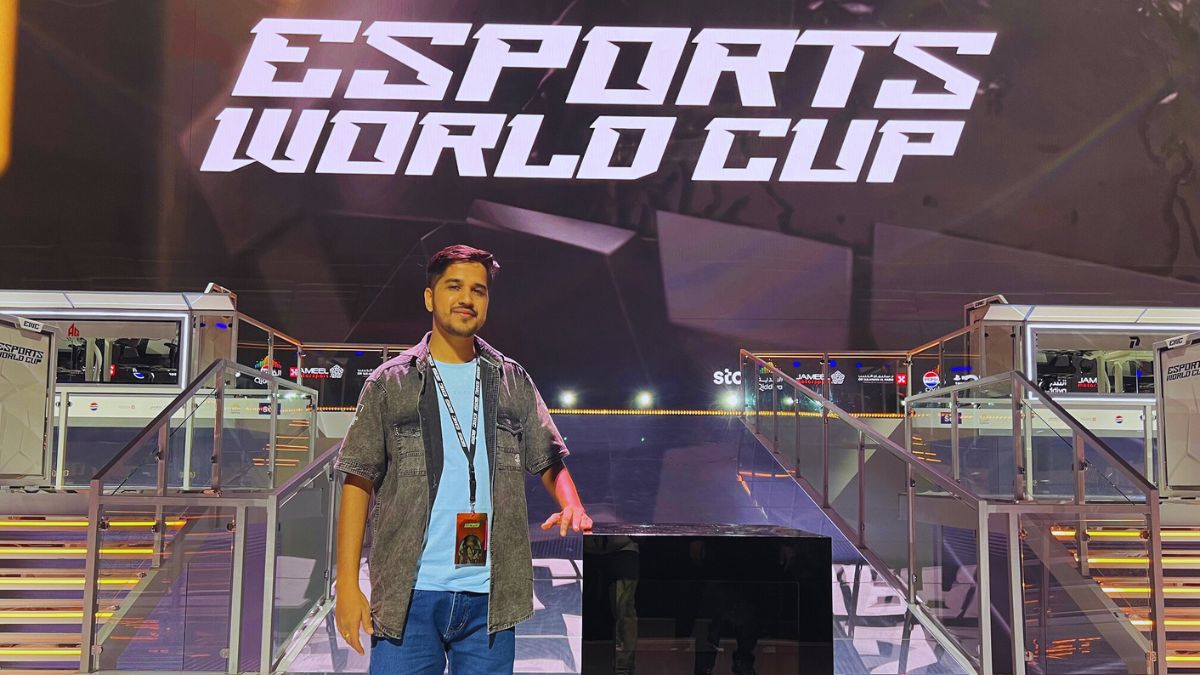
Mortal Kombat’s competitive nature has led to the development of a thriving e-sports community. Tournaments and competitive events featuring top players from around the globe have attracted massive audiences and significant prize pools. The franchise’s consistent updates and balance adjustments have contributed to its appeal as a competitive game, ensuring that it remains a staple in the world of competitive gaming.
Cinematic Adaptations
The popularity of Mortal Kombat also spilled over into other entertainment media, including movies, animated series, and comic books. The franchise’s first live-action film released in 1995 achieved cult status and was followed by a sequel. In recent years, a highly anticipated reboot movie hit theaters, seeking to reimagine the iconic characters and bring the essence of the game to the big screen.
Conclusion
Mortal Kombat’s enduring legacy as a fighting game juggernaut cannot be overstated. It continues to leave an indelible mark on the gaming industry, with each new installment pushing the boundaries of what’s possible in virtual combat. The franchise’s iconic characters, innovative gameplay, and gripping storytelling have solidified its place in gaming history. As the Mortal Kombat series continues to thrive and attract new generations of players, its place as one of the greatest fighting games of all time remains unshakable.