
Top 5 Most Successful Indian Olympians
For decades, Olympic success in India was measured in moments rather than medal hauls. There were long stretches when an Olympic medal felt like a rare national event, with hockey carrying much of the country’s sporting expectations. But over the years, a new generation of Indian athletes has changed that narrative.
From Abhinav Bindra’s historic shooting gold in Beijing to Neeraj Chopra’s javelin triumph in Tokyo and Manu Bhaker’s double-medal performance in Paris, Indian athletes have steadily expanded the country’s Olympic footprint.
When it comes to identifying the top five most successful Indian Olympians, the conversation becomes particularly interesting because several athletes have won multiple medals, while others have produced achievements that were unprecedented in Indian Olympic history.
For this list, we are considering individual Indian athletes since Independence, with Olympic medal count as the primary measure and the colour, significance and historical impact of those medals as additional factors.
Here are five athletes who stand out among India’s greatest Olympic performers.
1. Neeraj Chopra, Athletics
Olympic medals: 2
Gold: 1 | Silver: 1
Sport: Javelin Throw
If there is one athlete who has transformed the way India views athletics, it is Neeraj Chopra.
Before Chopra’s breakthrough, India’s Olympic conversation was dominated largely by shooting, wrestling, badminton, boxing and hockey. Athletics, despite being the foundation of the Olympics, had never produced an individual gold medal for the country.
That changed dramatically at the Tokyo 2020 Olympics.
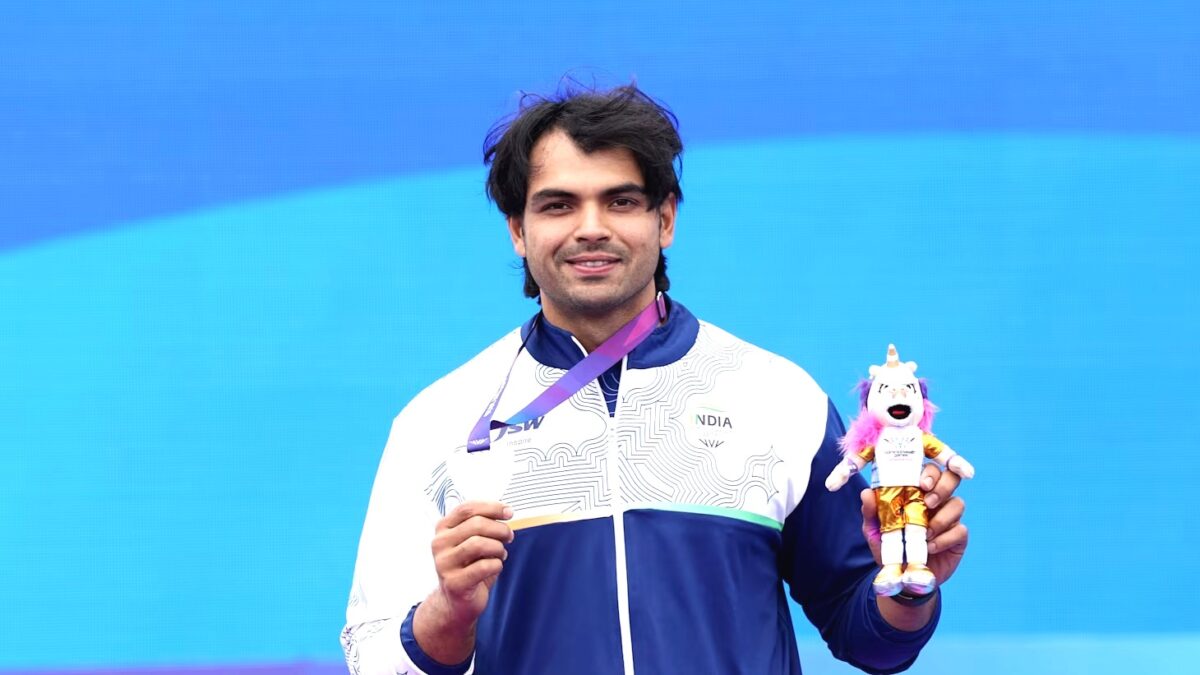
Competing in the men’s javelin throw final, Chopra produced a throw of 87.58 metres to win India’s first-ever Olympic gold medal in athletics. The victory made him only the second Indian to win an individual Olympic gold after Abhinav Bindra. The International Olympic Committee has described Chopra as India’s first track and field Olympic gold medalist. But Chopra did not stop there.
At the Paris 2024 Olympics, he returned as the defending champion and delivered another medal-winning performance. His second attempt of 89.45 metres earned him silver behind Pakistan’s Arshad Nadeem. The Indian Olympic Association notes that the result made Chopra India’s first track and field athlete to win medals at consecutive Olympic Games.
That combination makes Chopra’s Olympic record extraordinary: gold in Tokyo, silver in Paris.
More importantly, his impact goes beyond the medals. Chopra has made javelin throw one of the most followed disciplines in Indian sport and has inspired a generation of youngsters to take athletics seriously.
His Olympic legacy is already historic, and at just 28 years old in 2026, there could still be more chapters to come.
Olympic legacy: India’s first Olympic gold medalist in athletics and the country’s first track-and-field athlete to win medals at two successive Olympics.
2. Sushil Kumar, Wrestling
Olympic medals: 2
Silver: 1 | Bronze: 1
Sport: Wrestling
Long before Neeraj Chopra became India’s Olympic superstar, Sushil Kumar was rewriting the country’s record books on the wrestling mat.
Sushil first announced himself on the Olympic stage at Beijing 2008, where he won bronze in the men’s 66kg freestyle wrestling category. That medal was India’s first individual Olympic wrestling medal in a long time and formed part of a breakthrough Games for the country. India’s 2008 campaign also included Abhinav Bindra’s gold and Vijender Singh’s bronze.
Four years later, Sushil went one step further.
At the London 2012 Olympics, he reached the final of the 66kg freestyle event and won the silver medal. In doing so, he became the first Indian to win individual medals at consecutive Olympic Games. The Government of India specifically recognised this achievement after the London Games.
That record was particularly significant because winning one Olympic medal is difficult enough. Returning four years later and reaching the podium again requires an entirely different level of longevity, preparation and consistency.
Sushil’s Olympic journey therefore represented more than two medals. His success helped push wrestling deeper into India’s sporting consciousness and strengthened the country’s reputation in one of the oldest Olympic disciplines.
His achievement also established a benchmark for future Indian athletes: an Olympic medal did not have to be a once-in-a-career miracle.
It could become a repeated achievement.
Olympic legacy: India’s first individual athlete to win medals at two consecutive Olympic Games.
3. PV Sindhu, Badminton
Olympic medals: 2
Silver: 1 | Bronze: 1
Sport: Badminton
When it comes to India’s most successful female Olympians, PV Sindhu is impossible to overlook.
Sindhu became a household name at the Rio 2016 Olympics, where she reached the women’s singles final and won silver. That performance made her the first Indian woman to win an Olympic silver medal. The Indian government’s sports ministry highlighted the achievement as a landmark moment for Indian badminton and Indian women’s sport.
But her real Olympic legacy was cemented in Tokyo.
At the Tokyo 2020 Olympics, Sindhu missed out on another final but recovered to beat China’s He Bingjiao in the bronze-medal match. The victory gave her a second Olympic medal and made her the first Indian woman to win two Olympic medals. She also became only the second Indian, male or female, to win two individual Olympic medals at that point.
That consistency across two Olympics makes Sindhu’s record particularly impressive.
She was not a one-Games wonder. She remained among the world’s elite for an extended period and managed to perform when the pressure of the Olympics was at its highest.
Her Olympic medals also helped elevate women’s badminton in India. Before Sindhu’s rise, Saina Nehwal had already broken important barriers by winning bronze at London 2012. Sindhu then took the sport to another level, becoming a regular contender at the biggest international tournaments.
While she did not win a medal at Paris 2024, her two Olympic podium finishes remain among the finest achievements by any Indian badminton player.
Olympic legacy: Two Olympic medals, including India’s first women’s Olympic silver in badminton and India’s first woman with multiple Olympic medals.
4. Manu Bhaker, Shooting
Olympic medals: 2
Bronze: 2
Sport: Shooting
Manu Bhaker’s inclusion on this list is relatively recent, but her Olympic achievement is already historic.
At just 22 years old, Bhaker entered the Paris 2024 Olympics carrying the expectations of a country that had endured a difficult campaign at Tokyo 2020. She responded with one of the most memorable performances by an Indian shooter at the Games.
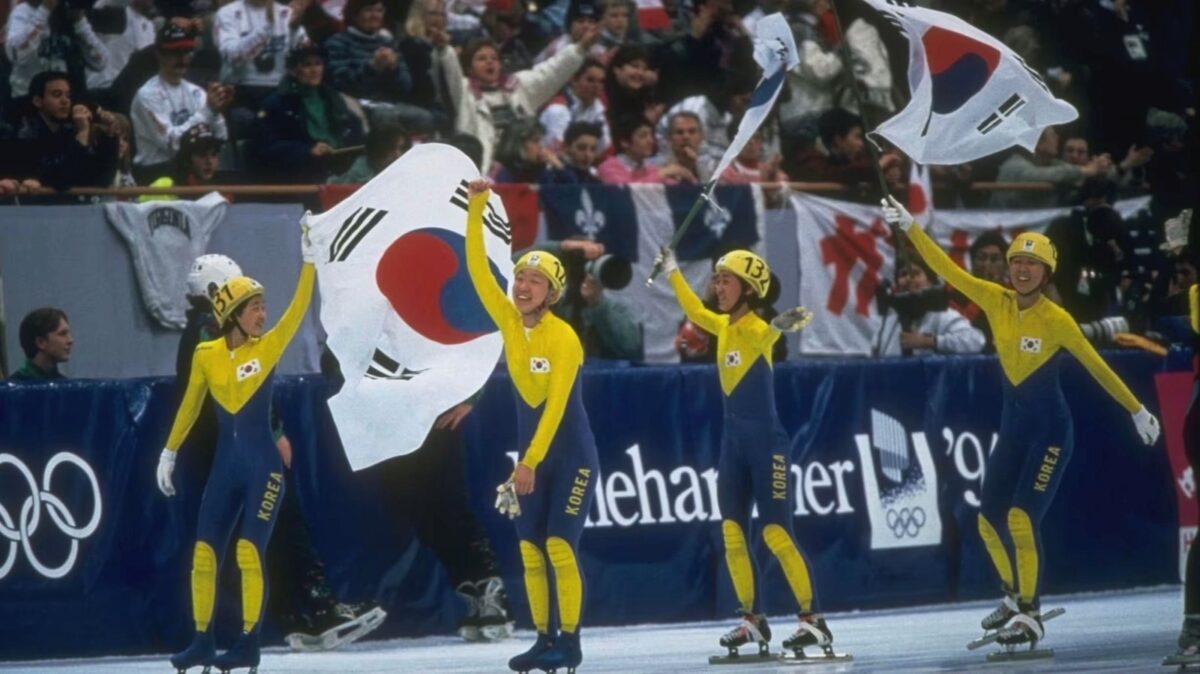
Bhaker first won bronze in the women’s 10m air pistol event. She then teamed up with Sarabjot Singh in the 10m air pistol mixed team event. The Indian pair defeated South Korea 16-10 in the bronze-medal match, giving Bhaker her second bronze of the Games.
The second medal was historic. Bhaker became the first Indian athlete to win two medals in a single Olympic Games since Independence, and the first Indian woman to achieve the feat. The Indian Olympic Association also records her as the first Indian female shooter to win two medals at the same Olympics.
Her achievement was particularly significant because of how quickly her Olympic story changed.
At Tokyo 2020, Bhaker’s campaign had ended in disappointment. At Paris 2024, she returned with greater experience and delivered under pressure on the biggest sporting stage.
At only 22, she also became the youngest athlete on this list to establish a two-medal Olympic legacy.
There is a major caveat when ranking Bhaker alongside athletes such as Chopra, Sushil and Sindhu: she has participated in only one Olympic edition so far. That means her long-term Olympic legacy is still being written.
But two medals at one Games, particularly in an individual discipline as demanding as shooting, are enough to make her one of India’s most successful Olympians already.
Olympic legacy: India’s first athlete since Independence to win two medals at a single Olympic Games.
5. Abhinav Bindra, Shooting
Olympic medals: 1
Gold: 1
Sport: Shooting
Abhinav Bindra has fewer Olympic medals than the other athletes on this list, but his single medal carries extraordinary historical weight. At the Beijing 2008 Olympics, Bindra produced a performance that changed Indian sporting history forever.
Competing in the men’s 10m air rifle event, he won the gold medal and became India’s first individual Olympic gold medallist. The Indian Olympic Association records Bindra’s victory as India’s first individual Olympic gold, while the International Olympic Committee continues to highlight the significance of his achievement.
Think about what that meant at the time.
India had a long and distinguished Olympic history, particularly in men’s hockey. But no Indian athlete had ever stood at the top of the podium in an individual event at the modern Olympic Games. Bindra changed that.
His gold also came during a memorable 2008 campaign in which India won three medals, one gold and two bronze. Sushil Kumar won the other individual bronze, while Vijender Singh became India’s first Olympic medallist in boxing. Bindra’s success carried influence well beyond his medal.
His victory helped create a new aspiration among Indian athletes: Olympic gold was no longer an impossible dream.
Thirteen years after Bindra’s historic victory, Neeraj Chopra would win India’s next individual Olympic gold in Tokyo. Chopra’s achievement meant that Bindra’s legacy was no longer standing alone, but the historical importance of the 2008 gold remains unmatched.
The Honourable Mentions
India’s Olympic history is filled with athletes who came extremely close to making this list or created historic milestones of their own.
Mary Kom won bronze in boxing at London 2012 and became India’s first woman boxer to win an Olympic medal. Saina Nehwal won badminton bronze at London 2012, becoming India’s first badminton Olympic medallist. Gagan Narang won bronze in shooting at the same Games, while Vijender Singh became India’s first Olympic boxing medallist with his Beijing 2008 bronze.
More recently, India’s Paris 2024 campaign produced six medals, including Neeraj Chopra’s silver and three bronze medals in shooting. These achievements show that India’s Olympic story is no longer dependent on one discipline or one generation of athletes.
When ranking India’s most successful Olympians, it is important to look beyond individual events and count team medals as well. For decades, Indian hockey dominated the Olympic stage, producing generations of players who returned home with gold medals. Unlike athletes competing in individual events, these hockey players won their medals as members of a team. Yet their individual contribution was often enormous, with some of them scoring crucial goals, playing in multiple Olympic Games and becoming central figures in India’s golden era.
Leslie Claudius, Hockey
Olympic medals: 4
Gold: 3 | Silver: 1
Olympic appearances: 4
Sport: Hockey
1948 – Gold
1952 – Gold
1956 – Gold
1960 – Silver
Claudius was part of India’s gold-medal winning hockey teams at the 1948 London, 1952 Helsinki and 1956 Melbourne Olympics. He then added a silver medal at the 1960 Rome Olympics, when India finished runners-up to Pakistan. Olympedia records him as one of only two Indian hockey players to win four Olympic medals, alongside Udham Singh.
Another extraordinary statistic from his career is that Claudius became the first hockey player to win 100 international caps, according to Olympedia.
Udham Singh, Hockey
Olympic medals: 4
Gold: 3 | Silver: 1
Olympic appearances: 4
Sport: Hockey
1952 – Gold
1956 – Gold
1960 – Silver
1964 – Gold
Udham Singh also won four Olympic medals, including three gold medals, making him one of the greatest players of India’s hockey golden era.
His Olympic medal journey began at the 1952 Helsinki Olympics, where India won gold. He then returned to the top of the podium at the 1956 Melbourne Olympics.
At the 1960 Rome Olympics, India won silver after losing to Pakistan in the final. Four years later, Singh returned to the Olympics and helped India win gold again at the 1964 Tokyo Games. Olympedia confirms his record of three golds and one silver.
But one statistic makes Singh’s Olympic career even more impressive.
At the 1956 Melbourne Olympics, he was the tournament’s leading scorer, finishing with 14 goals. That is an extraordinary individual achievement, especially considering that hockey was a team sport and the competition featured some of the world’s strongest hockey nations. His four Olympic medals came across a 12-year span.
Balbir Singh, Hockey
Olympic medals: 3
Gold: 3
Olympic appearances: 3
Sport: Hockey
1948 – Gold
1952 – Gold
1956 – Gold
Balbir Singh was part of India’s gold medal-winning teams at the 1948 London, 1952 Helsinki and 1956 Melbourne Olympics, giving him three Olympic gold medals. Olympedia lists all three of his Olympic appearances as gold-medal finishes.
But his most famous Olympic performance came in the 1952 final against the Netherlands. India won the gold-medal match 6-1, and Balbir Singh Sr. scored five goals.
That remains the record for the most goals scored by an individual player in an Olympic men’s hockey final. He also finished the 1952 Olympic tournament as the leading scorer with nine goals. He was also a pioneer off the field. In 1957, he became the first hockey player and the first sportsperson to receive the Padma Shri, according to Olympedia.
So, now the next question is no longer whether India can produce Olympic champions. It is: Who will be the next name to join this list?
Related posts:
 6 major heartbreaks for India at the Olympics
 Bajrang Punia faces suspension for skipping doping test, Paris Olympics dreams on hold
 Paris Olympics 2024: Everything related to Indian Contingents Matches, Events, Live Streaming Information you want to know in Detail
 India’s 2036 Olympics Bid: Ahmedabad Leads the Race to Host Summer Games