
How Wrestling Changed India’s Sporting Culture
Wrestling has played a transformative role in shaping India’s sporting culture, leaving a profound impact on the nation’s athletic landscape. This ancient sport, deeply rooted in Indian traditions and folklore, has not only produced world-class athletes but has also inspired a generation of sports enthusiasts.
Also Read: Leagues Cup 2023: Inter Miami Wins a Thriller, Messi scores 2 Goals
Here’s how wrestling changed India’s sporting culture:
1. Rich Cultural Heritage:
Wrestling, known as “kushti” or “pehlwani” in India, has been an integral part of the country’s cultural heritage for centuries. The sport’s historical significance and its depiction in ancient art and literature have contributed to its enduring popularity. As a result, wrestling continues to be celebrated in local festivals, rural competitions, and as a symbol of strength and valor.
2. Resurgence in the Modern Era:
With India gaining independence in 1947, wrestling saw a resurgence and institutional support. The establishment of wrestling academies, training centres, and competitions under various sports bodies has contributed to the growth and development of the sport across the country.
https://www.youtube.com/watch?v=m815nh-M-7E&pp=ygUXSW5kaWFuIHdyZXN0bGVycyBvbiBtYXQ%3D
3. International Recognition:
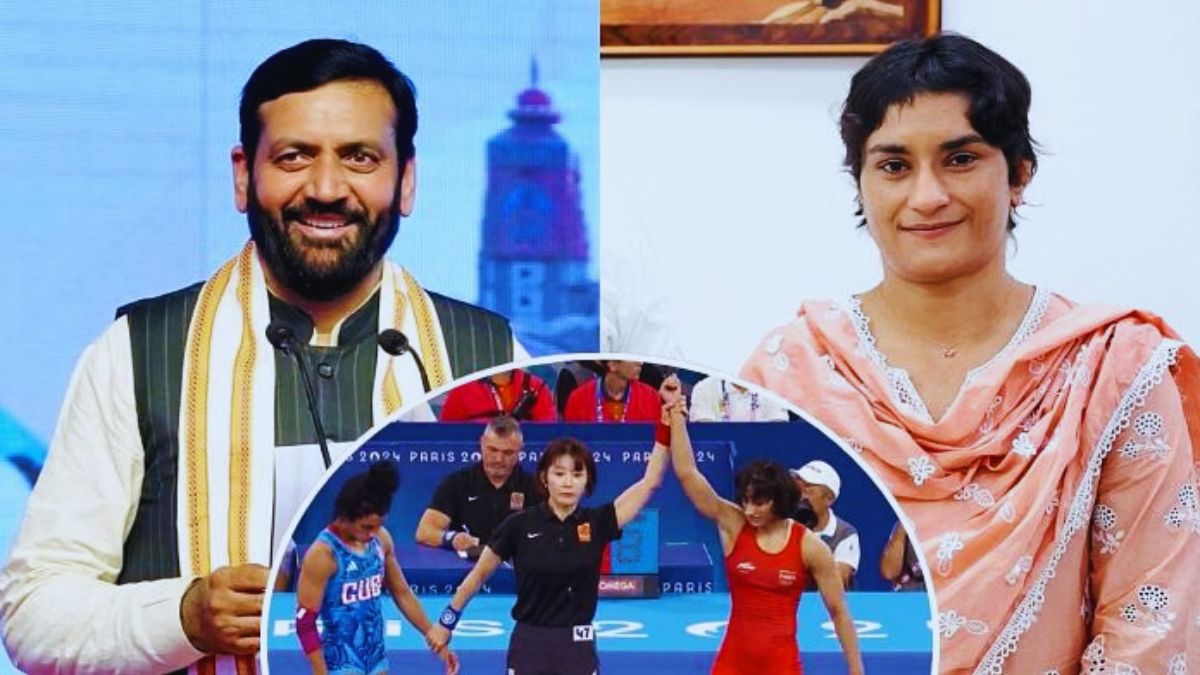
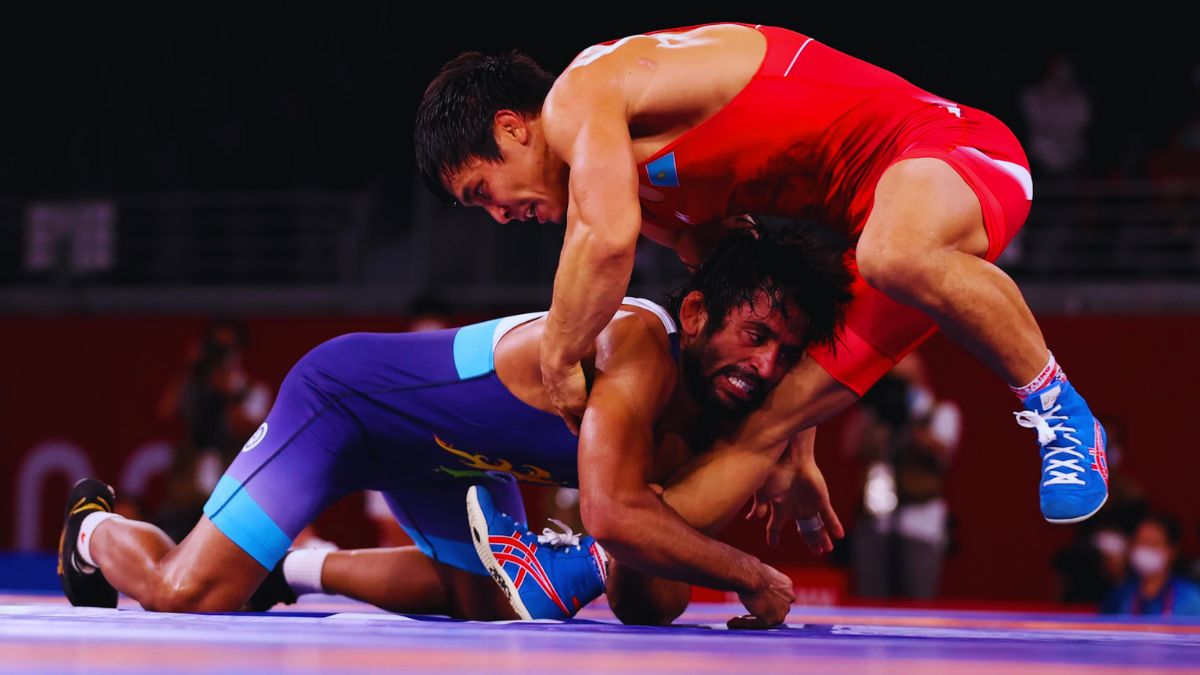
Indian wrestlers have achieved remarkable success on the international stage, bringing global recognition to the sport and the nation. Wrestlers like Sushil Kumar, Yogeshwar Dutt, and Bajrang Punia have won medals at prestigious events like the Olympics, World Championships, and Commonwealth Games, inspiring countless aspiring athletes to take up wrestling.
4. Encouragement of Grassroots Talent:
Wrestling has become a powerful vehicle for nurturing grassroots talent. With numerous local akharas (traditional wrestling training centers) spread throughout India, young wrestlers have access to training and mentorship, even in remote areas. This has given rise to a pool of talent that continuously contributes to India’s sporting culture.
5. Popularization through Media:
Media coverage, especially during major sporting events and tournaments, has amplified the popularity of wrestling in India. Televised matches, interviews, and feature stories on wrestlers have created national heroes and role models, encouraging more youngsters to pursue the sport professionally.
6. Shift in Perception:
Wrestling has challenged the long-standing dominance of cricket in India’s sporting landscape. While cricket remains immensely popular, wrestling’s success has led to a shift in perception, with other sports gaining visibility and support from the public and corporate sectors.
https://www.youtube.com/watch?v=EVkfftGM61s&pp=ygUXSW5kaWFuIHdyZXN0bGVycyBvbiBtYXQ%3D
7. Influence on Gender Representation:
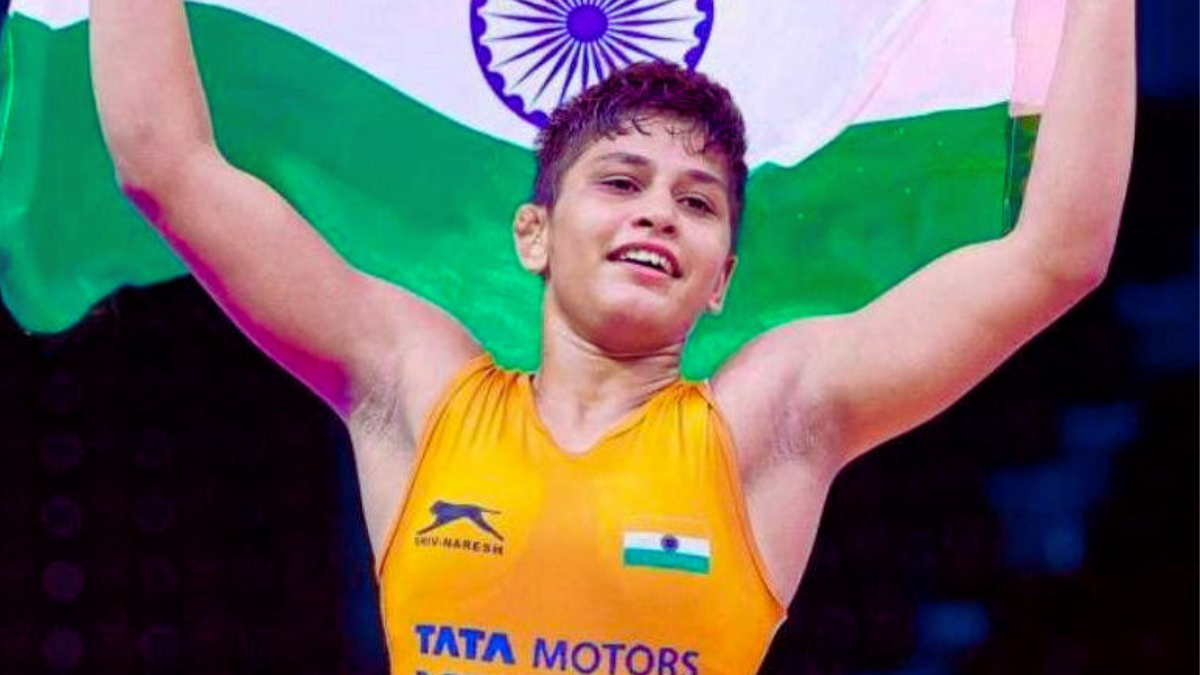
Traditionally a male-dominated sport, wrestling in India has also witnessed a positive change in gender representation. Female wrestlers like Geeta Phogat and Sakshi Malik have broken barriers and won accolades, inspiring a new generation of girls to take up the sport and pursue their sporting dreams.
Wrestling’s impact on India’s sporting culture has been nothing short of transformational. From its rich cultural heritage to international recognition, the sport has made significant strides in shaping the nation’s athletic landscape. Through the emergence of world-class athletes, encouragement of grassroots talent, and media popularization, wrestling continues to inspire and drive positive change in India’s sporting ecosystem.
As the sport grows from strength to strength, it will undoubtedly play a crucial role in nurturing future generations of athletes and elevating India’s position on the global sporting stage.
Related posts:
 Women’s Wrestling in huge turmoil amid Harassment allegations on WFI President
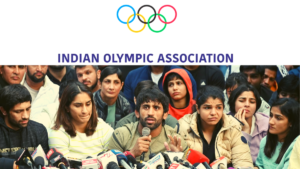 Wrestling Protest Live updates : Wrestlers called for an emergency meeting by the Indian Olympic Association
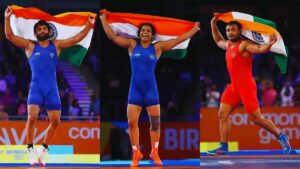 India’s Medal-Winning Phenoms in Asian Games Wrestling
 India’s Greco-Roman hopes for the Paris Olympics 2024 rest on Sunil Kumar