
Why 3 Biggest Problem Pickleball Ecosystem in India is facing?
The 3 Biggest Problems Pickleball Is Facing in India Today
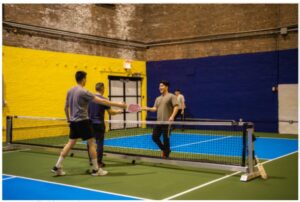
Pickleball’s rise in India has been nothing short of remarkable. In a short span of time, the sport has found its way into gated communities, schools, private academies, and commercial sports complexes across metros and emerging Tier-2 cities. Its easy-to-learn nature, compact court size, and appeal across age groups have made it an instant favourite among recreational players and entrepreneurs alike.
However, beneath this rapid growth lies a set of fundamental problems that threaten the long-term sustainability of pickleball in India. While participation numbers appear healthy on the surface, the ecosystem supporting the sport remains fragile. Many pickleball facilities struggle to retain players, coaches lack structured pathways, and courts deteriorate far quicker than expected.
At the core of these issues are three major problems: a casual, unstructured approach to coaching and sports science; the use of improper court materials; and unsustainable 24×7 operational models that ignore maintenance needs.

1. A Casual Approach With No Structural Coaching or Sports Science:
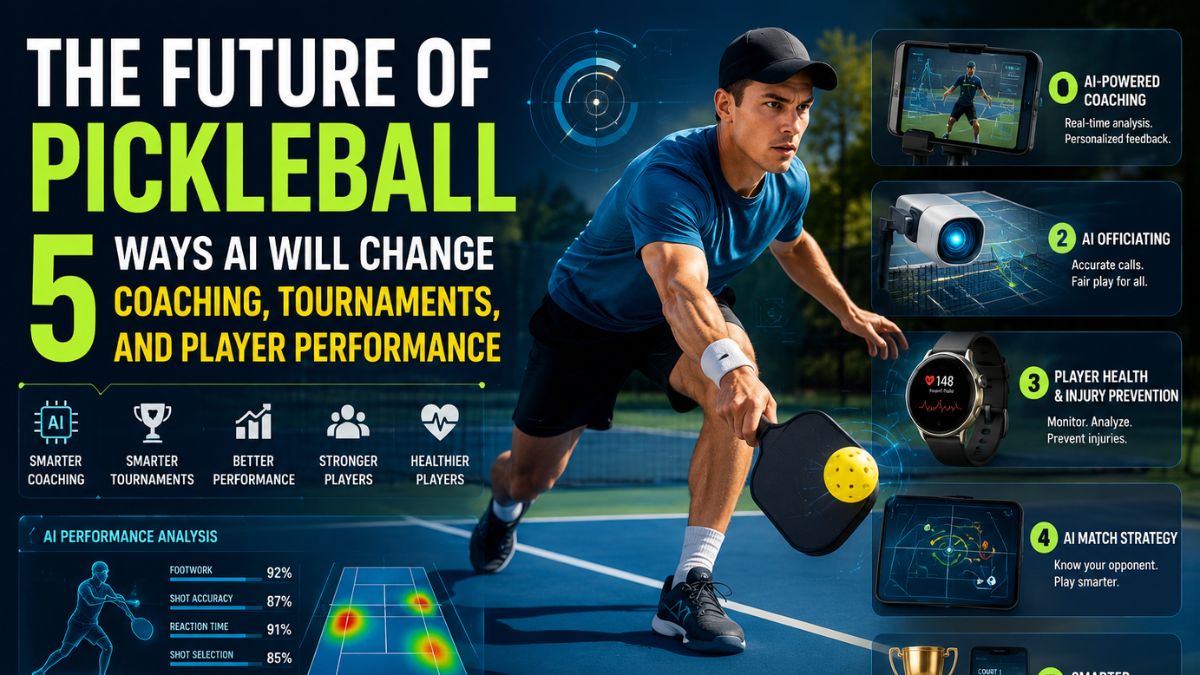
One of the biggest challenges pickleball faces in India is the absence of a structured coaching and development framework. At present, most pickleball setups operate informally, with little emphasis on long-term athlete development, scientific training methods, or standardized coaching certification.
In many facilities, coaching is handled by former players from other racket sports or enthusiastic early adopters of pickleball. While passion is important, it cannot replace structured learning. There is limited understanding of biomechanics, injury prevention, movement patterns, recovery protocols, or performance analytics specific to pickleball.
As a result, training sessions often become casual hit-around sessions rather than purposeful skill development programs. Beginners plateau quickly, intermediate players lack progression pathways, and serious athletes have no clear route toward competitive excellence.
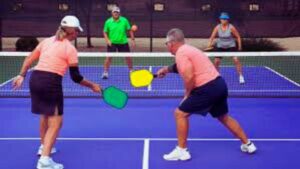
The absence of sports science also increases the risk of overuse injuries, particularly among older players who form a significant portion of pickleball’s user base in India. Without proper warm-ups, load management, and recovery protocols, players experience fatigue, joint pain, and burnout—leading many to drop out altogether.
For pickleball to mature as a sport, India needs structured coaching curricula, certification systems, and integration of sports science principles. Without this foundation, growth will remain shallow and short-lived.
2. Improper Court Materials That Deteriorate Over Time:
Another major problem plaguing pickleball in India is the widespread use of improper court materials. In an attempt to reduce costs or speed up construction, many operators compromise on surface quality, opting for materials that are not suitable for long-term pickleball play.
A professional pickleball court should ideally be built on a solid concrete or asphalt base, topped with acrylic-based surface coatings specifically designed for traction, durability, and consistent ball bounce. However, in India, many courts are constructed using tiles, thin cement layers, synthetic mats, or non-acrylic paints.
These materials may look acceptable initially but begin to degrade rapidly—especially under Indian weather conditions. High humidity, monsoon rains, and temperature fluctuations cause non-acrylic surfaces to absorb moisture, leading to damp patches, surface peeling, and loss of grip.
Once a court starts retaining moisture, playability drops significantly. Damp surfaces affect ball bounce, footwork, and safety. Players lose confidence, injuries increase, and overall experience deteriorates.
Over time, poor surface quality becomes a major deterrent for regular users. Even recreational players are unwilling to pay for substandard conditions. As bookings decline, revenue falls, and operators are forced to either invest heavily in repairs or shut down the facility altogether.
Using the right materials is not an optional upgrade—it is a fundamental requirement for sustainability.
3. Running Operations 24×7 Without Maintenance Windows:
The third major issue facing pickleball facilities in India is the trend of operating courts 24 hours a day, 7 days a week, with little to no downtime for maintenance.
From a business perspective, this model appears attractive. More operational hours mean more bookings and faster recovery of investment. In reality, however, continuous usage accelerates wear and tear, especially when combined with poor materials and high humidity.
Courts that are in constant use do not get sufficient time to dry, particularly during monsoons. Sweat, moisture, dust, and debris accumulate on the surface faster than they can be cleaned. Line markings fade, acrylic layers thin out, and micro-cracks begin to form.
Maintenance is often postponed because peak booking hours generate revenue. Unfortunately, delaying upkeep only worsens the problem. Minor surface issues evolve into structural damage, requiring expensive repairs or complete resurfacing.
As court quality declines, players quietly move on to better facilities. Tournament organizers and leagues avoid visually poor venues. Eventually, footfall reduces, revenue dries up, and the very 24×7 model that was meant to maximize profits becomes the reason for financial loss.
Sustainable operations require planned downtime, routine inspections, and preventive maintenance—not continuous exploitation.
The Road Ahead for Pickleball in India
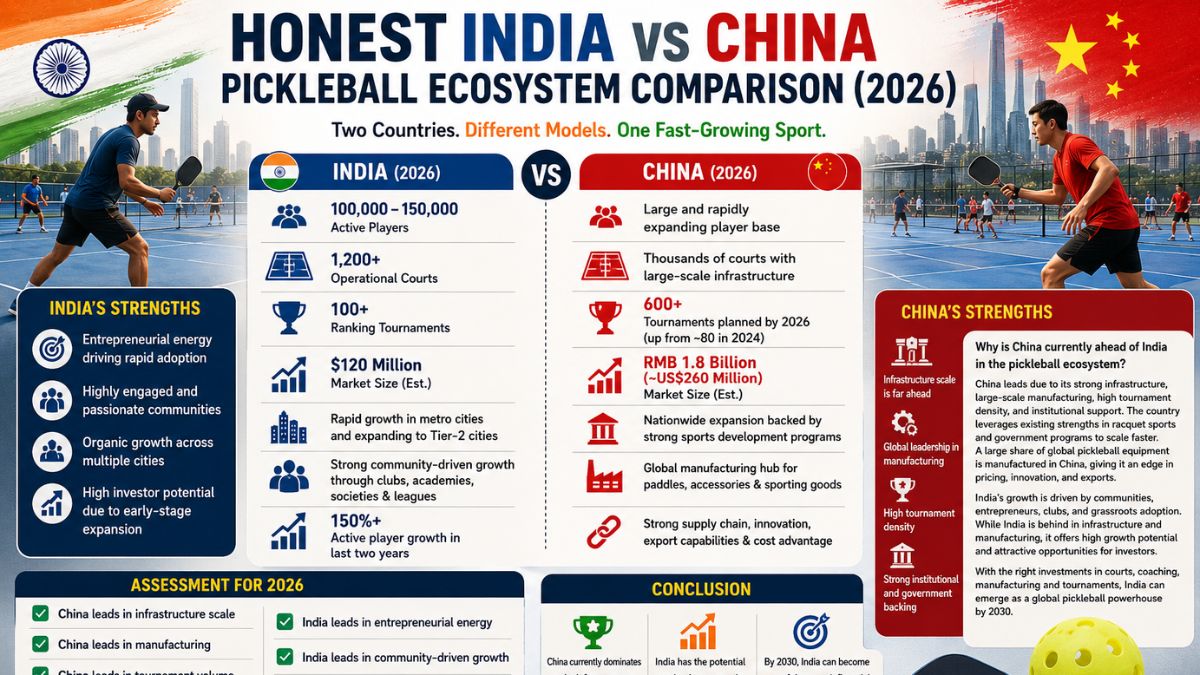
The problems facing pickleball in India are not rooted in lack of interest or potential. On the contrary, demand continues to grow across age groups and regions. The real challenge lies in how the sport is being developed and managed.
Pickleball cannot thrive on a casual, short-term mindset. It requires professional coaching systems, sports science integration, high-quality infrastructure, and disciplined operational practices. Facilities that invest in quality over speed will not only survive but set benchmarks for the sport’s future.
If India aims to build a sustainable pickleball ecosystem, the focus must shift from quick returns to long-term vision. Only then can pickleball evolve from a recreational trend into a structured, respected sport.
The 3 Biggest Problems Pickleball Is Facing in India Today – Vertical Table
| Section | Details |
|---|---|
| Sport Overview | Pickleball has grown rapidly across India, spreading into gated communities, schools, private academies, and commercial sports complexes in metros and Tier-2 cities. Its low learning curve, compact court size, and appeal across age groups have made it popular among recreational players and entrepreneurs. |
| Underlying Reality | Despite visible growth, the pickleball ecosystem in India remains fragile. Many facilities struggle to retain players, coaching pathways are unclear, and courts deteriorate faster than expected, threatening long-term sustainability. |
| Core Problems Identified | The sport currently suffers due to three major issues: a casual and unstructured approach to coaching and sports science, improper court materials, and unsustainable 24×7 operational models with no maintenance focus. |
Problem 1: Casual Approach With No Structural Coaching or Sports Science
| Aspect | Explanation |
|---|---|
| Coaching Framework | Most pickleball setups operate informally, with little emphasis on structured athlete development, standardized coaching certifications, or scientific training methods. |
| Coaching Background | Coaching is often handled by former players from other racket sports or enthusiastic early adopters, relying more on passion than structured knowledge. |
| Technical Gaps | Limited understanding of biomechanics, injury prevention, movement efficiency, recovery protocols, and pickleball-specific performance analytics. |
| Training Quality | Sessions often turn into casual hit-around play rather than focused skill-development programs. |
| Player Progression | Beginners plateau quickly, intermediate players lack growth pathways, and serious athletes have no route toward competitive excellence. |
| Injury Risk | Absence of sports science increases overuse injuries, especially among older players, leading to fatigue, joint pain, burnout, and dropouts. |
| Long-Term Impact | Without structured coaching curricula and sports science integration, pickleball’s growth remains shallow and short-lived. |
Problem 2: Improper Court Materials That Deteriorate Over Time
| Aspect | Explanation |
|---|---|
| Cost-Cutting Practices | To reduce construction costs or speed up development, many operators compromise on surface quality. |
| Ideal Court Standard | A professional pickleball court requires a solid concrete or asphalt base with acrylic-based surface coatings designed for traction, durability, and consistent ball bounce. |
| Common Reality in India | Many courts are built using tiles, thin cement layers, synthetic mats, or non-acrylic paints. |
| Weather Impact | Indian conditions such as high humidity, monsoons, and temperature fluctuations cause non-acrylic surfaces to absorb moisture. |
| Surface Degradation | Damp patches, peeling layers, loss of grip, and inconsistent bounce emerge over time. |
| Player Experience | Playability declines, safety risks increase, confidence drops, and injuries become more common. |
| Business Outcome | Bookings decline, revenue falls, and operators face expensive repairs or complete shutdowns. |
| Key Insight | Using proper materials is not an upgrade—it is essential for long-term sustainability. |
Problem 3: Running Operations 24×7 Without Maintenance Windows
| Aspect | Explanation |
|---|---|
| Operational Model | Many pickleball facilities operate 24 hours a day, 7 days a week, with no planned downtime. |
| Business Assumption | More operational hours are assumed to mean higher bookings and faster return on investment. |
| Actual Outcome | Continuous usage accelerates wear and tear, especially when combined with humidity and poor materials. |
| Surface Conditions | Courts do not get enough time to dry, particularly during monsoons; sweat, moisture, dust, and debris accumulate. |
| Visible Damage | Line markings fade, acrylic layers thin out, and micro-cracks develop. |
| Maintenance Delay | Upkeep is postponed due to peak booking hours, allowing minor issues to become major structural problems. |
| Revenue Impact | Players quietly move to better facilities, tournaments avoid poor venues, footfall reduces, and revenue dries up. |
| Core Lesson | Sustainable operations require scheduled downtime, routine inspections, and preventive maintenance. |
The Road Ahead for Pickleball in India
| Aspect | Explanation |
|---|---|
| Demand Reality | Pickleball’s challenges are not due to lack of interest; demand continues to grow across regions and age groups. |
| Real Challenge | The issue lies in how the sport is being developed, managed, and operated. |
| What Pickleball Needs | Professional coaching systems, sports science integration, high-quality infrastructure, and disciplined operational practices. |
| Future Direction | Facilities that prioritize quality over speed will survive and set benchmarks for the sport. |
| Long-Term Vision | For pickleball to evolve from a recreational trend into a structured and respected sport, India must shift from quick returns to long-term planning. |