
When Do Indian Cricketers Hang Up Their Boots?
In India, there’s no set age for cricketers to retire. Unlike some other sports, cricket allows players to continue as long as they perform well. A cricketer’s retirement depends on several things, including their fitness, how well they’re playing, and what they personally want. Some have played into their late 30s and even early 40s, while others stop playing sooner because of injuries, a dip in form, or younger players taking their place.
No Hard and Fast Rule for Retirement
Indian cricket doesn’t have a mandatory retirement age. Players decide to retire based on their physical condition, how consistently they perform, and what the team needs. For example, Sachin Tendulkar retired at 40, while MS Dhoni retired from Test cricket at 33 but kept playing limited-overs cricket for several more years.
Several things can influence a player’s retirement:
- Their performance might decline.
- They could have fitness issues or injuries.
- Younger, talented players might emerge.
- They might experience mental and physical tiredness.
Unlike sports like football, where players often retire in their mid-30s, cricket offers more flexibility. This means some players can continue their careers into their late 30s or early 40s if they stay fit and perform well.
Cricketers Who Played Late into Their Careers
Many famous Indian cricketers have retired in their late 30s or early 40s. Here are a few examples:
- Sachin Tendulkar – Retired at 40 (2013)
- Rahul Dravid – Retired at 39 (2012)
- VVS Laxman – Retired at 37 (2012)
- Anil Kumble – Retired at 38 (2008)
- Kapil Dev – Retired at 35 (1994)
These players continued playing because they stayed fit and maintained their skills. However, some cricketers choose to retire earlier if they feel they aren’t playing at their peak.
Early Retirements in Indian Cricket
While some players play into their 40s, others retire earlier due to injuries or a drop in form. Here are some examples of early retirements in Indian cricket:
- MS Dhoni – Retired from Tests at 33, from all formats at 39
- Virender Sehwag – Retired at 37
- Gautam Gambhir – Retired at 37
- Irfan Pathan – Retired at 35
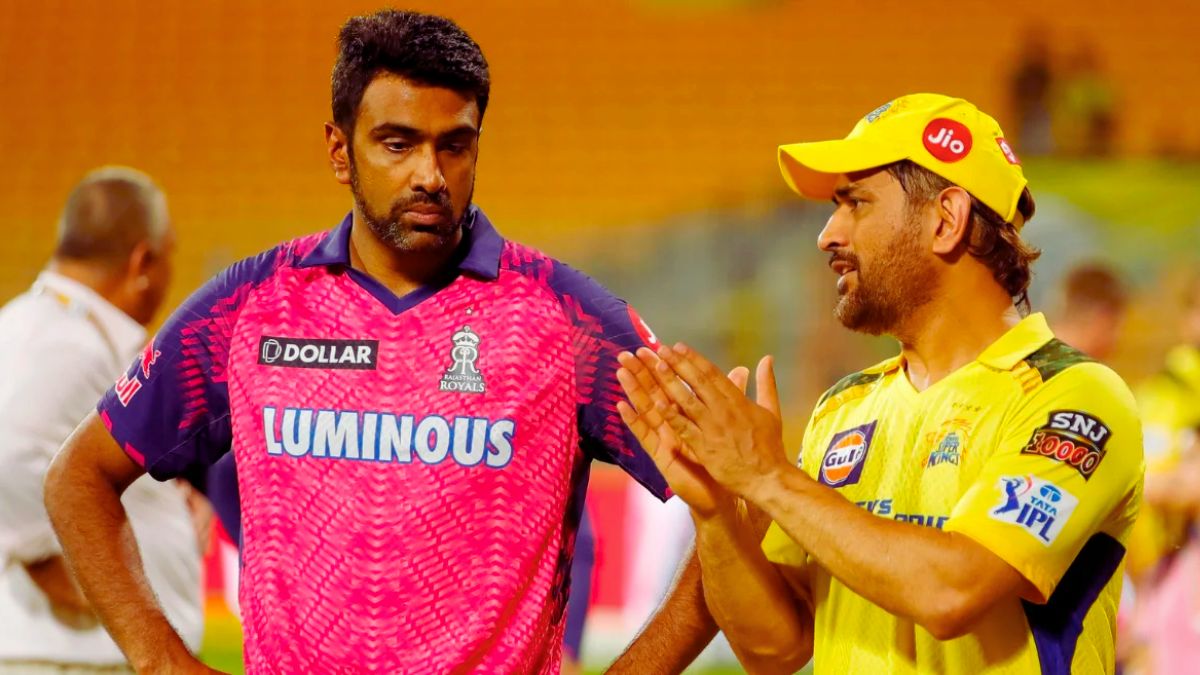
Some cricketers retire from one format but continue playing in others. For example, Dhoni stopped playing Test cricket but continued playing ODIs and T20s until 2019. This allows players to focus on the formats where they feel they can perform best.
Fitness Plays a Big Role in Retirement Decisions
With improvements in sports science and fitness training, modern cricketers focus more on staying physically fit to prolong their careers. Players now have:
- Better diets and recovery programs
- Advanced fitness training
- Specialized ways to manage injuries
This has helped players extend their careers beyond 35 years, which was uncommon in the past. However, if a player struggles with fitness or has repeated injuries, they might choose to retire.
There is no fixed retirement age for Indian cricketers. Some players continue playing into their late 30s or early 40s, while others retire earlier due to injuries or increased competition. Retirement decisions depend on fitness, performance, and what a player personally wants. With better training methods, cricketers can now extend their careers longer than they used to. Ultimately, the decision to retire rests with the players, and the BCCI respects their choices.