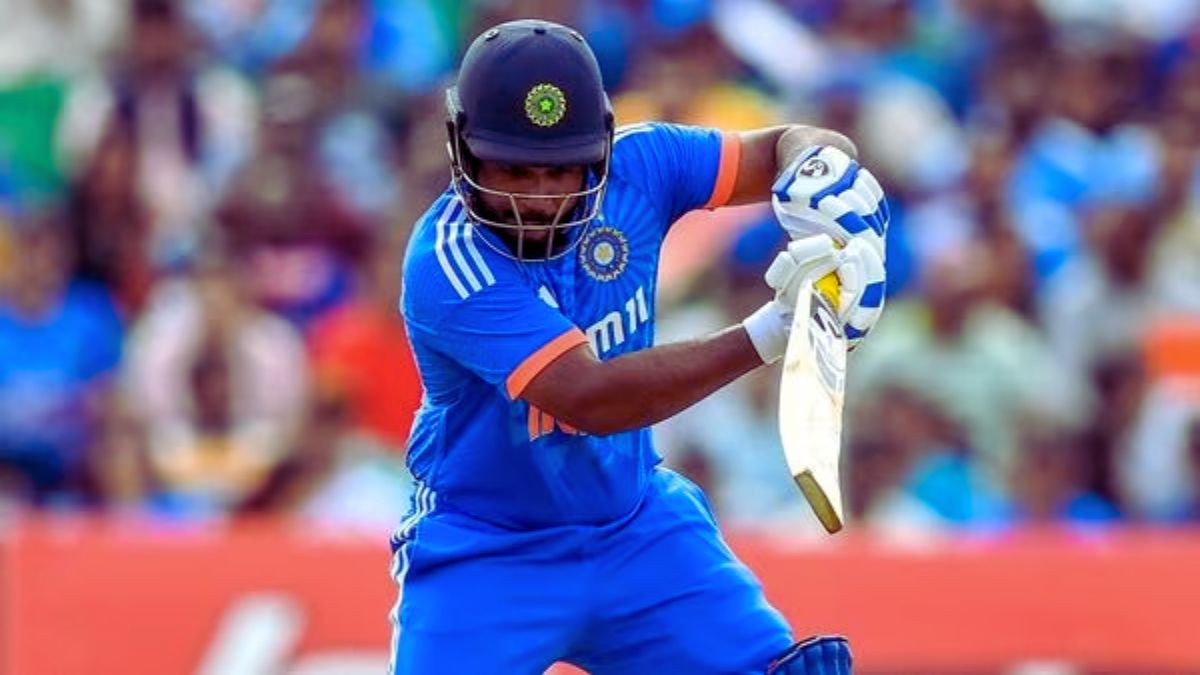


Top 5 most successful teams in the history of the T20 World Cup
The marquee tournament is just upon us and the cricket fans have started speculating as to who will win the tournament, who will score the most runs, which bowler will take the most wickets, and a lot more. Well, your job is to speculate and our job is to bring all the stats to you which might help you in making your predictions. Here we will have a look at the top 5 most successful teams in the history of the ICC Men’s T20 World Cup (in terms of match wins).
| S. No. | Team | Matches Won | Win % | Titles |
| 1 | Sri Lanka | 31 | 61.76 | 1 |
| 2 | Pakistan | 28 | 60.63 | 1 |
| 3 | India | 27 | 63.95 | 1 |
| 4 | Australia | 25 | 62.50 | 1 |
| 5 | England | 24 | 55.81 | 2 |
Sri Lanka
The Sri Lankan national cricket team is the most successful team in the history of the ICC Men’s T20 World Cup. Out of the 51 matches that they have played, they have won 31 and lost only 19. They have also won the tournament once, in 2014.
Pakistan
The second-most successful team in terms of matches won is Pakistan. The Pakistan team has played 47 matches and won 28, losing just 18. They have been a dominant force in the history of the T20 World Cup, winning the whole thing once in 2009.
Also Read: IPL 2024 Playoffs: KKR, SRH, RR & RCB who deserves to win the Title?
India
The Indian cricket team, which has played the final of the tournament two times and won once, is another successful team in the tournament’s history. They have won 27 matches out of 44 and have the highest win percentage of 63.95% among all the teams that have played in the T20 World Cup.
Australia
The next best team in the history of the ICC Men’s T20 World Cup is Australia. Out of only 40 matches, they have managed to win 25, with a win percentage of 62.50%. Australia won the tournament in 2021.
England
England is one of the only two teams that have won the ICC Men’s T20 World Cup twice in its history and is also a successful team in terms of the number of matches won. They have won 24 out of 44 matches yet.
Related posts:
 Which are the most dangerous batters for India at the upcoming T20 World Cup 2024?
 Top 5 India batters to watch out for in the upcoming T20 World Cup 2024
 Umran Malik clicks 155 kmph against Sri Lanka : Becomes the fastest bowler in India
 Highest run-scorers in each edition of the T20 World Cup over the years