

Reasons why India is getting more medals in the Paris Paralympics than the Olympics
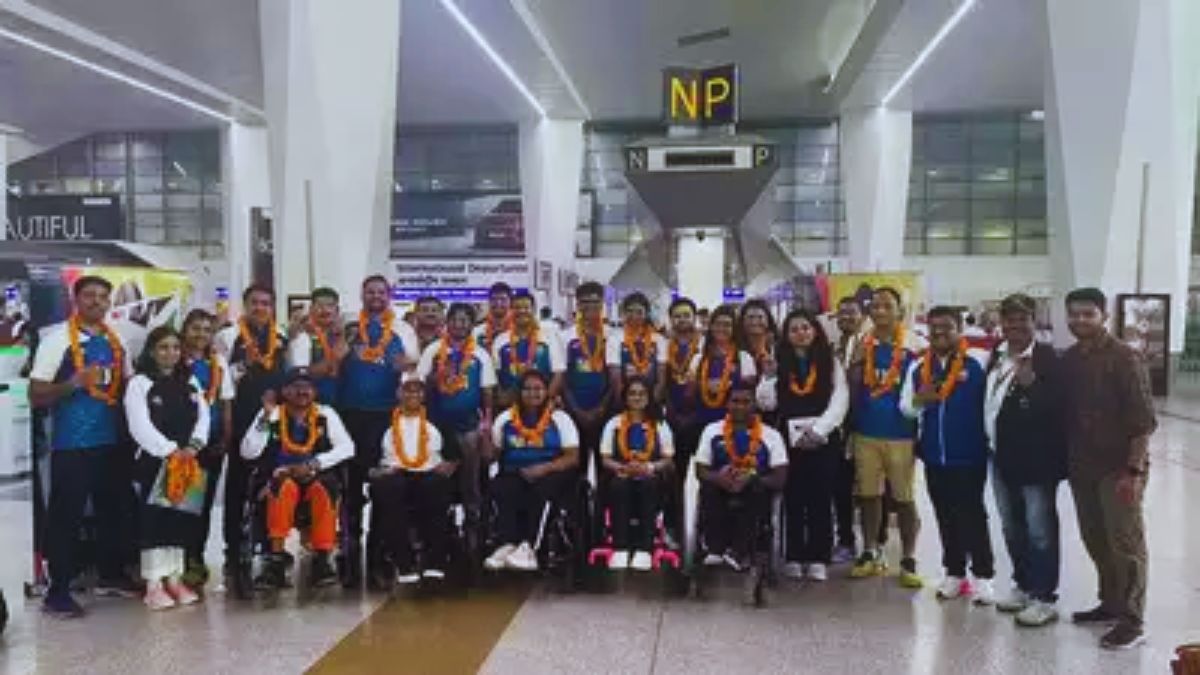
India has rocked the Paris Paralympics by winning more than 25 medals, leaving behind the best figure of 19 medals of the Tokyo Paralympics 2020. This number of medals in the Paris Paralympics is also amazing because India had only one medal in the London Paralympics (2012), followed by 4 medals in Rio 2016.
On the other hand, when it comes to the Olympics, India has never progressed beyond 7 medals (Tokyo-2020) in any one season of the Games, while this time the medals rained in the Paris Paralympics. The Paralympics is a competition for athletes with physical, intellectual or vision defects.
Also Read: This team was all out for just 10 runs, Singapore ended the match in just 5 balls
The major reason for the strong jump in the medal in the Paralympics is the increasing number of Kh-mars involved. Talking about the last few Paralympics, 19 players from India participated in Rio and won 4 medals including 2 gold medals. After this, 54 Para Athletes of India went on to play in the Tokyo Paralympics. In this, India won 19 medals including 5 gold medals. And now the number of athletes in the Paris Paralympics has increased to 84. Obviously, if the player increases, the medal also increases. India has won 27 medals so far, including 6 gold medals.
India participated in 12 games in Paris, while Indian players landed in 9 games in Tokyo. India participated in three new sports in Paris – para-cycling, para-rowing and blind judo.
India is definitely on the right track, but there is still much to be done. India does not have participants in about half of the events. Only one participant from India participated in the Paris Paralympic swimming.
It is clear that more medals have started coming in the Paralympics than in the Olympics. It is also true that the Olympics cannot be compared to the Paralympics. Yet when it comes to statistics, the Paralympics attract more medal attention than the Olympics.
View this post on Instagram
Major reasons for better performance in the Paris Paralympics –
1. More attention and investment on para-sports
In recent years, the Government of India and the Paralympic Committee have taken solid steps to identify, train and support para-athletes. This includes increased funding, coaching resources and infrastructure, particularly for para-sports. Rs 74 crore was allocated for the Paris Paralympics, while Rs 26 crore was for the Tokyo Paralympics cycle.
If seen at the weave level, then Play India Para Games started only six years ago. The Play India Campaign also helped SAI (Indian Sports Pradhan) and PCI (Paralympic Committee of India) improve. Previously Para Games were seen as NGOs, but is now considered a hardcore sport.
India’s interference has also increased in the para games. It was the hallmark of the International Paralympic World Cup, JISKA was held in Delhi this year. It was praised throughout the world, the PCI (Paralympic Committee of India) event was also rated as the best by the IPC (International Paralympic Committee).
2. Internationally less competition
The group of big players participating in the Paralympics is much smaller than the Olympics. Especially in events where India excels, such as para-athletics. This makes it relatively easy for Indian athletes to qualify and win medals. Sports participation in Paralympics has increased since the intervention of SAI, Ministry of Sports. Trainer and support staff have also increased.
3. Classification system
The Paralympic classification system aims to ensure fair competition by bringing athletes with the same level of ability into a group. This can benefit Indian athletes, who have all kinds of rare problems.
At the same time, the Paralympic Commission of India (PCI) has developed a proper chart of players to decide how to use them. There is an emphasis on medical classification, followed by a license to play. Only then is the award taken as to which category the b-player will play. Medical grouping takes place.
4. The passion and tenacity of para-athletes
Many Indian Paralympic athletes have overcome significant physical, economic and social challenges to get to the top of their sport. This dedication and determination are leading to outstanding performance. One can understand this from an example, India’s first Women Paralympic medalist Deepa Malik won the medal in 2016 at the age of 46. Her victory was then called magic. But it has to be understood that with the hard work and dedication of Deepa, and also people like the conditioning coach, trainer, and support staff were made available. Services like transport were also made accessible to them.
5. Better Sports Science and Coaching
India’s Paralympic program has benefited from increased investment in sports medicine, training techniques and experienced coaching – helping para-athletes maximize their potential. The players were provided with the rules of NADA (National Anti-Doping Agency) in simple language. Its course capsule was made in Tokyo.
The results of the effort being made over the years for betterment in sports have started coming to the fore. This is the result of the increasing journey of the medals of India in the Paralympics. Before leaving for Paris, it was believed that this time Indian para players would not bring less than 25 medals. Eventually, this goal was also met. However, due to these enthusiastic figures, the Olympics cannot be compared to the Paralympics, where India’s number of medals has never been in double digits. Yes, our Olympic players can certainly take inspiration from the conceptual performance of Para-Athletes, who are shattered before reaching the medal under pressure.
Medal for India at Paris Paralympics 2024
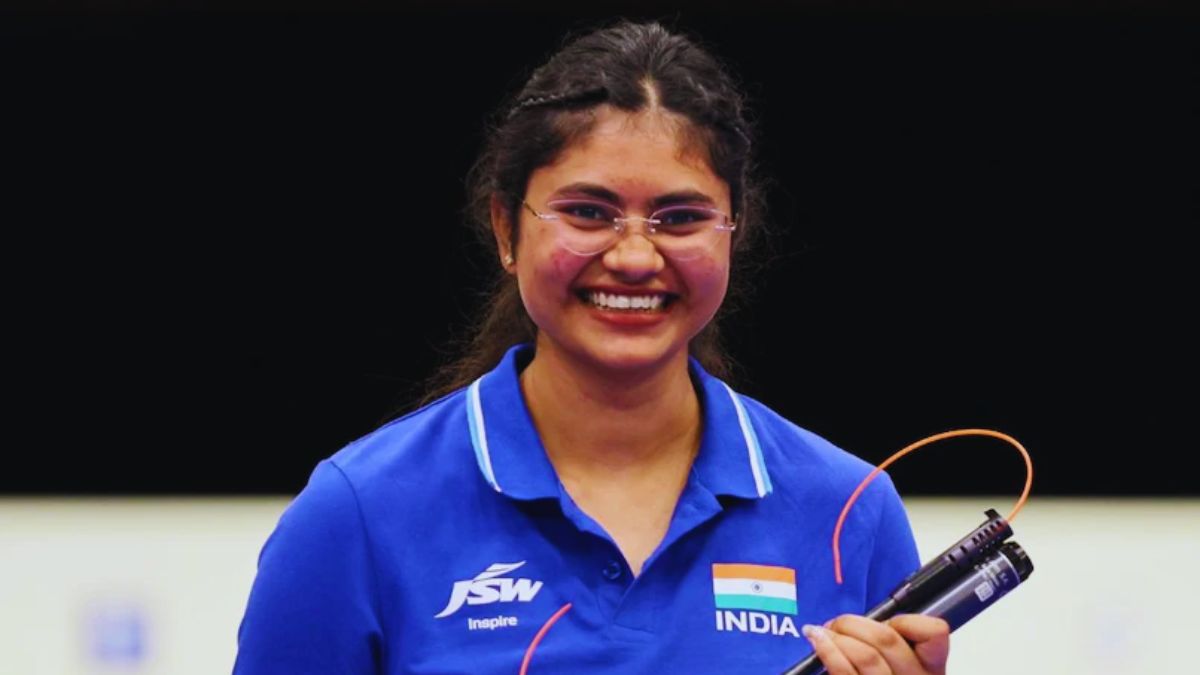
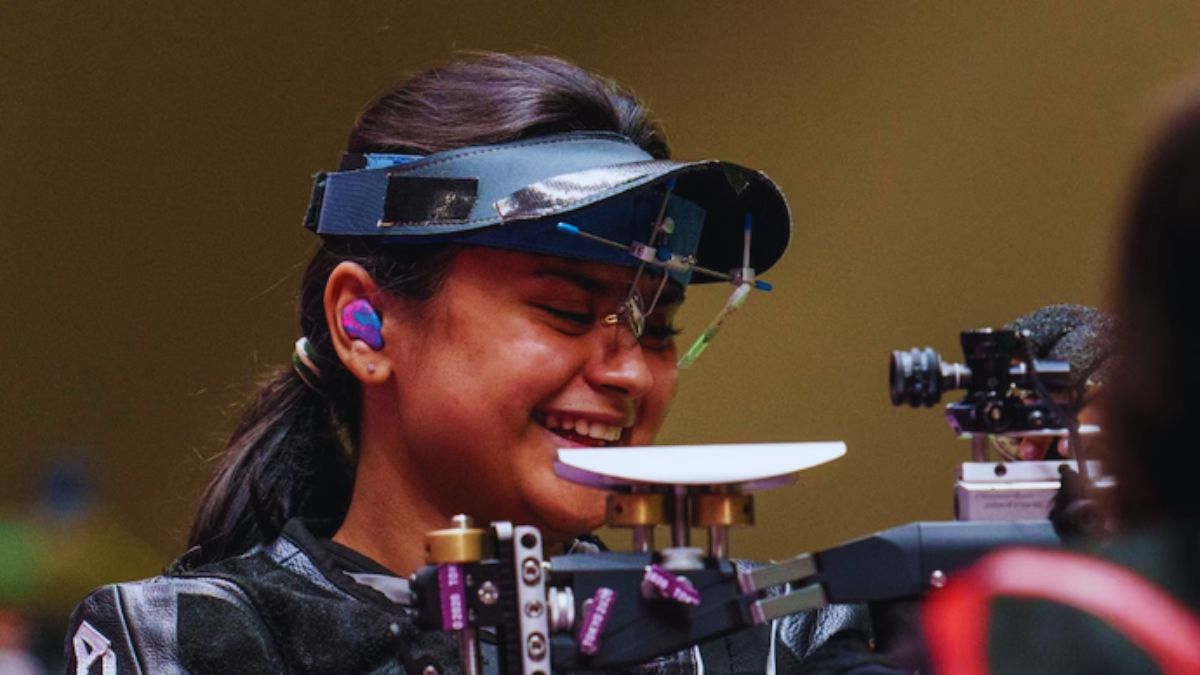
- Avni Bharara (Shooting) – Gold Medal, Women’s 10 Meter Air Rifle (SH1)
- Mona Agarwal (Shooting) – Bronze Medal, Women’s 10 Meter Air Rifle (SH1)
- Preity Pal (Athletics) – Bronze Medal, Women’s 100m Race (T35)
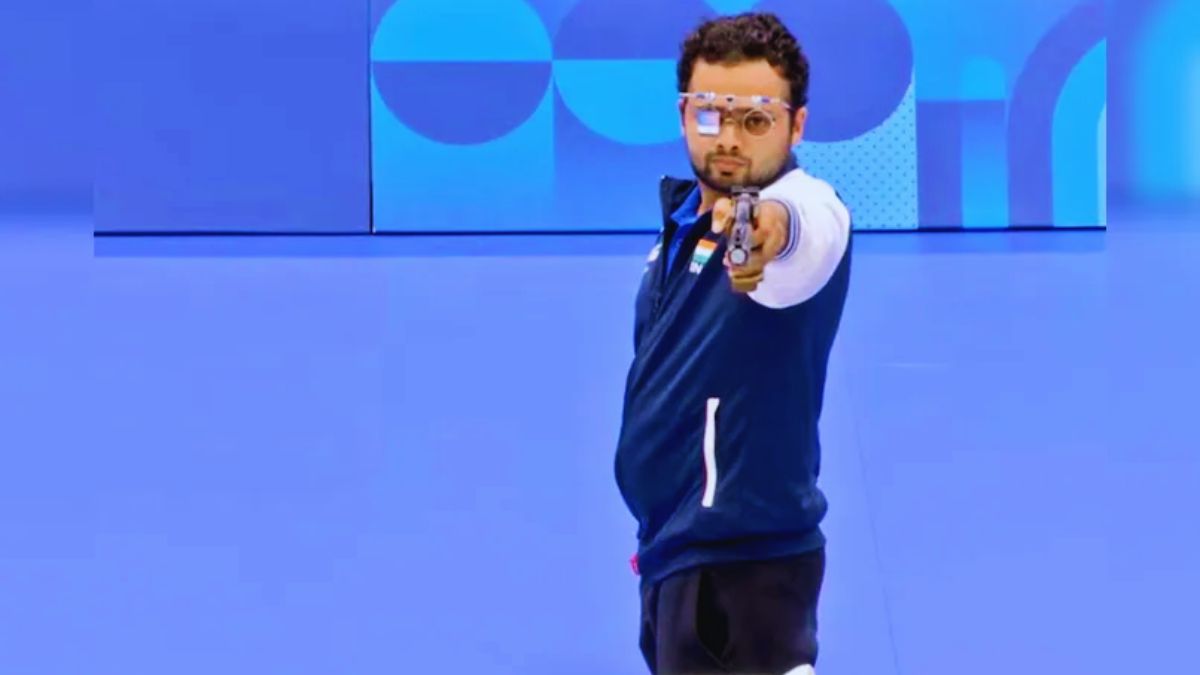
- Manish Narwal (Shooting) – Silver Medal, Men’s 10 Meter Air Pistol (SH1)
- Rubina Francis (shooting) – Bronze Medal, Women’s 10m Air Pistol (SH1)
- Preity Pal (Athletics) – Bronze Medal, Women’s 200m Race (T35)
- Nishad Kumar (Athletics) – Silver Medal, Men’s High Jump (T47)
- Yogesh Kathunia (Athletics) – Silver Medal, Men’s Discus Throw (F56)
- Nitesh Kumar (Badminton) – Gold Medal, Men’s Singles (SL3)
- Manisha Ramdas (Badminton) – Bronze Medal, Women’s Singles (SU5)
- Thulasimathi Murugesan (Badminton) – Silver Medal, Women’s Singles (SU5)
- Suhas El Yathiraj (Badminton) – Silver Medal, Men’s Singles (SL4)
- Sheetal Devi-Rakesh Kumar (Archery) – Bronze Medal, Mixed Compound Open
- Sumit Antil (Athletics) – Gold Medal, Men’s Javelin Throw (F64 Sq)
- Nitya Sri Sivan (Badminton) – Bronze Medal, Women’s Singles (SH6)
- Deep Lifty Life (Athletics) – Bronz Medal, Woomens 400m (T20)
- Mariappan Thangavelu (Athletics) – Bronze Medal, Men’s High Jump (T63)
- Sharad Kumar (Athletics) – Silver Medal, Men’s High Jump (T63)
- Ajit Singh (Athletics) – S’ilver Medal, Men’s Javelin Throw (F46)
- Sundar Singh Gurjar (Athletics) – Bronze Medal, Men’s Javelin Throw (F46)
- Sachin Sarajerao Khilari (Athletics) – Silver Medal, Men’s Shot Put (F46)
- Harwinder Singh (Archery) – Gold Medal, Men’s Individual Recurve Open
- Dharmabir (Athletics) – Gold Medal, Men’s Club Throw (F51)
- Pranav Surma (Athletics) – Silver Medal, Men’s Club Throw (F51)
- Kapil Parmar (Judo) – Bronze Medal, Men’s 60 kg (J1)
- Praveen Kumar (Athletics) – Gold Medal, Men’s High Jump (T44)
- Hokato Hotoje Sema (Athletics Male) – Bronze Medal, Shot Put (F57)
Related posts:
 India’s full schedule at the Paris Paralympics and historic opening ceremony
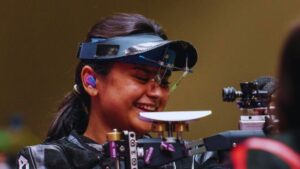 Paris Paralympics 2024: For the first time 2 Indians finished on the podium, Avani Lekhara won gold
 Paris Paralympics 2024: Manish Narwal Wins Silver in 10m Air Pistol SH1
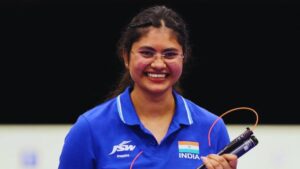 Paris Paralympics 2024: Rubina Francis won a bronze medal