
How India Can Become a Sporting Superpower Like USA & Australia: 5 Proven Strategies
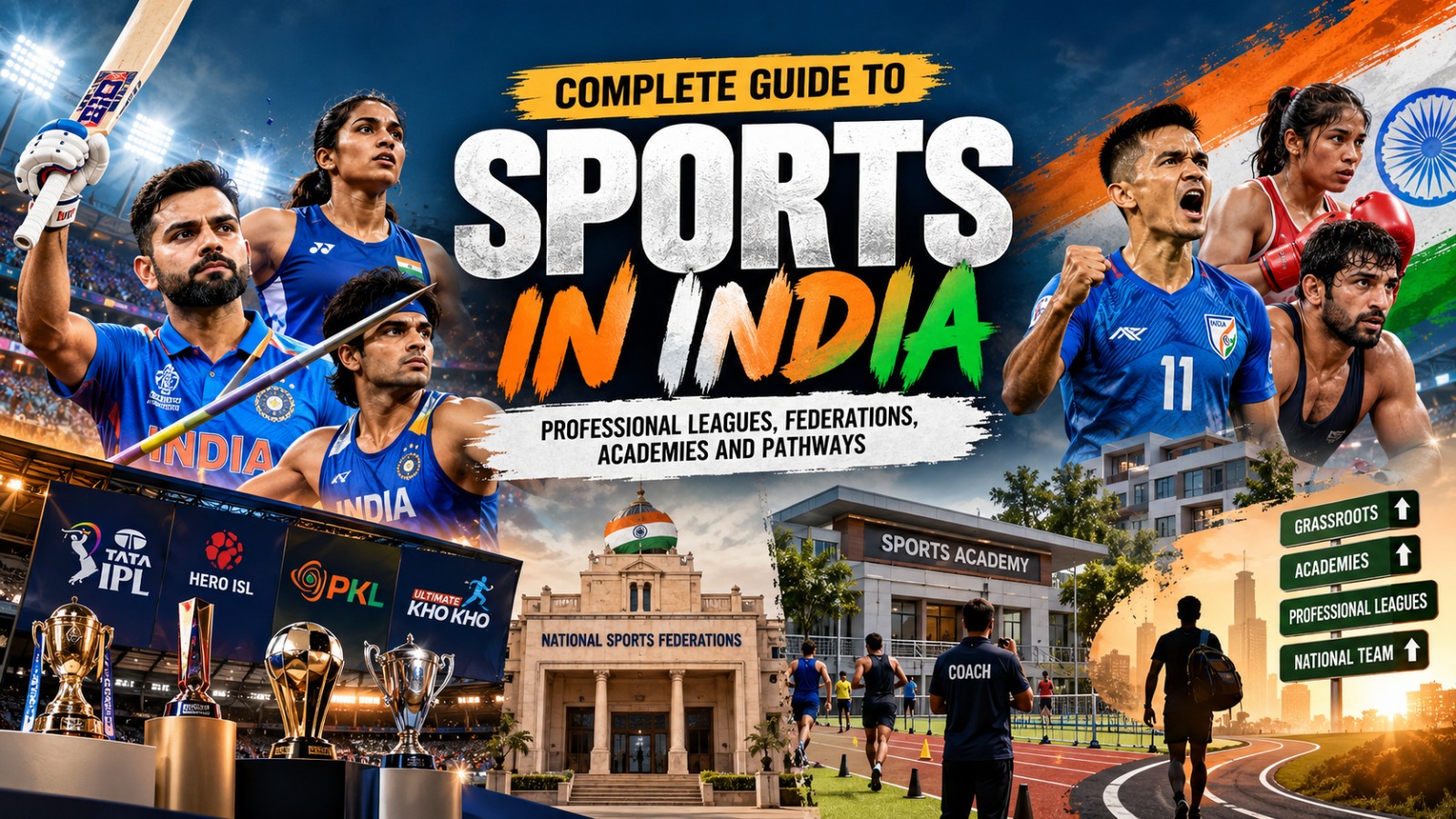
India has long been a nation of immense sporting passion—but passion alone doesn’t create global dominance. As we look toward 2026 and beyond, the real question is not whether India has talent, but whether we can build the systems required to consistently produce world-class athletes across multiple sports.
Here are 5 key things India must get right to truly become a sporting nation like the USA or Australia:
- Build Grassroots, Not Just Champions
We celebrate medals, but we must invest in school-level sports, local leagues, and early coaching.
Champions are not created at the top—they are built from the ground up.
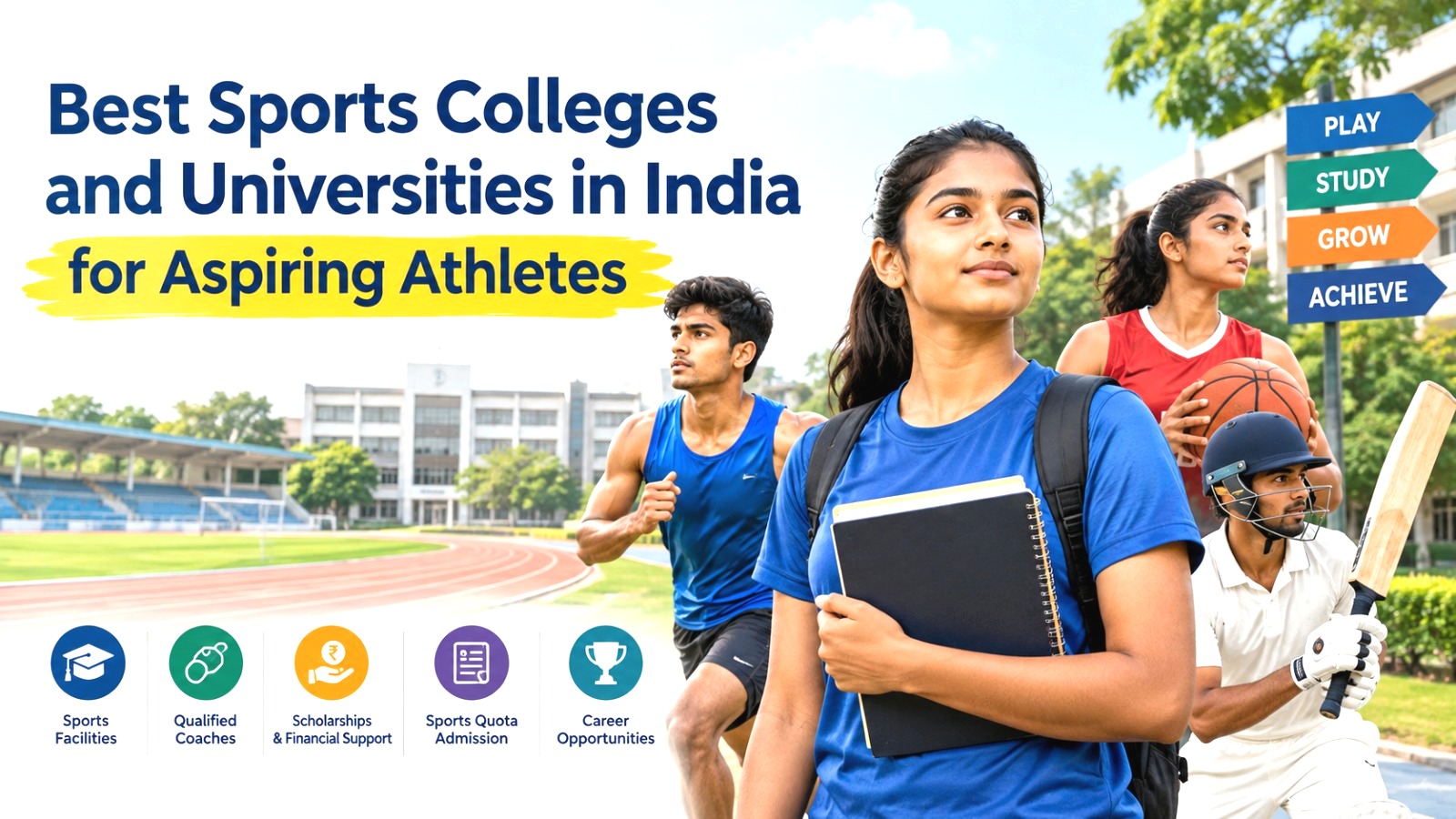
India’s biggest gap is not talent—it’s structured exposure at a young age. Countries like the USA and Australia have deeply embedded school and college sports systems that act as talent pipelines. In India, sports is still often treated as an extracurricular activity rather than a parallel career path.
We need:
Mandatory sports infrastructure in schools
Qualified grassroots coaches
Inter-school and district-level competitions with visibility
If we fix the base, the top will take care of itself.
2. Create a Sports Economy, Not Just Events
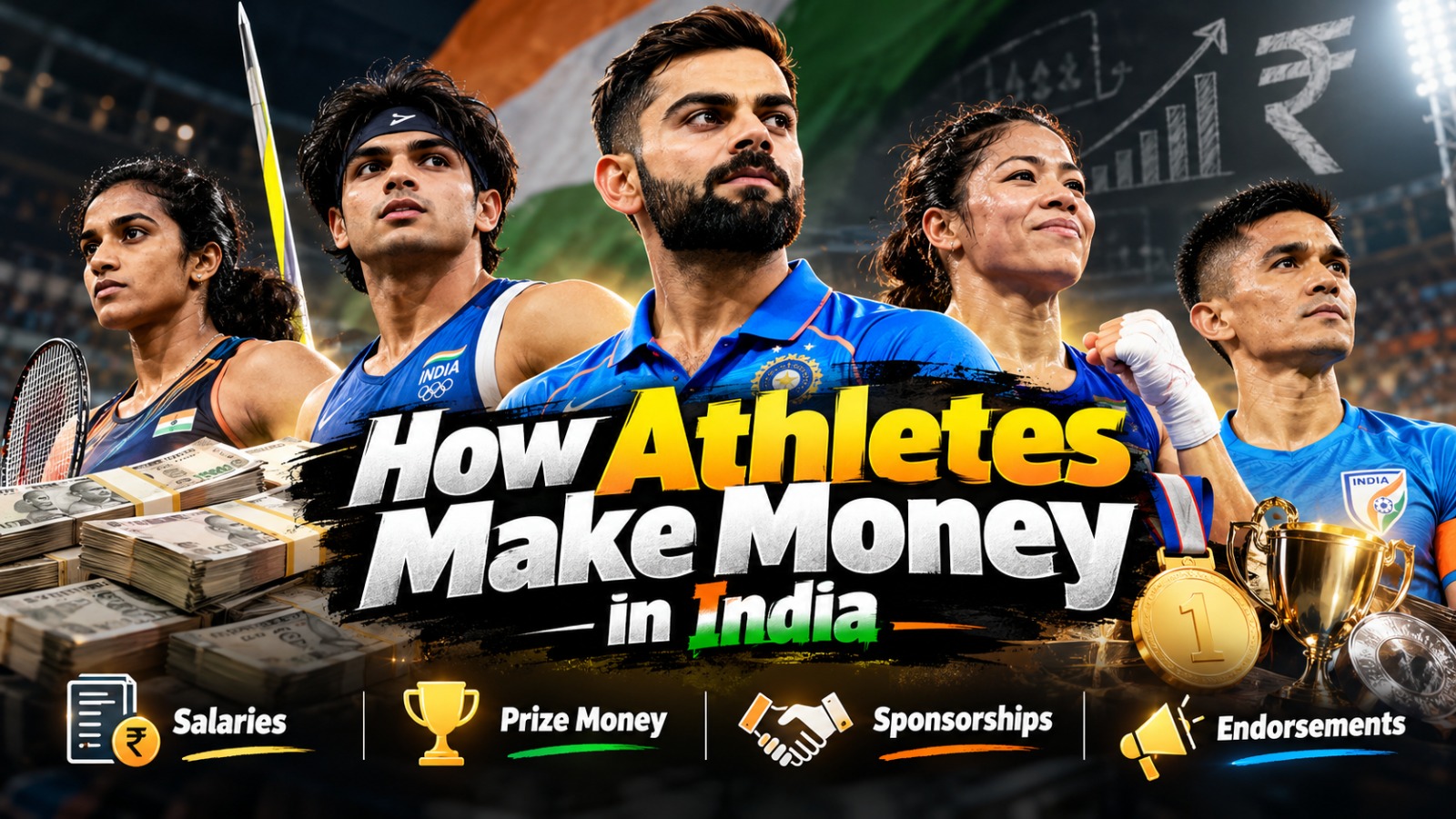
From academies to leagues to content to infrastructure—sports must become a full ecosystem.
When sports create jobs, careers, and businesses, growth becomes unstoppable.
India has seen success with leagues like IPL and emerging formats in Kabaddi and football. But the real opportunity lies beyond marquee events. A thriving sports economy includes:
Coaching and training academies
Sports media and content creators
Fitness and performance industries
Data analytics, scouting, and management
When parents start seeing sports as a viable career—not just as a passion—everything changes. Investment flows, professionalism increases, and talent retention improves.
3. Make Sports a Daily Culture, Not Occasional Entertainment
Sports should not be limited to watching IPL or Olympics.
It should be part of everyday life—in offices, schools, and communities.
In countries like Australia, playing a sport is as routine as going to work. In India, we are still largely spectators. This mindset shift is crucial.
We need:
Workplace sports leagues
Community tournaments
Accessible public sports infrastructure
The more people play, the more the ecosystem grows—from fans to athletes to professionals.
4. Invest in Sports Science, Fitness & Athlete Welfare
Modern sport is no longer just about skill—it’s about science, recovery, and longevity.
India has historically lagged in areas like:
Injury prevention and rehabilitation
Nutrition and strength conditioning
Mental health and performance psychology
Elite athletes globally have access to full support teams—trainers, physiotherapists, analysts, psychologists. In India, this is still limited to top-tier players.
If we want consistent international success, we must:
Integrate sports science into training systems
Provide medical and psychological support at all levels
Focus on long-term athlete development, not short-term results
A healthy athlete is a high-performing athlete.
5. Build Strong Governance & Long-Term Vision:
No sporting nation succeeds without strong governance and clear direction.
India has often struggled with:
Administrative inefficiencies
Lack of transparency
Short-term decision-making
To compete globally, we need:
Professional sports management bodies
Data-driven decision-making
Long-term planning cycles (8–10 years, not 1–2 years)
Countries like the USA and Australia invest with Olympic cycles and beyond in mind. They don’t react—they plan.
India must move from a reactive to a strategic sporting mindset.
Final Thought
The countries leading in sports didn’t get there by chance—they built systems, invested consistently, and made sports a way of life.
India is at a tipping point.
With a young population, growing digital reach, emerging leagues, and increasing global exposure—we have everything we need to rise.
But the next decade will define our global sporting identity.
Will we continue celebrating moments, or will we start building a movement?
| Key Focus Area | Core Idea | Current Gap in India | What Needs to Be Done | Impact | |
|---|---|---|---|---|---|
| 1️⃣ | Build Grassroots, Not Just Champions | Champions are built from the ground up, not at the top | Lack of structured exposure at school level; sports treated as extracurricular | Mandatory sports infrastructure in schools, qualified grassroots coaches, inter-school & district competitions | Strong talent pipeline and consistent production of elite athletes |
| 2️⃣ | Create a Sports Economy, Not Just Events | Sports must evolve into a full ecosystem beyond leagues | Limited career visibility; focus only on big events like IPL | Develop academies, media, fitness industry, analytics, and management roles | Job creation, investment growth, and sustainable sports careers |
| 3️⃣ | Make Sports a Daily Culture, Not Occasional Entertainment | Sports should be part of everyday life, not just viewership | Majority are spectators, not participants | Workplace leagues, community tournaments, accessible public infrastructure | Increased participation leading to a stronger overall ecosystem |
| 4️⃣ | Invest in Sports Science, Fitness & Athlete Welfare | Performance today depends on science, recovery, and mental strength | Limited access to sports science, nutrition, and mental health support | Integrate sports science, provide medical & psychological support, focus on long-term development | Healthier athletes, improved performance, and longer careers |
| 5️⃣ | Build Strong Governance & Long-Term Vision | Success requires structured planning and professional management | Administrative inefficiencies, lack of transparency, short-term thinking | Professional bodies, data-driven decisions, long-term planning (8–10 years) | Sustainable growth and global competitiveness |
Final Summary
| Insight | Explanation |
|---|---|
| System Over Talent | Talent exists in India, but systems will determine global success |
| Long-Term Thinking | Countries like USA & Australia succeed due to consistent planning |
| Cultural Shift Needed | From spectators to active participants |
| India’s Opportunity | Young population + digital growth = massive potential |
Closing Thought
| Question |
|---|
| Will India continue celebrating moments, or start building a movement?
|
| Question | Answer |
|---|---|
| 1. Why is grassroots development the most critical factor for India to become a sporting nation? | Grassroots development is the foundation of any successful sporting nation because it ensures a continuous pipeline of talent. In countries like the USA and Australia, structured school and college-level competitions help identify and nurture athletes from a very young age. In India, however, many talented individuals never get the opportunity due to lack of infrastructure, coaching, and exposure at the early stage. By investing in grassroots systems—such as school sports programs, local leagues, and trained coaches—India can systematically identify talent across regions, including rural areas. This not only increases participation but also ensures that athletes receive proper training and competitive experience early in their careers. Over time, this structured approach leads to higher-quality athletes at the national and international level, making grassroots investment the most important step toward long-term sporting success. |
| 2. How can India build a sustainable sports economy beyond major leagues like IPL? | Building a sustainable sports economy requires expanding the ecosystem beyond just marquee events. While leagues like the IPL have shown the commercial potential of sports in India, true growth lies in creating multiple revenue streams and career opportunities. This includes developing sports academies, investing in fitness and training centers, promoting sports media and content creation, and integrating technology such as data analytics and performance tracking. Additionally, encouraging corporate sponsorships, local leagues, and government-private partnerships can further strengthen the ecosystem. When sports begin to generate consistent employment—whether as coaches, analysts, content creators, or event managers—it changes the perception of sports from a risky career choice to a stable profession. This shift is crucial for attracting talent, increasing participation, and ensuring long-term sustainability. A strong sports economy ultimately supports athletes at every level and helps India compete globally with established sporting nations. |