

Formula 1 2026 Calendar Announced, Big Changes Lined Up
As the world of motorsport evolves, the Formula 1 2026 calendar stands at the epicentre of one of the most revolutionary eras in the sport’s history. With a major overhaul in technical regulations, a steep rise in manufacturer interest and an increasing global audience, 2026 promises to redefine the spectacle, strategy, and sustainability of Formula 1. This article delves deep into the key elements shaping the 2026 season — from major regulatory changes to driver dynamics, team developments, and what fans can expect from this bold 2.0 version.
For the first time ever, Spain will host two Formula One Grand Prix races in 2026, with the new race in Madrid joining Barcelona, as the calendar for a new season could bring big changes on the grid. The 2026 campaign will commence for the second consecutive season with Australia at Melbourne’s Albert Park Street circuit on March 6-8. The race in the capital city of Madrid will bring the curtain down on the European segment of the season. This new circuit will comprise of street and non-street sectors, with the 24-weekend campaign concluding in the Middle Eastern belt of Abu Dhabi.
The 2026 season promises to look radically different from all previous years, with Cadillac becoming the 11th team on the grid and sweeping new regulations on aerodynamics and power units. Mohammed Ben Sulayem, president of motorsport’s governing body, the FIA, has stated that from the forthcoming year, the FIA Formula One World Championship will a significant new era in the adrenaline-clad motorsport.
Save the date 🔒
Presenting the 2026 Calendar 🗓️
24 races across the world to crown our champion 🏆#F1 #Formula1 pic.twitter.com/4xe7e8MPM6
— Formula 1 (@F1) June 10, 2025
F1 2026 Changes
1) Revolutionary Regulations – One of the biggest changes coming in 2026 is the introduction of new power unit (PU) regulations. F1 will transition to fully sustainable synthetic fuels, significantly reducing the sport’s carbon footprint. These new rules aim to enhance the sustainability of the sport while still delivering thrilling performance.
2) New Concepts and Changes – To complement the new power units, aerodynamic regulations are also being revamped, with the introduction of ‘Active Aerodynamics’ as a system along with smaller and lighter cars. The minimum weight will drop by about 50 kgs, making the cars more agile and responsive. These changes aim to promote closer racing and more overtaking opportunities, which fans have long demanded.
3) Manufacturer Rebirth – One of the most exciting aspects of the 2026 season will be the return and entry of major automotive manufacturers, owing to the appealing new power unit regulations. Audi will make a comeback in the F1 2026 grid, Honda will return as an official engine supplier for Aston Martin, while Red Bull Powertrains, in partnership with Ford, will debut their first fully developed power unit.
4) Driver Shuffling – With many top driver contracts expiring at the end of 2025, the 2026 grid could feature significant reshuffling. Lewis Hamilton, the GOAT of Formula 1 may see him retire and take on a different role, Verstappen may move out from Red Bull and pick a new team as per reports; emerging drivers may take the forefront.
Formula One 2026 Calendar
March 6-8: Melbourne, Australia
March 13-15: Shanghai, China
March 27-29: Suzuka, Japan
April 10-12: Sakhir, Bahrain
April 17-19: Jeddah, Saudi Arabia
May 1-3: Miami, United States
May 22-24: Montreal, Canada
June 5-7: Monaco
June 12-14: Barcelona, Spain
June 26-28: Spielberg, Austria
July 3-5: Silverstone, Great Britain
July 17-19: Spa-Francorchamps, Belgium
July 24-26: Budapest, Hungary
August 21-23: Zandvoort, Netherlands
Sept 4-6: Monza, Italy
Sept 11-13: Madrid, Spain
Sept 25-27: Baku, Azerbaijan
Oct 9-11 Singapore
Oct 23-25 Austin, United States
Oct 30-Nov 1: Mexico City, Mexico
Nov 6-8 Sao Paulo, Brazil
Nov 19-21 Las Vegas, United States
Nov 27-29 Lusail, Qatar
Dec 4-6: Abu Dhabi, UAE
The 2026 Formula 1 season will not be just a new year – it marks a new era in the realm of motor-sporting. With sweeping changes to technical regulations coming in the new year, the arrival of powerhouse manufacturers, a shake-up in the driver line-up and a firm commitment to sustainability, F1 is on the brink of evolution into a sport that remains both cutting-edge and globally relevant. For fans, it means enhanced innovation, higher competition and certainly intriguing entertainment.
For manufacturers and stakeholders, it’s a showcase of future-forward technology. As far as the sport itself is concerned, 2026 is the year meant for perfect balance of classic tradition and ground-breaking revolution — where roaring engines meet dynamic power, and tradition meets transformation. As the calendar release for the opening race in 2026 came underway, the world now awaits with bated breath to explore the scintillating future Formula 1 aims to depict.
FAQs on Formula 1 2026
1)What is the full form of FIA?
FIA stands for Fédération Internationale de l’Automobile. This International Federation is the governing body for Formula 1 (F1), overseeing the complete rules and regulations of the motorsport.
2)Who won the 2024 Drivers’ Championship?
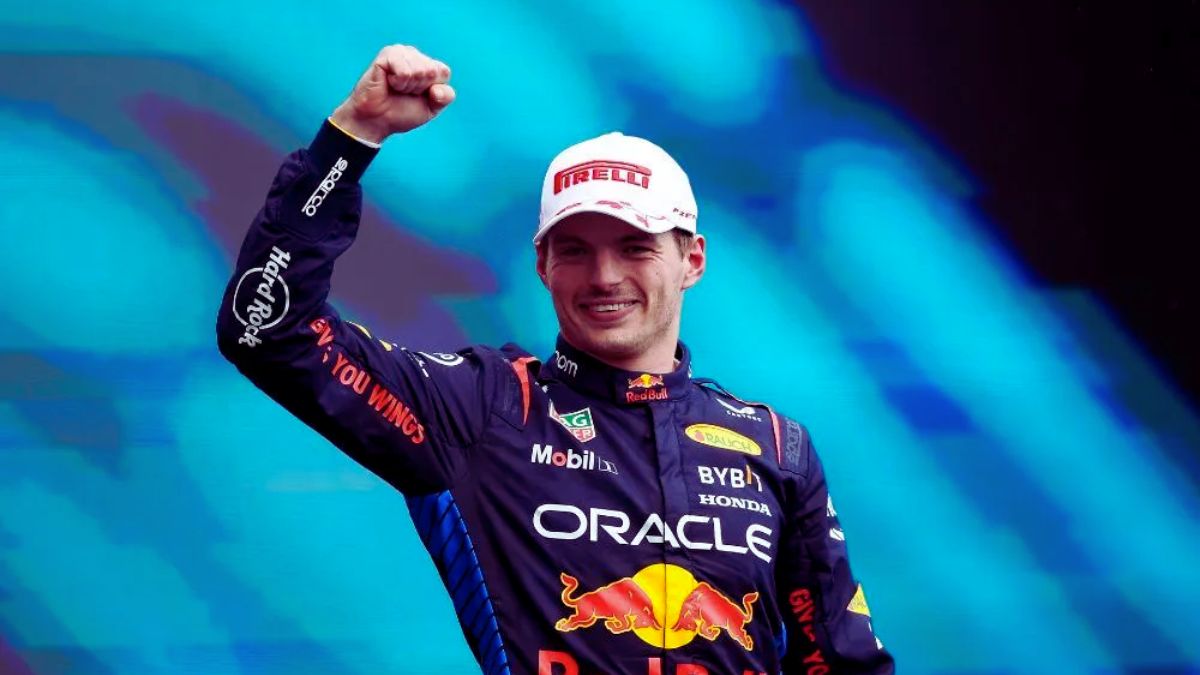
The 2024 Drivers’ Championship was won by Max Verstappen with Red Bull Racing-Honda RBPT. This makes him eligible to use the number 1 car in the 2025 season.
3) Lewis Hamilton drives which car in F1?
Lewis Hamilton will be driving a Ferrari in the Formula 1 2025 season. He previously drove for Mercedes for 12 years, winning six of his seven world titles with them.
Related posts: