
Everything You Need to Play Pickleball in India( Kits, Weight, Prize and Other Details)
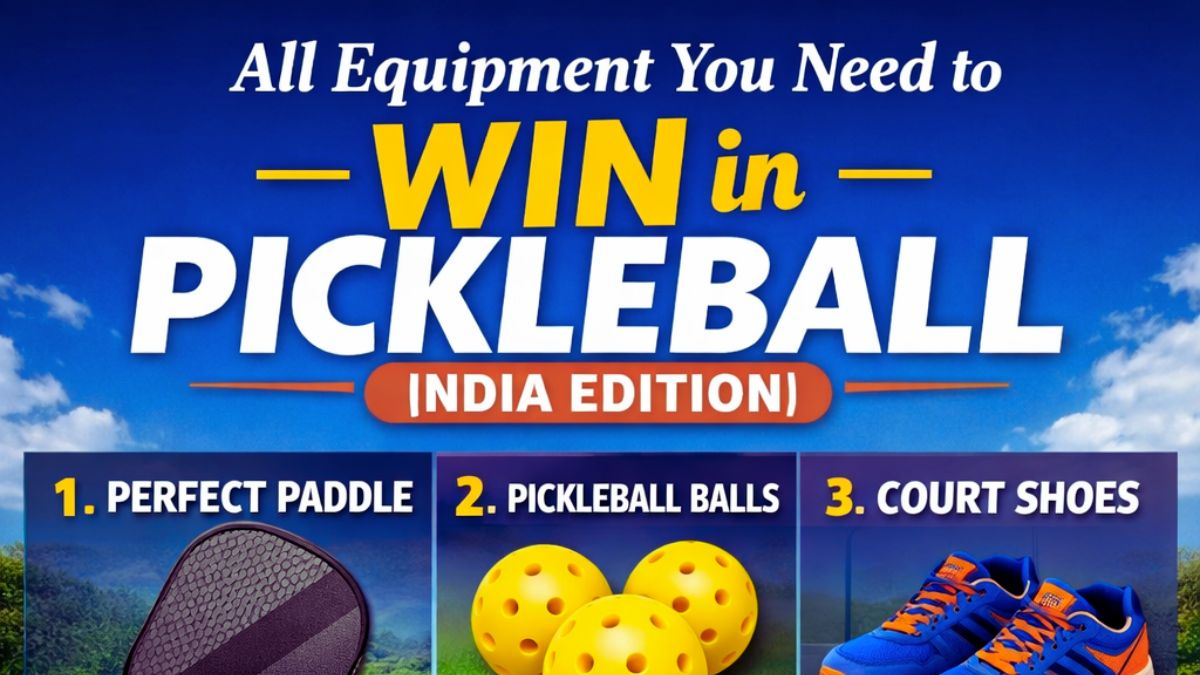
All Equipment You Need to Play Pickleball in India (or Anywhere in the World)
Pickleball is no longer just a recreational sport — it’s becoming a serious competitive movement across India and globally. From gated communities in Mumbai to sports academies in Delhi NCR, and from local clubs to structured tournaments under the All India Pickleball Association, the game is growing fast.
If you’re serious about improving your performance, your equipment matters more than you think.
Let’s break down everything you need — from essentials to smart upgrades — along with practical advice tailored for Indian conditions.

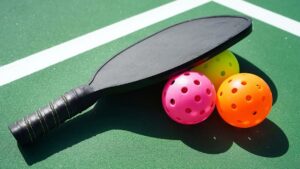
1. Paddle (Your Main Weapon)
Your paddle is the single most important investment in pickleball.
Composite
Graphite
For most Indian players — especially beginners to intermediates — a mid-range graphite paddle is ideal. It offers a strong balance between power and control without being too heavy.
Weight Matters
1. Paddle (Your Main Weapon)
| Category | Details | Recommendation for Indian Players | Why It Matters |
|---|---|---|---|
| Material | Composite / Graphite | Mid-range graphite | Balance of control + power |
| Weight – Lightweight | 6.5–7.2 oz | For control-focused players | Less fatigue |
| Weight – Mid-weight | 7.3–8.4 oz | ✅ Best choice | Ideal balance |
| Weight – Heavy | 8.5+ oz | Advanced power hitters | Can strain wrist |
| Grip Size | Proper hand fit | Slightly smaller + add overgrip | Prevents wrist strain & tennis elbow |
| Key Advice | Control > Power | Focus on consistency | Wins more rallies in doubles |
2. Balls
| Type | Features | Best For | Indian Condition Suitability |
|---|---|---|---|
| Indoor Balls | Softer plastic, larger holes, lower bounce | Wooden/Indoor courts | Limited use in India |
| Outdoor Balls | Harder plastic, smaller holes, durable | Cement/Synthetic courts | ✅ Best option |
| Extra Tip | Always carry extras | Heat can crack balls | Ensures consistency |
Impact on Game:
Bounce predictability • Spin control • Match rhythm
3. Court Shoes (Game Changer)
| Feature Required | Why It’s Important | Prevents |
|---|---|---|
| Non-slip sole | Better court grip | Slipping |
| Lateral support | Side movement stability | Ankle injuries |
| Toe guard | Durability | Shoe wear & tear |
| Cushioning | Shock absorption | Knee strain |
Avoid: Running shoes (built for forward motion only)
Key Reminder: Footwork wins points.
4. Apparel & Sportswear
| Category | Essentials | Why It Matters |
|---|---|---|
| Clothing | Moisture-wicking t-shirts | Sweat management |
| Bottomwear | Lightweight shorts/skorts | Free movement |
| Outdoor Gear | Cap / Visor | Sun protection |
| Accessories | Sweatbands | Better paddle grip |
| Optional | UV-protection clothing | Heat defense |
Professional players in leagues like the Professional Pickleball Association prioritize comfort for grip stability and spin control.
5. Optional but Smart Add-ons
| Item | Purpose | Recommended For |
|---|---|---|
| Safety Eyewear | Eye protection at net | Competitive players |
| Gloves | Better grip | Sweaty palms |
| Pickleball Bag | Organized storage | Regular players |
| Portable Net | Practice anywhere | Beginners & academies |
| Overgrip | Extends paddle life | All levels |
Approximate Cost in India
| Equipment | Estimated Cost (₹) |
|---|---|
| Paddle | 1,500 – 3,000 |
| Balls | 500 – 800 |
| Shoes | 2,000 – 5,000 |
| Accessories | 500 – 2,000 |
| Total Setup | ₹4,500 – ₹10,000 |
Pickleball remains more affordable than tennis or cricket.
Indian Conditions: Priority Checklist
| Condition | What to Prioritize |
|---|---|
| Outdoor courts | Outdoor balls |
| Cement surface | Durable court shoes |
| High heat | Sweat-resistant grips |
| Frequent play | Mid-weight paddle |
Storage Tip: Keep paddles and balls in a cool place to avoid heat damage.
Beginner vs Competitive Setup
| Level | Equipment Focus |
|---|---|
| Beginner | Mid-weight graphite paddle, outdoor balls, basic court shoes, moisture-wicking tee |
| Competitive | Carbon surface paddle, tournament balls, pro shoes, safety eyewear, overgrip rotation |
Final Performance Philosophy
| Skill Principle | Priority |
|---|---|
| Control | > Power |
| Footwork | > Strength |
| Consistency | > Fancy Shots |
Bottom Line
Wrong paddle = Inconsistent control
Poor shoes = Weak footwork
Cheap balls = Unpredictable bounce
Uncomfortable clothing = Mental distraction
Pickleball is a sport of precision, placement, patience, and soft hands.
The right equipment doesn’t just help you play.
It helps you compete.
Invest wisely. Train consistently. Upgrade gradually.
Lightweight (6.5–7.2 oz): More control, less fatigue
Mid-weight (7.3–8.4 oz): Best balance of power + control
Heavy (8.5+ oz): More power but harder on the wrist
Mid-weight paddles (7.3–8.4 oz) are the safest and smartest choice for Indian players playing 3–4 times a week.
Wrist strain
Elbow pain
Tennis elbow
Always test your grip before buying. If unsure, go slightly smaller and add an overgrip.
Pro Tip: Control wins more rallies than raw power — especially in doubles.
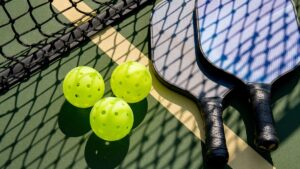
2. Balls (Not Tennis. Not Cricket.)
Indoor Balls
Softer plastic
Larger holes
Lower bounce
Designed for wooden or indoor courts
Outdoor Balls (Best for India)
Harder plastic
Smaller holes
More durable
Handles wind better
Since most Indian courts are outdoor (cement or synthetic), outdoor balls are the smarter investment.
Always carry extra balls. Pickleballs crack over time, especially in Indian heat.
Consistency in ball quality directly impacts:
Bounce predictability
Spin control
Match rhythm
3. Court Shoes (Game Changer)
One of the biggest mistakes beginners make? Wearing running shoes.
Running shoes are built for forward motion. Pickleball demands:
Lateral movement
Quick pivots
Sudden stops
What You Need:
✔ Non-slip sole
✔ Strong lateral support
✔ Durable toe guard
✔ Cushioning for repeated impact
Good footwear prevents:
Ankle injuries
Knee strain
Slipping during rallies
Investing in proper court shoes improves performance instantly. Footwork wins points.
4. Apparel & Sportswear
Comfort directly impacts focus.
Essentials:
Moisture-wicking t-shirts
Lightweight shorts or skorts
Breathable fabric
For Outdoor Play:
Cap or visor
UV protection clothing (optional but useful)
Sweatbands for grip
In India’s humid and hot weather, sweat control matters. Slippery hands affect paddle control more than you realize.
Professional players in global circuits like the Professional Pickleball Association emphasize comfort and sweat management because grip stability affects spin generation.
These are not mandatory — but serious players use them.
• Safety Eyewear
Fast reflex volleys at the net can cause eye injuries. Lightweight sports glasses are a smart precaution.
• Gloves
Helpful for players with sweaty palms or skin sensitivity.
• Pickleball Bag
Keeps paddles, balls, water bottles, and accessories organized.
• Portable Net
Great for practicing in parks, societies, or schools.
Extends paddle life and improves grip comfort.
Small accessories can significantly improve long-term performance.
Here’s a realistic beginner-to-intermediate setup budget:
Total starting investment: Around ₹4,500 – ₹10,000
Compared to sports like tennis or cricket, pickleball is extremely affordable.
Many players believe skill alone matters.
Wrong paddle = inconsistent control
Poor shoes = weak footwork
Cheap balls = unpredictable bounce
Uncomfortable clothing = mental distraction
Precision
Placement
Soft hands
Patience
Your gear directly influences these factors.
Indian Conditions: What You Should Prioritize
Because most Indian courts are:
Outdoor
Cement-based
Played in heat
You should prioritize:
Outdoor balls
Sweat-resistant grips
Durable shoes
Mid-weight paddle
Heat affects plastic balls and paddle surface grip — so always store equipment in a cool place.
Beginner vs Competitive Setup
Beginner Setup
Basic court shoes
Moisture-wicking t-shirt
Competitive Setup
Carbon surface paddle
Professional court shoes
Safety eyewear
Paddle overgrip rotation
As India’s pickleball ecosystem grows and structured tournaments expand under organizations like the International Federation of Pickleball.
Final Advice
Control > Power
Footwork > Strength
Consistency > Fancy Shots
Pickleball rewards discipline, patience, and smart decisions — both on the court and while choosing your gear.
Invest wisely. Train consistently. Upgrade gradually.
Frequently Asked Questions (Detailed)
1. What is the best paddle for beginners in India?
For beginners, a mid-weight graphite paddle (7.3–8.4 oz) is the safest and smartest choice. It offers a balanced combination of control and power without putting too much stress on the wrist or elbow. Lightweight paddles may feel easier to swing, but they sometimes lack stability during volleys. Heavier paddles generate more power but can lead to fatigue and even tennis elbow if used incorrectly. Beginners should also focus on grip size — a comfortable grip improves shot precision and prevents long-term injuries. As your skill level increases, you can experiment with carbon-surface paddles for more spin and control.
2. Can I use running shoes for pickleball?
Running shoes are not recommended for pickleball. They are designed for forward movement, while pickleball requires quick lateral movements, side shuffles, and sudden stops. Without proper lateral support, you increase the risk of ankle sprains and knee strain. Court shoes provide better grip, stability, and shock absorption, especially on cement or synthetic courts common in India. Investing in the right footwear not only improves performance but also protects you from avoidable injuries.
3. Are outdoor balls necessary in India?
Yes, outdoor balls are highly recommended in India. Most courts are open-air and exposed to wind and high temperatures. Outdoor balls are made from harder plastic and are more durable, allowing them to withstand heat and rough surfaces. Indoor balls tend to wear out quickly in such conditions and offer inconsistent bounce. For consistent rallies, better spin control, and match stability, outdoor balls are the practical choice for Indian players.