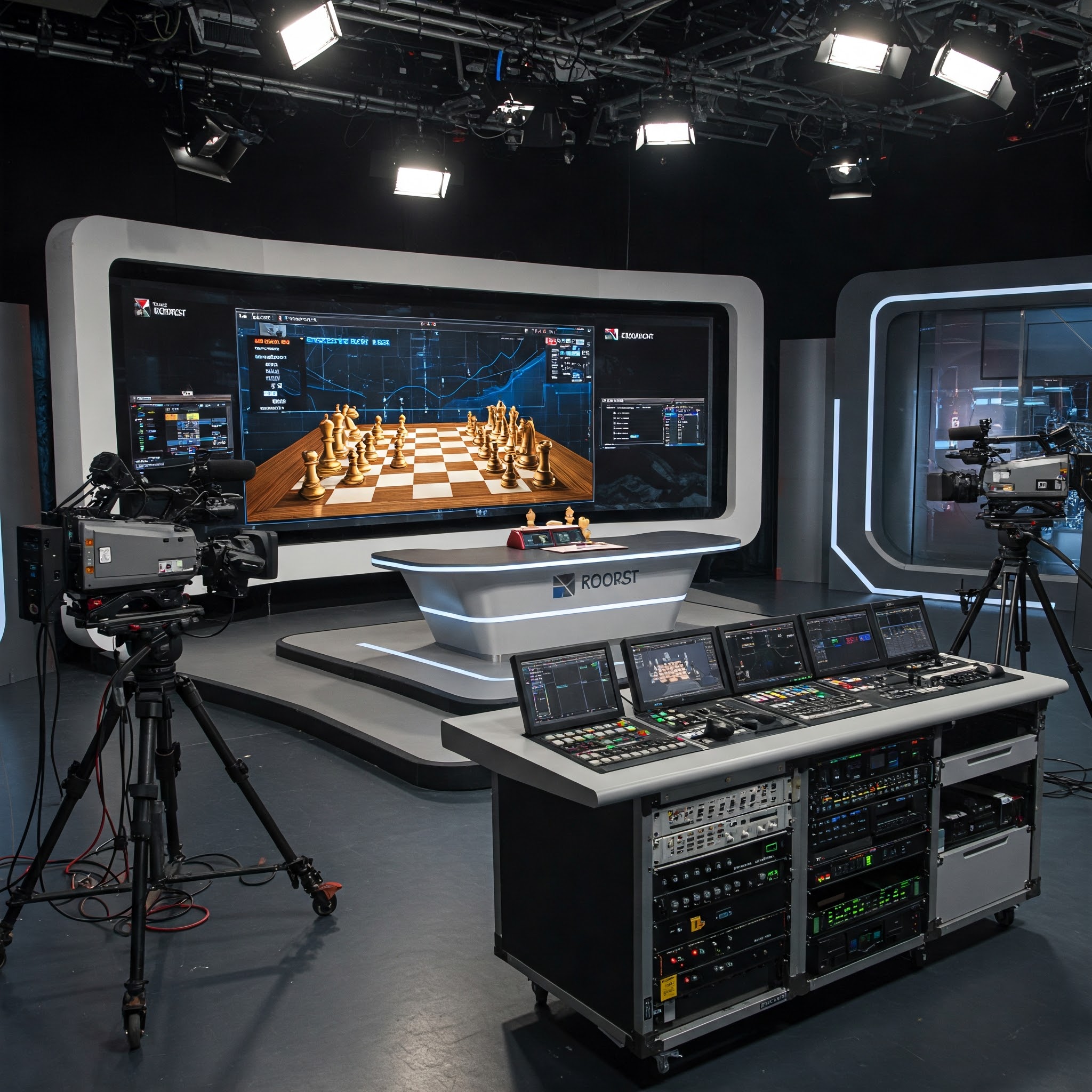
Chess is booming in India, with young stars like Gukesh, Harika, and Praggnanandhaa leading the way. As the country enjoys a golden era in chess, how the game is shown to fans is getting a major upgrade. From unmanned cameras to heart-rate monitors, chess broadcasting is becoming more exciting and modern. This article explores how India is transforming chess broadcasts, the challenges involved, and what the future holds for this unique sport.
A New Era for Chess Broadcasting
India’s chess scene is thriving, with a men’s world champion, a strong women’s Olympiad team, and young players yet to reach their peak. To match this success, broadcasters are stepping up their game. Manu Gurtu and Sreekar Channapragada, two tech enthusiasts from Hyderabad, are leading the charge. Their company produces world-class chess broadcasts, ensuring fans across the globe can enjoy the action. For example, they organized the Chennai Grandmasters event last year, which helped Gukesh qualify for the Candidates tournament.
Unlike fast-paced sports like cricket, chess is slow and thoughtful. Players often sit still, deep in thought, which makes broadcasting a challenge. Manu explains that their setup uses 15 unmanned cameras mounted on tripods. These cameras can pan, tilt, and zoom remotely without disturbing players. The equipment is quiet, with no flashing lights, and keeps the board’s lighting under 450 lumens to avoid distractions. This setup ensures clarity while respecting the strict rules of chess.
Challenges in Chess Broadcasting
Broadcasting chess comes with unique hurdles. For one, all chess broadcasts have a 15-minute delay to prevent cheating. This means fans watching live see moves after a lag, which can feel out of sync with online discussions. Commentator Rakesh Kulkarni, an International Master, says this delay is necessary for fairness but can frustrate viewers. To keep fans engaged, broadcasters add polls about exciting matches, like the recent clash between Dronavalli Harika and Koneru Humpy, the first in 21 years.
♟️ FIDE and idChess sign partnership agreement!
🤝 The International Chess Federation (FIDE) and idChess, a platform for recognizing and broadcasting chess games and implementing chess VAR, have signed a partnership agreement. This agreement establishes the intention of FIDE and… pic.twitter.com/tGF9kIdDYA
— International Chess Federation (@FIDE_chess) March 3, 2025
Another challenge is keeping the energy high. Since chess involves long moments of silence, commentators must explain complex moves in a simple, lively way. Kulkarni notes that women’s chess is often more action-packed, with 70% of games ending in wins compared to 70% draws in men’s games. This makes knockout events thrilling for viewers, as they love seeing decisive results.
Anti-Cheating Measures and Technology
Cheating is a growing concern in chess, especially with advances in AI and tiny devices. Manu points out that cheating isn’t just about accessing moves, it could be as simple as someone signaling a strong position. To combat this, chess events use metal detectors, radio-frequency scanners, and strict isolation rules, like those in the World Championship. Broadcasters also watch for suspicious behavior, such as a player repeatedly looking at one spot, which could be flagged for arbiters.
New technology is shaping chess broadcasts too. DGT electronic boards automatically send moves to the broadcast, eliminating the need for manual input. Some events, like the Candidates, use cameras to track players’ eye movements, giving fans a glimpse into their thought process. However, ideas like heart-rate monitors face resistance. Players worry about sharing personal data, and organizers are cautious about electronic devices due to cheating risks. Still, Manu believes heart-rate monitors could boost viewership if players embrace the change.
Making Chess Fun for Fans
To make chess more engaging, broadcasters focus on players’ habits and personalities. For example, Harika puts her hands on her head when stressed but sits straight when confident. Praggnanandhaa sips water when relaxed, while Gukesh walks around when sure of his moves. These small details add fun to the broadcast, helping fans connect with players. However, some players, like Arjun Erigaisi, train to hide their emotions, keeping a “poker face” to avoid giving anything away.
Manu also credits players like Hans Niemann and Magnus Carlsen for bringing excitement to chess. Their public rivalry has drawn attention to the sport, adding a bit of “masala” that attracts new viewers. Streamers and online platforms have also made chess more popular, especially among younger fans.
The Future of Chess Broadcasting
Looking ahead, chess broadcasting in India is set to grow. Manu emphasizes the need for innovation, like showing moves visually instead of using technical terms like “Knight to c3.” Commentators should keep things light and fun, using banter to fill quiet moments. With broadcasts reaching over 100 countries for FIDE events, the goal is to make chess exciting without disturbing players.
India’s rise as a chess powerhouse demands top-notch broadcasts. By using advanced technology, tackling cheating concerns, and making the game relatable, broadcasters like Manu and Sreekar are helping chess reach new heights. As the sport continues to evolve, fans can expect more thrilling ways to experience the battle of minds on the board.