
Biggest Takeaways From Indian Players Experience Playing Pickleball in India
Biggest Takeaways from Indian Players’ Experience Playing Pickleball in India:
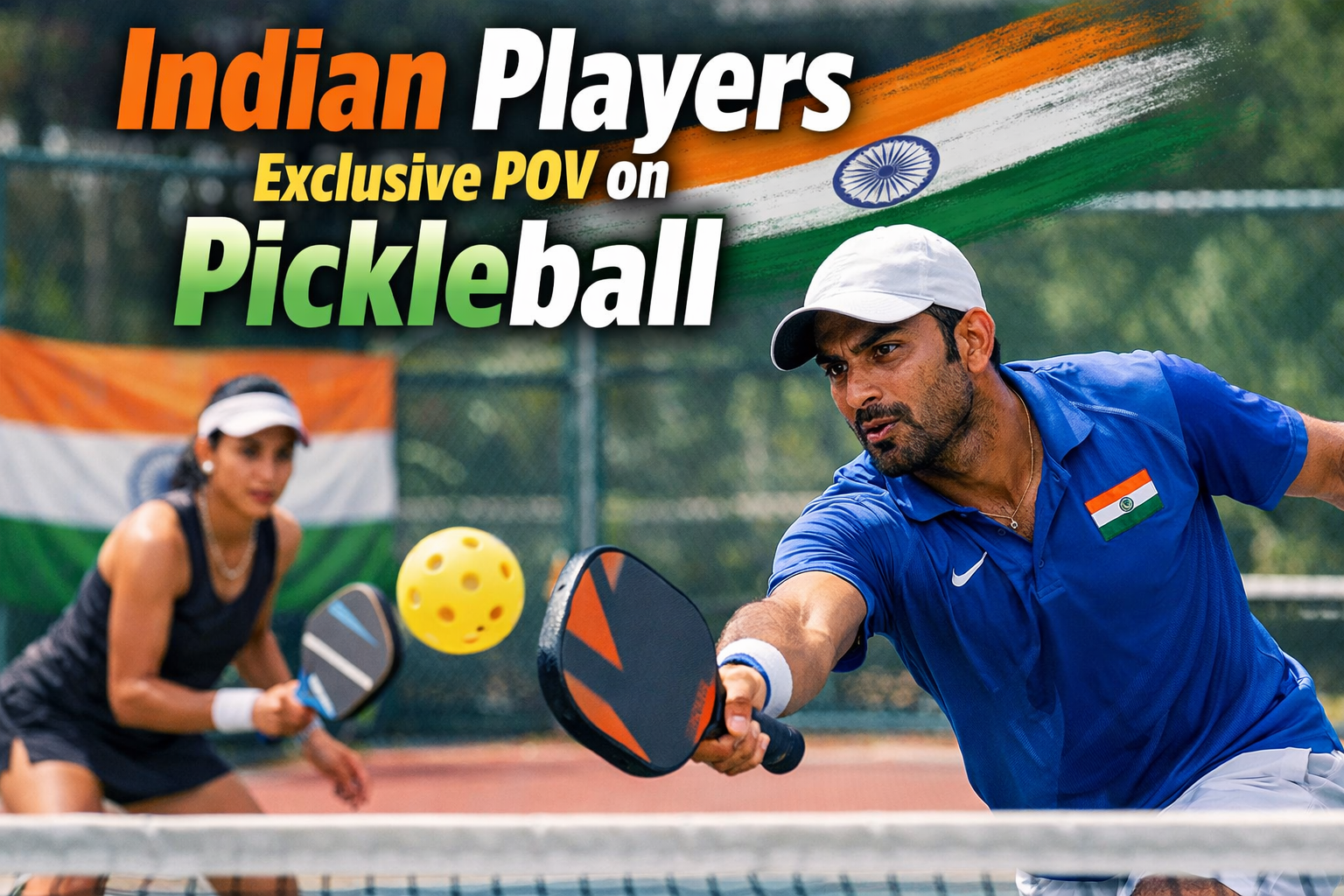
Pickleball in India is no longer a fringe or novelty sport. Over the last few years, it has rapidly transitioned from being a recreational pastime to a semi-professional and aspirational competitive sport. With new courts coming up, tournaments being organized more frequently, and increasing attention from sponsors and sporting communities, the game is clearly on an upward curve.
However, behind the excitement and growth lies a more nuanced reality—one that Indian players are experiencing firsthand. Their collective experiences reveal critical insights about income disparity, infrastructure challenges, and rising competition. These lessons are important not only for players but also for organizers, investors, and governing bodies aiming to build a sustainable ecosystem.
1. Only Top 25–30 Players in India Are Earning Substantial Money, While Middle-Tier Players Are Struggling:
One of the biggest realities of Indian pickleball today is the sharp income imbalance among players. At present, only around 25–30 top players in the country are earning consistent money—approximately ₹25–30 lakhs annually—through tournament winnings, sponsorships, coaching roles, brand collaborations, and league contracts.
For these elite players, pickleball has become a viable profession. They travel frequently, represent clubs or franchises, and enjoy visibility on social media and in national competitions. However, beyond this small group lies a large pool of middle-tier and upcoming players who struggle to sustain themselves financially.
Most of these players invest heavily in training, travel, equipment, and recovery but receive limited returns. Tournament prize money often drops sharply beyond the top few finishers, and sponsorships are rare for anyone outside the elite bracket. As a result, many skilled players are forced to juggle full-time jobs, coaching assignments, or other sports just to continue competing.
This imbalance highlights a critical gap in the ecosystem. For pickleball to grow long-term, the system must create earning opportunities across all levels, not just for the top performers. This could include structured leagues with guaranteed match fees, regional circuits, ranking-based incentives, coaching certification programs, and grassroots sponsorship models. Without such balance, the sport risks losing talented players who cannot afford to stay in the game despite their potential.
2. Rapid Court Construction for ROI Is Leading to Poor Infrastructure and Increased Injuries:
Another major takeaway from players across the country is the growing concern around court quality and player safety. With pickleball’s popularity surging, courts are being built at an unprecedented rate. While this expansion is necessary, the rush to generate quick returns on investment has led to compromises in construction standards.
Many pickleball courts in India are being built using improper materials rather than recommended asphalt or high-quality hard surfaces. In some cases, concrete slabs, uneven tiles, or temporary flooring are used to cut costs and speed up construction. While these courts may look acceptable initially, they often lack proper shock absorption and surface consistency.
Players report an increase in ankle, knee, lower-back, and foot injuries, especially among those playing frequently or transitioning from other sports. Poor surface grip, inconsistent bounce, and uneven finishes add to the physical strain and raise the risk of long-term injuries.
If pickleball aims to be a professional and inclusive sport in India, infrastructure standards must be prioritized over short-term profits. Governing bodies and private operators need clear guidelines on court construction, surface material, drainage, and maintenance. Educating investors and venue owners about the long-term benefits of quality infrastructure—such as player retention, fewer injuries, and better reputation—is crucial for sustainable growth.
3. The Talent Pool Is Expanding Faster Than Expected, Making the Future Highly Competitive:
Pickleball has attracted a large number of tennis and badminton players in India, many of whom see it as a promising alternative due to its lower physical barrier, faster learning curve, and increasing professional opportunities. These athletes bring strong fundamentals such as footwork, shot control, and tactical awareness, giving them an initial advantage.
However, a key mistake many transitioning players make is assuming that pickleball will remain less competitive in the long run. In reality, an equally large—and growing—number of young players are starting pickleball directly, without transitioning from another sport. These players are learning the game from an early age, training specifically for pickleball, and adapting faster to its unique strategies and nuances.
As a result, the competitive landscape is tightening rapidly. What may feel like an easy entry point today will soon become a highly contested space. Younger athletes, with specialized training and long-term exposure, are likely to challenge and surpass many late entrants unless they continue to evolve their game.
This trend underscores the need for continuous skill development, fitness conditioning, and strategic understanding. Players cannot rely solely on their background in other sports. Long-term success in pickleball will demand commitment, adaptability, and professional training pathways similar to other established sports.
Final Perspective:
Indian pickleball stands at a crucial turning point. While the sport’s growth is exciting, the experiences of players reveal that sustainability depends on addressing income disparity, improving infrastructure quality, and preparing for rising competition. A balanced ecosystem—where players at all levels can earn, play safely, and grow competitively—will determine whether pickleball becomes a lasting professional sport in India or remains limited to a small elite group.
By learning from these takeaways now, stakeholders have a real opportunity to shape a healthier and more inclusive future for Indian pickleball.
3 Biggest Takeaways from Indian Players’ Experience Playing Pickleball in India
| Section | Details |
|---|---|
| Overview | Pickleball in India has evolved rapidly from a recreational sport into a semi-professional and aspirational competitive game. With increasing courts, frequent tournaments, and growing sponsor interest, the sport is clearly on an upward trajectory. However, beneath this growth lie structural challenges related to earnings, infrastructure, and competition that players experience firsthand. |
| Key Stakeholders Impacted | Players, tournament organizers, private investors, sponsors, court owners, federations, and governing bodies aiming to build a sustainable pickleball ecosystem in India. |
Takeaway 1: Income Imbalance Among Players
| Aspect | Explanation |
|---|---|
| Current Reality | Only the top 25–30 players in India earn consistently, with annual incomes of approximately ₹25–30 lakhs. |
| Income Sources (Top Tier) | Tournament prize money, sponsorships, league contracts, coaching roles, brand collaborations, and appearances. |
| Middle-Tier Player Struggle | A large pool of skilled middle-tier and upcoming players struggles to sustain themselves financially despite heavy investments in training, travel, equipment, and recovery. |
| Prize Money Gap | Tournament winnings drop sharply beyond the top few finishers, making it difficult for non-elite players to earn regularly. |
| Sponsorship Access | Limited sponsorship opportunities exist beyond the elite bracket, restricting financial growth for emerging talent. |
| Resulting Impact | Many talented players are forced to balance full-time jobs, coaching, or other sports alongside competitive pickleball. |
| Ecosystem Gap | Lack of structured income pathways for players outside the top tier. |
| Suggested Solutions | Structured leagues with guaranteed match fees, regional circuits, ranking-based incentives, coaching certification programs, and grassroots sponsorship models. |
| Long-Term Risk | Potential loss of talented players who cannot afford to continue despite strong performance and potential. |
Takeaway 2: Poor Court Infrastructure and Rising Injury Concerns
| Aspect | Explanation |
|---|---|
| Growth Driver | Rapid construction of pickleball courts driven by quick return-on-investment (ROI) expectations. |
| Infrastructure Issue | Many courts are built using improper materials instead of recommended asphalt or high-quality hard surfaces. |
| Common Construction Shortcuts | Use of concrete slabs, uneven tiles, temporary flooring, and poor finishing to reduce costs and speed up construction. |
| Surface Problems | Lack of shock absorption, inconsistent bounce, poor grip, and uneven surfaces. |
| Injury Trends | Increased cases of ankle, knee, lower-back, and foot injuries, especially among frequent players and those transitioning from other sports. |
| Player Feedback | Growing concern about long-term physical strain and career-threatening injuries. |
| Required Action | Establishment of clear standards for court construction, surface material, drainage, and maintenance. |
| Role of Authorities | Governing bodies and private operators must enforce quality benchmarks and educate investors. |
| Long-Term Benefit | Better player safety, improved performance, stronger reputation, and sustainable venue usage. |
Takeaway 3: Rapid Expansion of the Talent Pool
| Aspect | Explanation |
|---|---|
| Incoming Athletes | Large influx of tennis and badminton players switching to pickleball due to its perceived accessibility and growth potential. |
| Initial Advantage | Strong fundamentals like footwork, shot control, and tactical awareness help transitioning athletes adapt quickly. |
| Common Misconception | Belief that pickleball will remain less competitive compared to traditional racquet sports. |
| Emerging Reality | A growing number of young athletes are starting pickleball directly, training specifically for the sport from an early age. |
| Youth Advantage | Faster adaptation to pickleball-specific strategies, techniques, and match dynamics. |
| Competitive Shift | The overall competition level is increasing rapidly, narrowing the gap between elite and emerging players. |
| Future Outlook | Younger, specialized players are likely to outperform late entrants unless continuous improvement is maintained. |
| Key Requirement | Continuous skill development, fitness conditioning, tactical growth, and professional training pathways. |
| Long-Term Expectation | Pickleball will demand the same level of dedication and professionalism as established sports. |
| Aspect | Summary |
|---|---|
| Current Phase | Indian pickleball is at a crucial developmental turning point. |
| Core Challenges | Income disparity, substandard infrastructure, and rapidly increasing competition. |
| Success Factor | Building a balanced ecosystem that supports players at all levels. |
| Desired Outcome | A sustainable, inclusive, and professional pickleball environment in India. |
| Opportunity Ahead | Stakeholders can shape the future by addressing these challenges proactively and strategically. |