
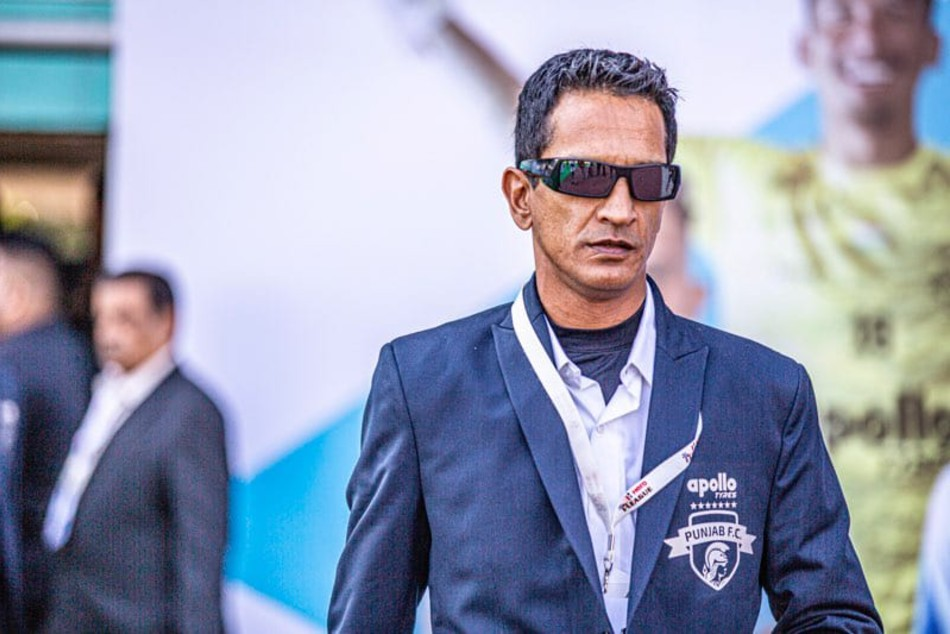
“We Indians Keep Trying to Do Things which we are ……” Said Indian Viral Football Coach Ranjit Bajaj in Exclusive Interview
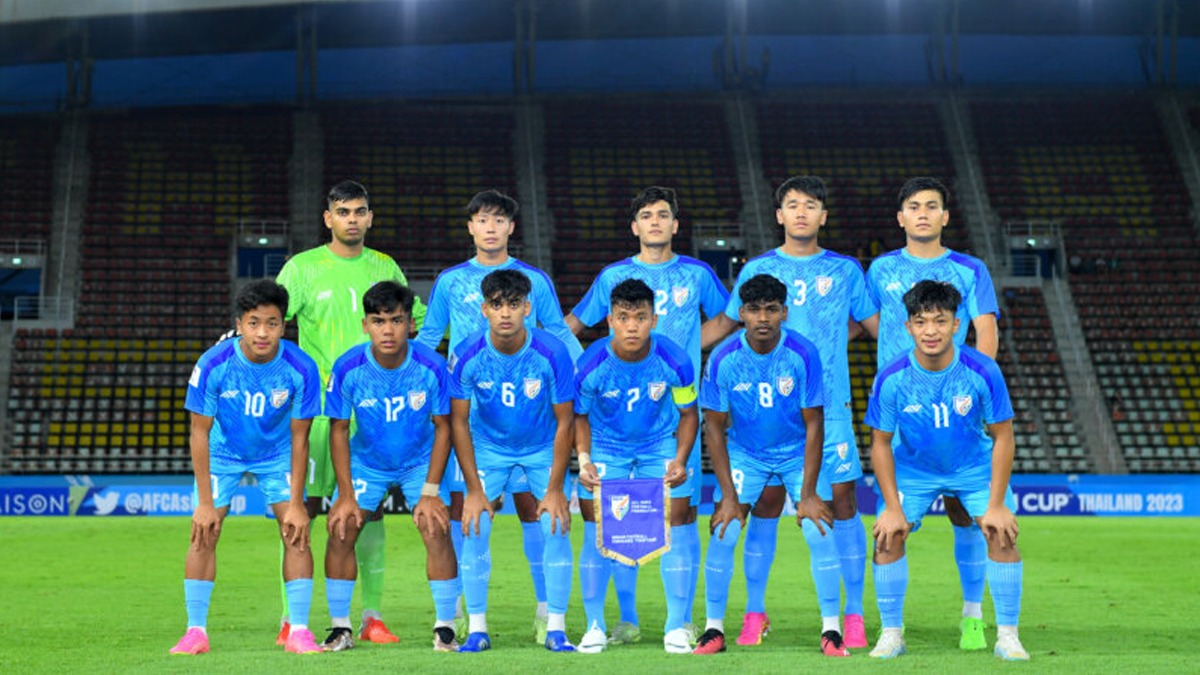
Indian Football is going on the redemption stage where they have appointed Khalid Jamil as new Coach for the National team.
India under him have broken their 13 year old record where Men in Blue have won any opening contest where they defeated Kazakistan.
They would be keenly looking to dominate in coming games, however challenges in Indian Football runs beyond many multfolded ways.
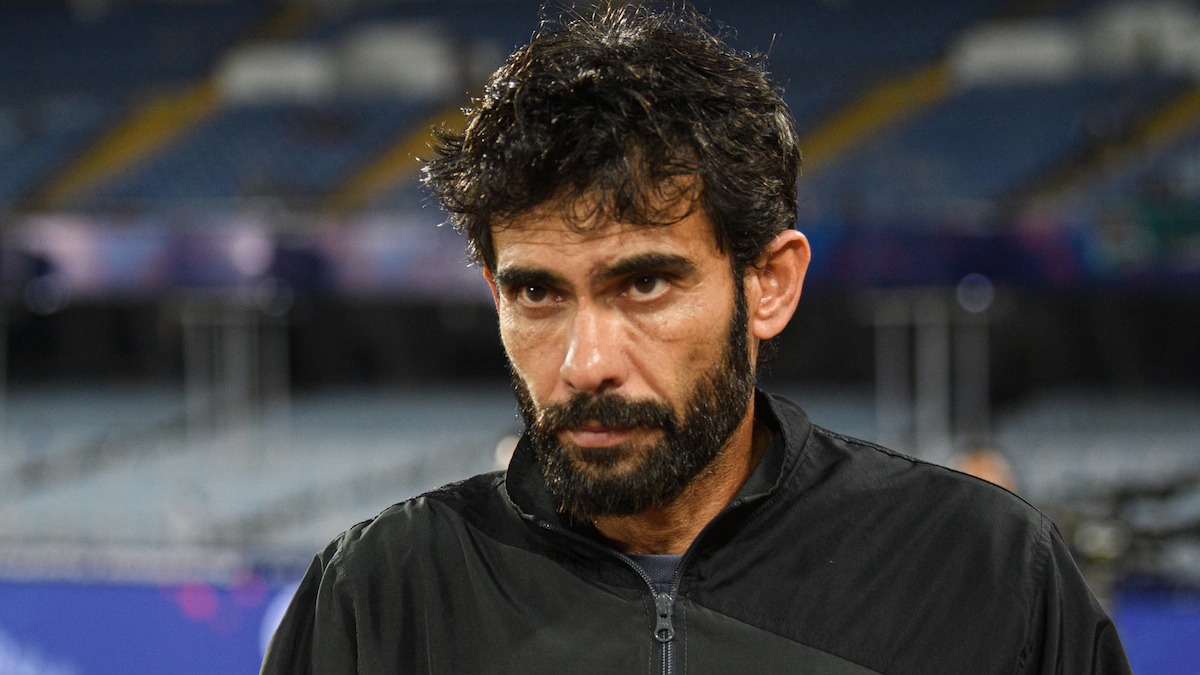
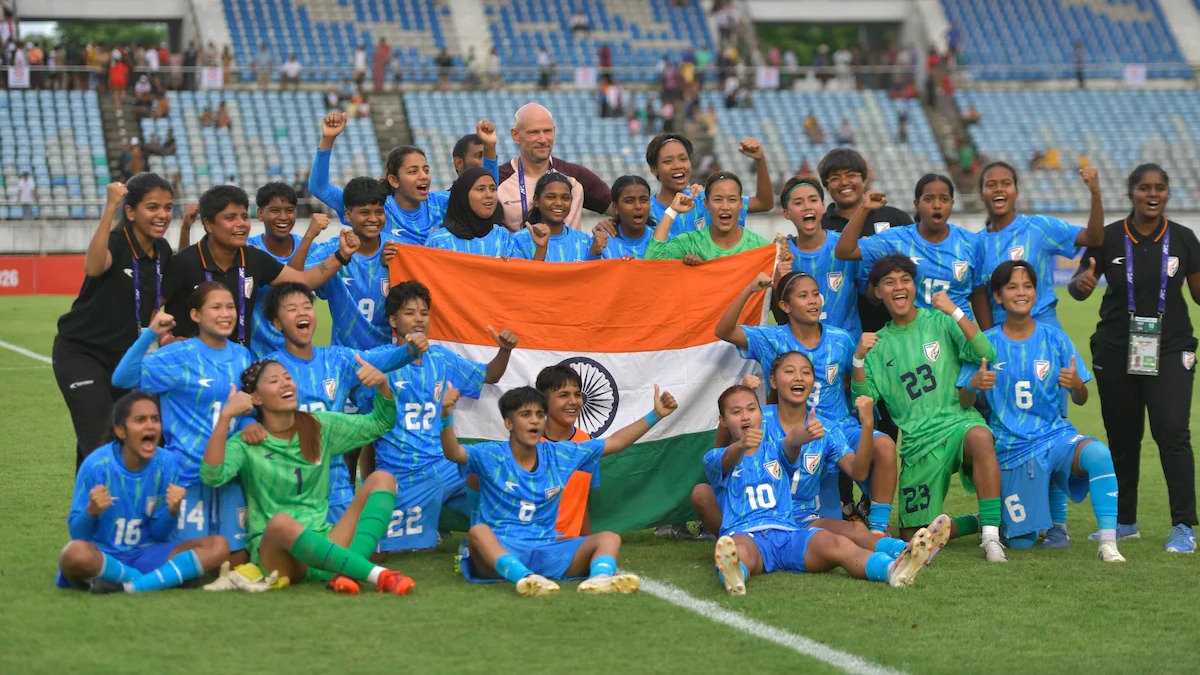
Based on latest Interview given by Coach Ranjit Bajaj who went viral on social media after his Minerva Punjab FC won back to back Four tournaments which include- Gothia, Dana Cup, Helsinki Cup and many more team didn’t only win under his coaching they literally thrashed them by huge margin.
Coach Ranjit Bajaj explained the corruption, system in All Indian Football Federation where they are only thinking about their position rather than making sure steps could be taken to improve Player’s welfare and development.
Coach Bajaj explained as Indians we are too much focused on striker, and copying other countries and most of our expert have already predicted, we can produce strikers in 2 weeks which makes me laugh.
He further explained that our players are so comfortable playing in Indian setup they don’t want to play outside if Indian football needs to improve, they need to play European Clubs and eventually it will improve standard of Indian Football.
One more technical stuff, he explained that your neurons as footballer builds at the age of 6 to 12 years old in our country professionally player started playing this sport professionally at the age of 12 years old means we are already left behind.
He also explained, the goal difference that Minerva Punjab created in the final is a record which hasn’t been created in last 50 years.
He also talked about the length of tournament where every game was around 40th Minute and Quarter, Semifinal and Final so our boys needs to up their intensity all the time.
He also highlighted flaws in Indian Football system has flaws and there is no system in place, also there is no scouting patterns available in our country where we can catch some of the most amazing talent and ensure they go on to serve India.
Apart from placing system, avoiding corruption and making sure Money goes into development of players, exposure to Player is important for them to grow big time when it is needed the most.
Also India need to build Overseas Indian player policy where Person of Indian citizen or Oveseas Citizen of Indian players who are competing in European clubs, should be given chance in the National Team also the players in current ecosystem should know if they don’t play good they would be replaced overall the standard of Indian Football needs to be improved big time.
Indian Football needs to up their game but the challenges have been immense which could resolve the problems of Indian Football.
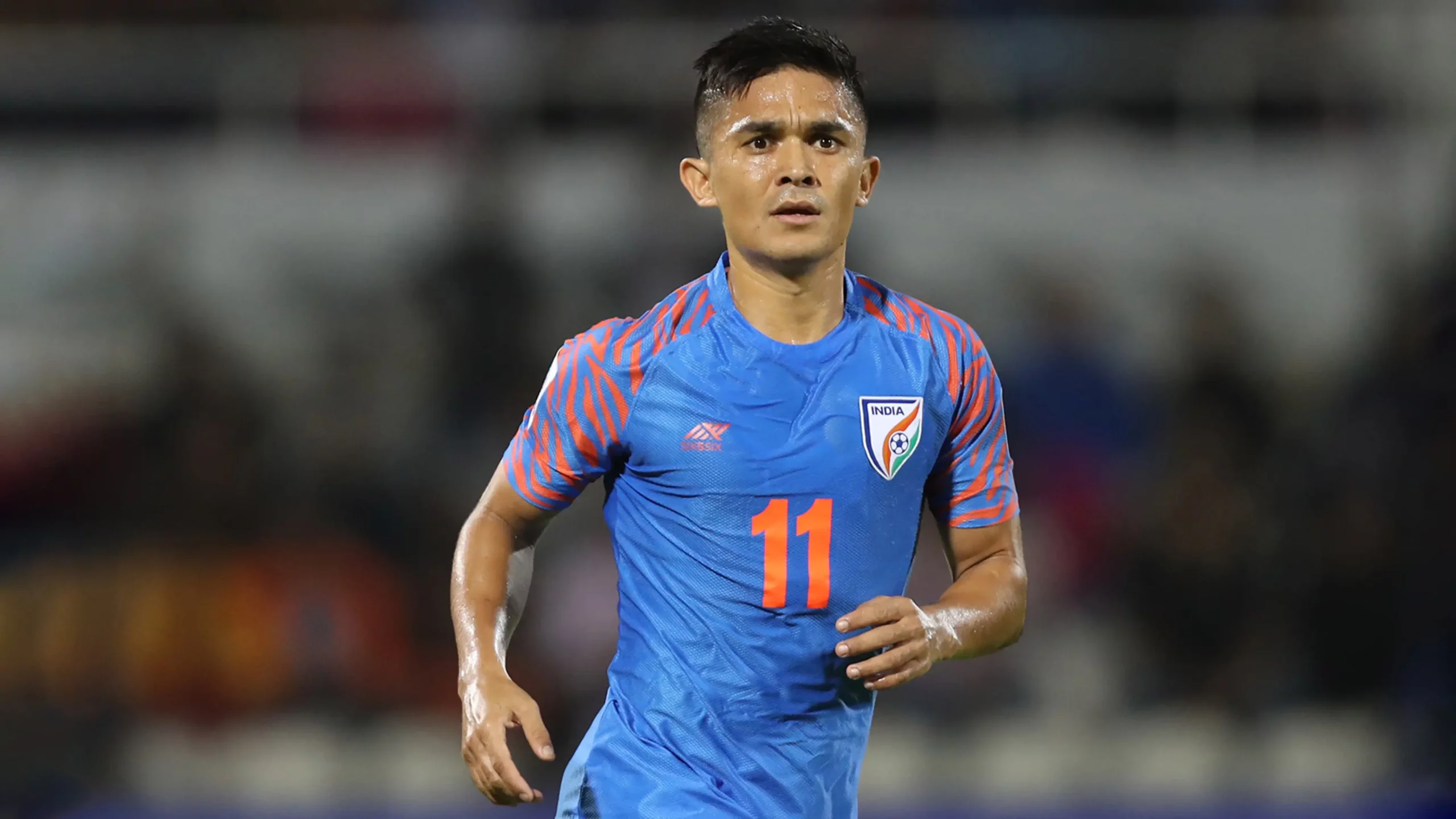
India is currently gearing up for CAFA nations Cup and they would need to replicate the same performance in the Upcoming matches followed by AFC Asia Cup Qualifiers where most probably Sunil Chhetri is expected to make comeback in the game.
Final Perspective: Indian Football needs to grow multifold ways all these challenges explained by Coach Ranjit Bajaj should be given opportunity to do wonders and make name for themselves.
Indian Football Federation should need to work on all aspects until and unless player development and 360 degree ecosystem is not build it would get difficult for Indian Football to surpass challenges imposed by other teams.
The way Indian Football do wonders, in 50s and 60s to where they have come in the current scenario is an absolutely bullshit thing to comprehend.
Indian Football needs to grow in multifold ways, and all these challenges explained by Coach Ranjit Bajaj should be addressed with urgency. Young players must be given opportunities to showcase their talent, develop in the right system
The All India Football Federation (AIFF) must focus on every aspect of the sport. Until and unless player development and a proper 360-degree ecosystem are built, it will be difficult for Indian football to overcome the challenges posed by stronger teams worldwide. Grassroots scouting, early-age training, exposure in European leagues
It is painful to realize how far the sport has declined. The way Indian football did wonders in the 1950s and 1960s, competing fiercely at the Asian stage, to where it stands today, is absolutely disappointing and difficult to comprehend. This decline reflects years of neglect, corruption, and mismanagement that robbed generations of potential talent.
However, with honest reforms, a vision-driven roadmap, and investment directly into player welfare, Indian football still has a chance to rise again. The global stage awaits, but only if India is willing to build from the ground up.
Important Questions(FAQ):
1. What does Khalid Jamil’s appointment mean for Indian Football?
Khalid Jamil becoming India’s head coach marks a fresh chapter. His arrival coincided with India’s first opening-match victory in 13 years, a morale-boosting win against Kazakhstan. Fans hope his tactical knowledge will help the team perform consistently in upcoming tournaments like the CAFA Nations Cup and AFC Asia Cup Qualifiers.
2. Why did Ranjit Bajaj’s interview go viral?
Bajaj, coach of Minerva Punjab FC, spoke bluntly about corruption, mismanagement, and flawed priorities in Indian football. His success in leading Minerva to international youth tournament wins gave weight to his criticism, making his interview resonate with fans frustrated by AIFF’s lack of vision.
3. What are the major flaws in Indian football according to experts?
Key issues include corruption, absence of grassroots scouting, late professional training (starting after age 12), .There is also no clear player welfare policy, and investment often goes into administration instead of player development.
4. How can India improve its footballing standards?
Experts suggest creating a scouting network, building overseas exposure programs, adopting a policy for Indian-origin players abroad, and ensuring young players start structured training at the right age (6–12 years). Additionally, reducing corruption and investing in grassroots infrastructure is crucial.
5. What lies ahead for the Indian Football Team?
India will soon participate in the CAFA Nations Cup and later the AFC Asia Cup Qualifiers. The possible return of Sunil Chhetri offers hope, but long-term progress depends on systemic reforms. Only with a structured approach can Indian football truly compete at the global level.
Related posts:
 Big Breaking; Ex India footballer Syed Sabir Pasha joins Indian Football Federation as Technical Director
 Asian Games 2023: We will definitely beat China in the Upcoming Encounter reveals Coach Igor Stimac
 Analysis of Indian Football Team’s Lackluster Performance Against China in Asian Games 2023
 AFC Qualifier: How Indian Football is completely Destroyed at the moment despite winning against Maldives 3-0?