
The Dark Reality of Sports Quota Jobs in India
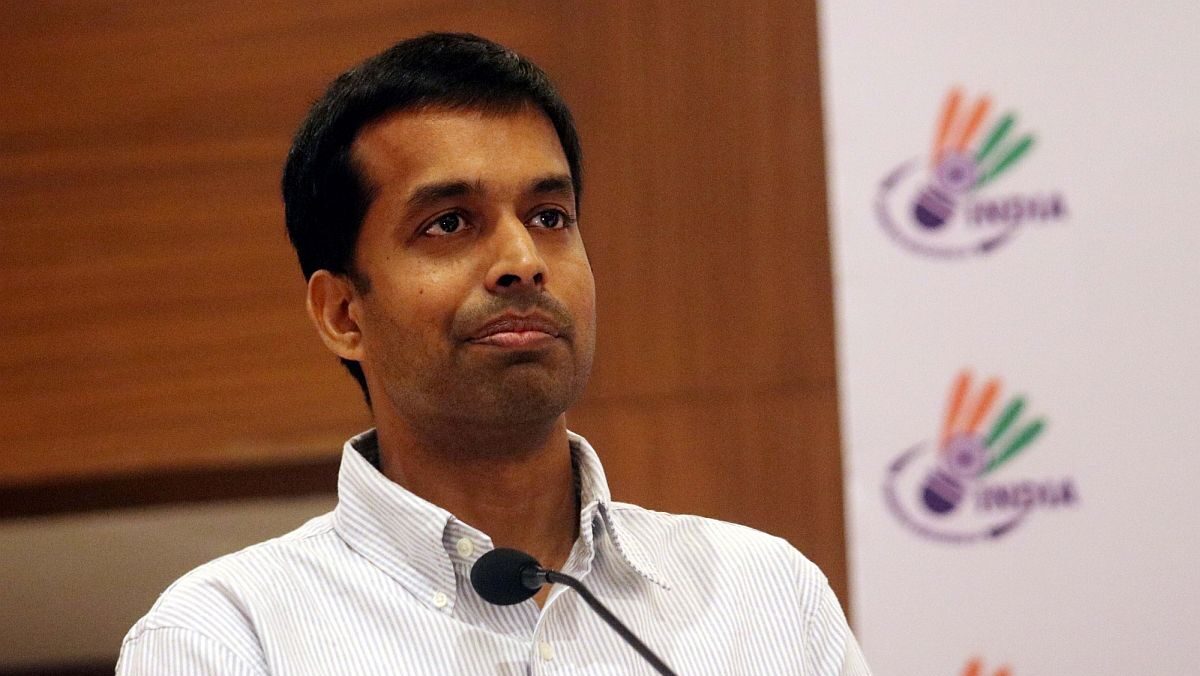
Pullela Gopichand, a very well-known badminton coach in India, recently started a big conversation. He said that parents who are not rich should think very carefully before they put all their money and time into their children’s sports. He said that only a small number of people become really successful in sports, and that life after sports can be very hard. His words, along with the stories of athletes like Parupalli Kashyap, Ashish Kumar, Ravi, and Ponnuswamy Rangaswamy, help us understand the real problems with the “sports jobs” system and how India helps its sports people.
Gopichand’s main point is about money. He explained that most athletes don’t make it to the highest level, where they can earn a lot of money. He also criticized the system for not preparing athletes for life after sports. Many athletes end up without good jobs or with jobs that don’t use their skills. This is a big problem for middle-class families who want their children to have a secure future.
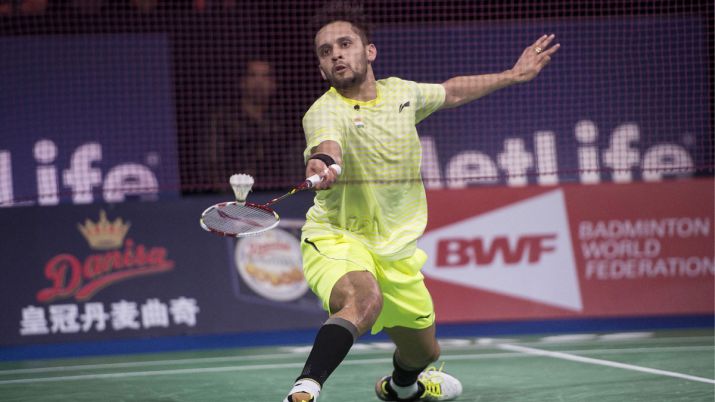
Parupalli Kashyap’s own story shows us how difficult it can be. He said, “I could see my badminton dream dying, so I told my mother ‘I’m not doing this.’” He had to choose between studying engineering and playing badminton. His family had money problems, so he needed a good job. He took a risk and chose badminton, and it worked out for him, but it was a very difficult choice. He agrees with Gopichand that having a good education is very important. He also stated, “Managing academics with sport is difficult, but players need to go through that grind – train on court and study.”
Ashish Kumar talks about the reality of “sports jobs.” He was lucky to get a good job, but he knows that many athletes are not so lucky. He said, “If someone is in Commercial or Engineering departments, the workload is great and aadhi himmat nikal jaati hai (half your energy is gone).” He also said that people at work sometimes don’t respect athletes and make their lives difficult. He explained, “They don’t see our 5 am training and don’t consider our gym training as ‘hard work’.” He also mentioned, “I returned from fighting for decimal points for a Floor Exercise medal at the Commonwealth Games, and came to this person measuring formatting space between lines on a routine form, because “kaaydaa kaanoon”.”
Ravi’s story is even tougher. He had a lot of trouble finding a job and ended up doing very simple tasks. He was sometimes treated badly at work. He said, “They would bar you from sitting on a chair in cabins, and insist you stand and talk.” His story also shows us that he had money problems at home and had to help his family. He worked hard to help his family, even with a job that was not what he wanted. He also stated, “Shortcut se (sport) job mila hai. Ab theek se kaam karo. (You’ve got the job using an easier route. Now work properly).”
Ponnuswamy Rangaswamy’s story is a mix of good and bad experiences. He said, “I tell people, don’t worry about whether officers like you or not. Eventually, if you slog hard, do something for the country and the Railways, rewards will follow.” He also said, “But if you don’t win medals, be prepared for no leave, no support – and seniors saying, “medal nahi hai, ab duty karo (There is no medal, now do your job).”” He did learn a lot of skills at his job, even though he was a sports person.
What These Stories Tell Us About Sports in India
These stories show us some important problems:
- A Lot of Pressure to Win: Athletes feel a lot of pressure to win competitions. Their jobs and how they are treated often depend on it.
- Not Always Treated With Respect: Sports people often don’t get the respect they deserve at work. They might be treated badly or ignored.
- Need More Help and Support: Athletes need more help, not just with their sports, but with their lives too. They need help with education, finding jobs, and dealing with problems.
- Education and Skills Are Very Important: Getting a good education and learning new skills are very important for life after sports. Many athletes don’t have these things, and it makes their lives very difficult.
- “Sports Jobs” Are Not Always a Good Solution: These jobs are supposed to help athletes, but they often don’t. Many athletes end up in jobs that don’t use their skills or help them grow.
- Feelings and Emotions Matter: Athletes go through a lot of stress and emotional problems. They need help dealing with these problems.
Gopichand’s Ideas to Make Things Better
Gopichand wants to make things better for athletes. He suggests:
- Sports schools that also teach education: This way, kids can learn and play sports at the same time.
- Help athletes learn new skills: This will help them find good jobs after they stop playing sports.
- Give sports people jobs on important boards: This will give them a say in how sports are run in India.
- Help athletes get into good schools and universities: This will help them get better jobs.
- Find talent in a better way: This will help kids find the right sport for them and avoid wasting time on sports they are not good at.
The Real Story of Sports in India
The stories of these athletes show us the real story of sports quota jobs in India. It is not just about winning medals and being famous. It is also about hard work, problems, and the need for help. We need to help athletes with their lives, not just their sports. Gopichand’s words and these stories show us that we need to make things better for sports people in India. We need to give them the respect and help they deserve.
Related posts:
 ‘A Match made in Hyderabad’ – Saina Nehwal & P. Kashyap
 India’s Singles Campaign In China Open Comes To An End
 Parupalli Kashyap upset with BWF for not freezing the Player rankings amid the COVID-19 outbreak
 Odisha Juggernauts seek win against Chennai Quick Guns in Ultimate Kho Kho Season 2; Mumbai Khiladis take on Gujarat Giants