Football fans around the world watched something special happen in Atlanta on Wednesday night. Argentina beat England 2-1 in the FIFA World Cup semifinal, and the way they did it will be talked about for years. Down by a goal with just minutes left on the clock, Lionel Messi and his team turned the game around in a matter of six minutes. Two goals, two Messi assists, and one giant step closer to another World Cup title.
This was not just a win. It was a moment that showed why Messi remains the heart and soul of Argentine football, even at 39 years old.
How the Match Unfolded
The first half of the game was slow and cagey. Both teams seemed unsure of how to break the deadlock. There were more fouls than clear chances, with the match producing a combined 19 fouls between both sides before halftime. John Stones had a header attempt in the 33rd minute, which was one of the few real efforts on goal. Just before halftime, Argentina’s Enzo Fernandez tried a curling shot that flew just over the bar.
Things changed in the second half. England’s winger Anthony Gordon capitalized on a defensive mistake from Argentina to put his team ahead in the 55th minute. For a long stretch after that, it looked like England might hold on and reach the final instead.
But football has a way of changing quickly, and that is exactly what happened.
The Six Minutes That Changed Everything
With time running out, Argentina kept pushing. Messi moved from his usual central role to the right side of the field, and this small change made a big difference. From this new position, he started sending in cross after cross into the England penalty area, mixing up the pace, height, and angle of his passes so defenders could not settle.
In the 85th minute, Argentina won a corner. Everyone expected Messi to take a direct shot at goal. Instead, he passed it short, and the ball eventually reached Fernandez in space. Fernandez took one touch and curled a low, spinning shot past keeper Jordan Pickford. The score was level, 1-1.
Just seven minutes later, Messi struck again. He whipped in another dangerous cross, and this time Lautaro Martinez rose above English defender John Stones to head the ball into the net. Argentina had turned a losing position into a winning one in the blink of an eye.
When the final whistle blew, Argentina had won 2-1 and secured their spot in the final for the second time in a row.
Messi’s Emotional Reaction
After the game ended, Messi dropped to his knees near the center circle. He looked up at the sky, tears rolling down his face, clearly overwhelmed by what had just happened. His teammates soon lifted him onto their shoulders, a celebration that has become common whenever Argentina achieves something big.
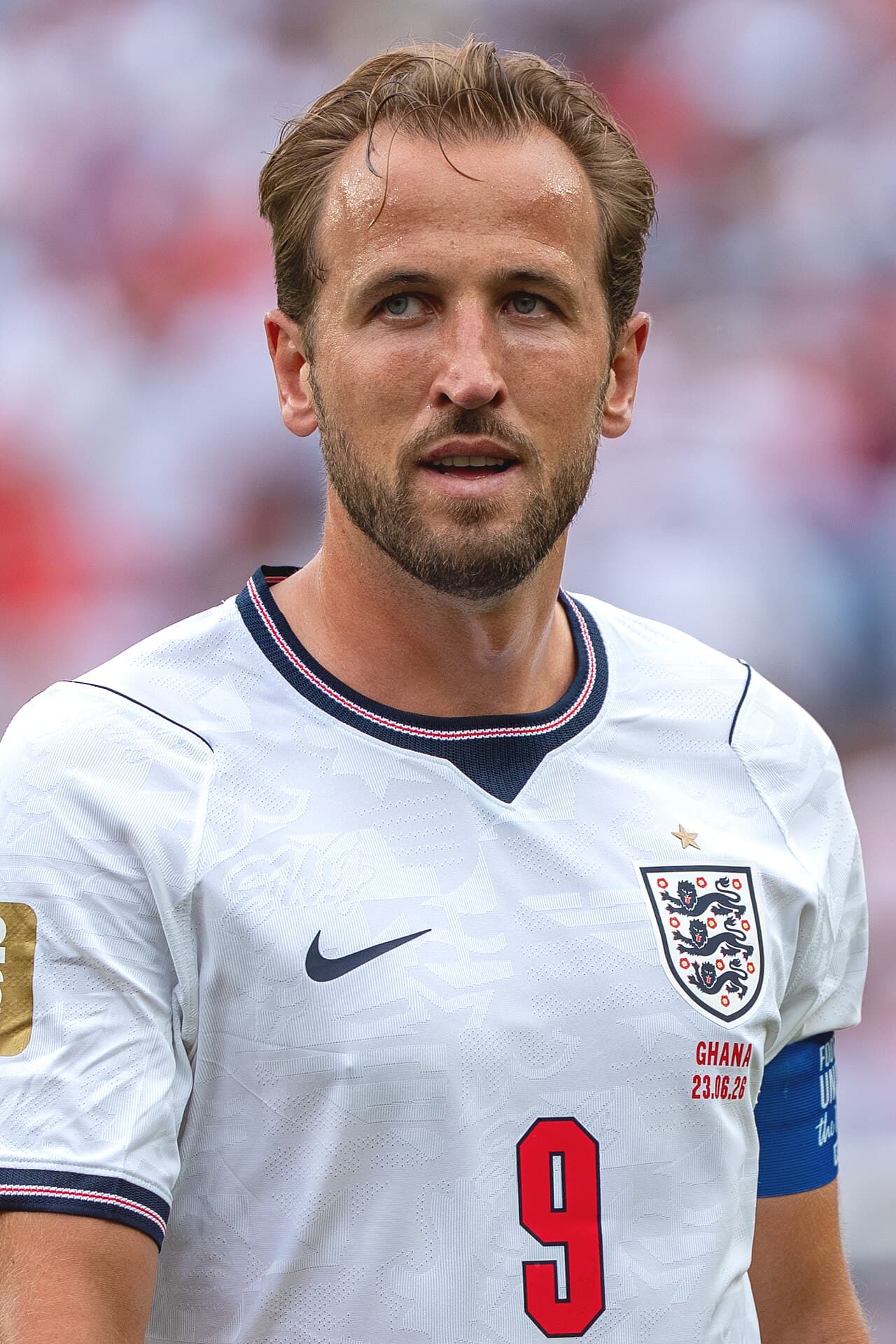
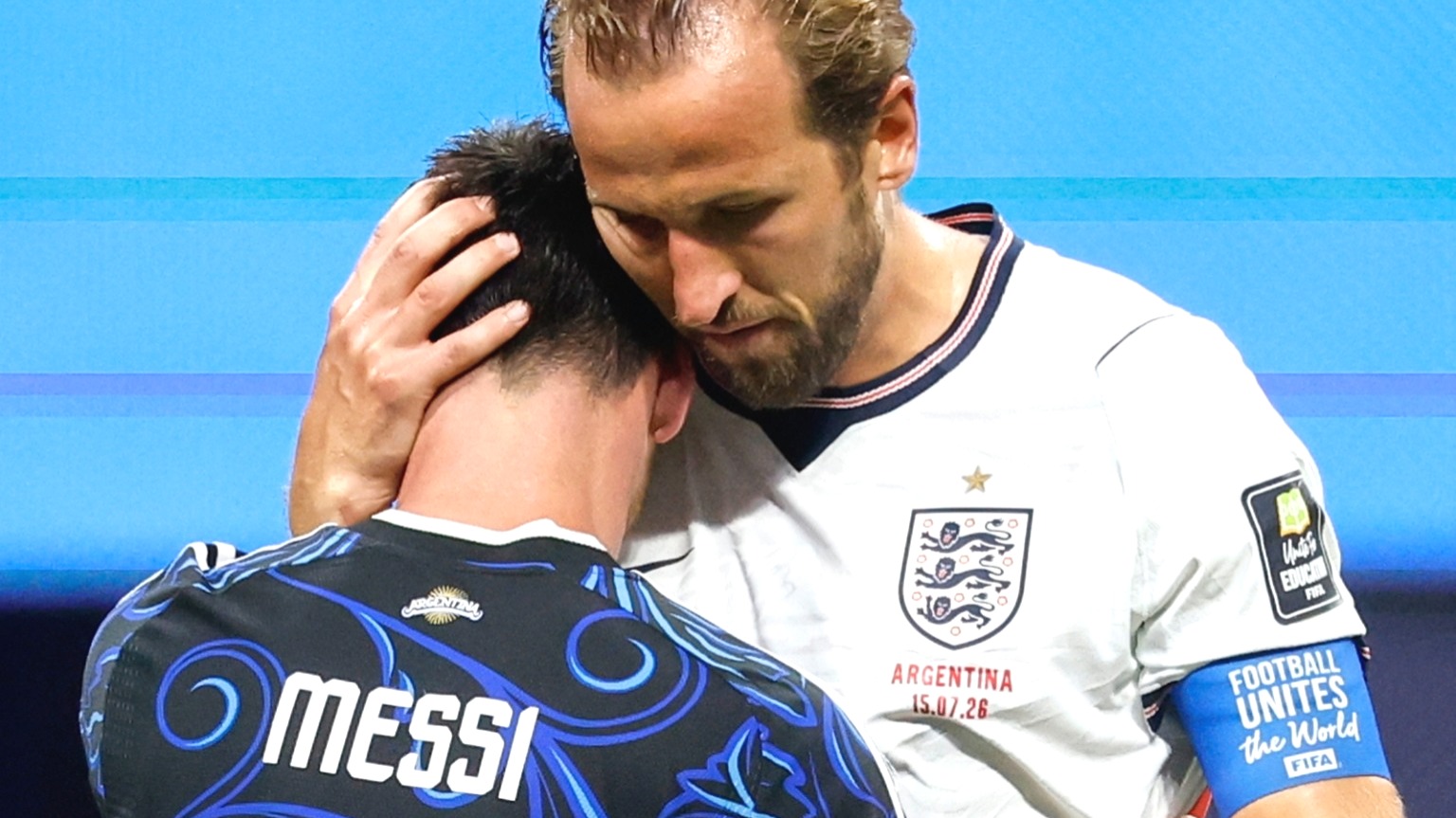
Even after two decades of playing at the highest level, winning almost every trophy the sport has to offer, this win still meant something deeply personal to him. Before leaving the field, Messi hugged England captain Harry Kane, spoke briefly with defender John Stones, and comforted manager Thomas Tuchel. It was a small gesture, but it showed the respect players have for each other, even in the middle of intense competition.
Where England Went Wrong
For England, this loss will sting for a long time. Manager Thomas Tuchel made defensive changes late in the game, bringing on players meant to protect the lead. On paper, this seemed like a smart decision. Many teams do this when leading in a big match. But the problem was not really the plan itself. The bigger issue was how England’s players carried it out.
When Argentina brought fresh legs into the attack and pushed forward with urgency, England seemed to freeze. Their players sat too deep, stayed too close together, and struggled to win the ball back. Two of England’s own defenders, John Stones and Dan Burn, often ended up standing near each other instead of covering separate areas, which hurt their defensive shape.
Both of Argentina’s goals came from mistakes in marking. Fernandez was left alone at the edge of the box during the corner, and no one closed him down in time. Then, for the second goal, Martinez managed to jump higher than Stones, who is usually strong in the air, to head home the winner.
Tuchel later spoke about the difficulty of the situation. He said that his team suddenly played as if they had too much to lose, which made them drop deeper and struggle to compete for the ball. He also took responsibility, saying that since he made the substitutions, he accepted the blame that came with the result.
This wasn’t just about one bad decision. It reflected a bigger pattern with the England team. Over the past several years, they have lost in the semifinals of the World Cup on more than one occasion, along with painful defeats in European Championship finals. Many football fans and experts have pointed out that England often has excellent individual players, but sometimes lacks that extra push needed to close out big matches when it matters most.
Messi Leads the Golden Boot Race
Beyond the result itself, Messi’s performance had another big effect. Thanks to his two assists against England, he now sits at the top of the Golden Boot race for the tournament. He has scored eight goals and provided four assists so far. French striker Kylian Mbappe also has eight goals, but with only two assists, Messi holds a slight edge for now.
Both players still have one more match to increase their tallies. Mbappe’s France will play England in the third-place match, while Messi’s Argentina will take on Spain in the final. Norway’s Erling Haaland sits third on the list with seven goals but has no more chances to add to his total since his team was eliminated in the quarterfinals.
Messi has played every single minute of Argentina’s four knockout matches in this tournament. He scored important goals during tight wins against Cape Verde and Egypt, and provided a key assist during the win over Switzerland in the quarterfinals. His two assists against England pushed his overall World Cup assist tally to 12, tying him for the most in the tournament’s long history. Combined with his 21 career World Cup goals, Messi continues to add to what is already one of the greatest records in football.
A Story Written in Big Moments
What makes this win stand out is not just the scoreline, but the timing of it all. Argentina looked like they were heading toward a heartbreaking exit, similar to some of their past struggles. Instead, they found a way to fight back exactly when it mattered most.
This has become something of a pattern for this Argentina team. Whether it was their tense win over Egypt or their extra-time battle against Switzerland, they have shown again and again that they can find something extra when things look difficult. It is almost as if adversity brings out their best form.
For Messi personally, this moment adds another chapter to an already incredible career. He has already won almost everything the sport has to offer, including a previous World Cup title. Yet, the emotion he showed after this game proved that these moments still carry huge weight for him.
Argentina will now prepare to face Spain in the World Cup final, hoping to defend their title from four years ago. Meanwhile, England will take on France in the third-place match, a game that will decide who finishes third and fourth in the tournament.
For England, the disappointment of this semifinal loss will likely stay with the team for a long time. For Argentina, and especially for Messi, the focus will now shift to preparing for one final push toward the trophy.
Football often creates moments that stay in memory for years, and this semifinal certainly falls into that category. A quiet first half turned into a dramatic finish, driven largely by the vision and skill of one player who continues to shape how the game is played, even after twenty years at the top level.