
ISL Charter Finalized: Here’s What the New Governance Structure Means for Indian Football
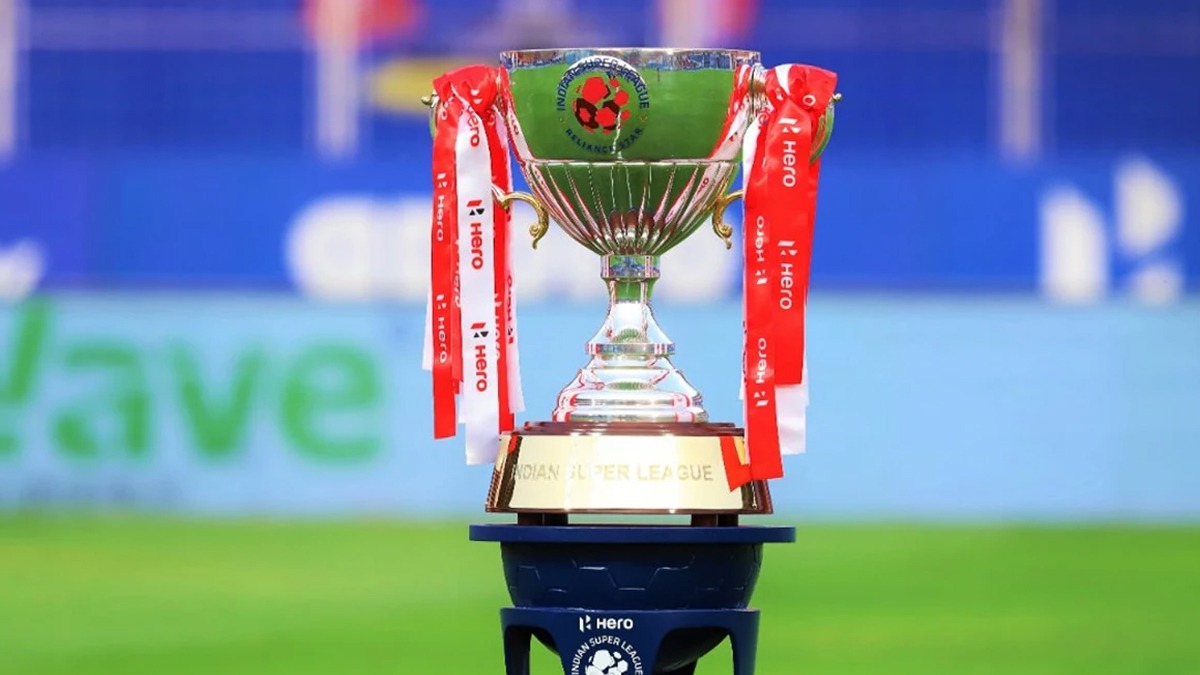
The All India Football Federation (AIFF) has finalized the charter for how the Indian Super League (ISL) will be governed starting from the 2026-27 season. The charter was officially finalized on Tuesday, January 14, 2026, and has now been sent to all participating clubs for their feedback and comments. This new charter marks a significant change in how India’s top football league will operate for the next 20 seasons.
The governance structure creates a clear system with two main bodies working together to oversee the league. The charter represents months of planning and careful thought about what structure will work best for Indian professional football. With the 2025-26 season set to start on February 14, 2026, teams are already preparing for the changes that this new charter will bring.
What Are the Two Main Bodies?
The new charter creates two different bodies that will work together to run the ISL. The first is called the Governing Council, which will be the top body that makes big decisions. The second is called the Management Committee, which will handle the daily operations of the league.
This two-level system means that big decisions are made at one level, while smaller daily decisions are made at another level. Think of it like a company where the board of directors makes major decisions while the managers handle everyday business.
The Governing Council: The Top Authority
The Governing Council is the highest level of decision-making in the ISL. This body will make all the important decisions about the league’s direction and rules. The council will have a total of 22 members.
The AIFF President or the AIFF Vice President will chair this council. Alongside them will be the AIFF Secretary General and the AIFF Treasurer. These are the top officials from the football federation who will oversee the council’s work.
Each of the 14 ISL clubs will have one representative on the Governing Council. This means that all clubs get a voice in the big decisions affecting the league. Additionally, the commercial partner for the league (the company that buys broadcasting and sponsorship rights) will have 3 representatives on the council.
The final two members will be independent members. One of these independent members will be nominated by the AIFF, while the other will be nominated by the clubs. These independent members act as neutral voices to help keep the process fair and balanced.
What Will the Governing Council Do?
The Governing Council will be responsible for several important tasks. First, it will supervise the Management Committee to make sure it is doing its job properly. The council will review the Management Committee’s work and step in if there are any problems.
Second, the Governing Council will review and intervene in important matters. These include issues of ISL governance, checking that the right procedures have been followed when buying materials or services, handling cases where teams or people are not following the rules, and approving important programs that will affect the clubs.
The council will also approve the season plan and the yearly budget for the league well before each season starts. This gives clubs and other organizations time to plan their work based on what they know about the league’s budget and plans.
All decisions made by the Governing Council will be made by simple majority voting. However, there is one important rule: at least two votes in favor must come from AIFF members. This means the AIFF has significant power in major decisions.
The Management Committee: Running Daily Operations
While the Governing Council makes big decisions, the Management Committee handles the league’s day-to-day operations. This is the body that makes sure matches happen on time, sponsorship money comes in, and all the small details that keep the league running smoothly.
The Management Committee will have at least 11 members. The chair of this committee will be the AIFF Secretary General or the AIFF Deputy Secretary General. This ensures that the federation maintains a leadership role in daily operations.
Beyond the chair, the committee will include the AIFF Head of Competitions and the AIFF Head of Strategy. These are technical experts who understand how to run football competitions.
The committee will also have 5 representatives from the clubs. Of these 5 club representatives, 3 will be elected by the clubs through a simple majority vote. This means all clubs get to vote on who represents them on the committee.
The other 2 club representative spots are reserved for the teams that finished first and second in the regular season from the previous year. For the 2025-26 season, these spots will go to Mohun Bagan Super Giant (who are the defending champions) and FC Goa (who finished second). These spots can change every year depending on which teams finish in the top two positions.
Finally, the commercial partner will have 3 representatives on the Management Committee, just as they do on the Governing Council.
What Will the Management Committee Do?
The Management Committee will be responsible for many operational tasks. It will handle match operations and make sure all games are organized properly. It will also manage the relationship between the league and all the different stakeholders, including clubs and broadcasters.
The committee will take care of sponsorship matters and commercial activities for the league. It will prepare the yearly budget for the league. Additionally, it will oversee financial management and make sure all the money is spent wisely within the approved budget.
The Management Committee will also ensure that the league follows all the rules set by the AIFF, the AFC (Asian Football Confederation), and FIFA (the world football governing body).
How Different Decisions Are Made
Not all decisions are made the same way. The charter establishes different voting rules for different types of decisions based on how important they are.
For simple operational decisions, the Management Committee only needs a simple majority vote. However, for bigger commercial decisions, the rules are stricter.
Any agreement that involves more than 1 crore rupees or lasts longer than three years will need a simple majority vote plus at least one vote from an AIFF member. This rule applies to broadcast deals as well. If the committee wants to spend more than 10 percent more money than was approved in the budget, this also needs a simple majority vote plus one AIFF vote.
The most important decisions about money distribution face the strictest requirements. If the committee wants to decide how to distribute the central revenue pool or allocate prize money, this decision needs approval from 75 percent of the committee members who are present and voting. Additionally, at least two votes from AIFF members are required. This makes sure that the biggest financial decisions are made very carefully.
Term Length and Rotation System
All members of the Governing Council and Management Committee will serve for three ISL seasons. This means a person will serve until three seasons have been completed, then their position ends.
However, there is an important rule for club representatives. A club representative cannot serve on the committee for two terms in a row. If they serve for three seasons, they must wait for at least three more seasons before they can serve again. This cooling-off period ensures that power and positions rotate among clubs and prevents any single club from dominating the committee.
This rule does not apply to AIFF members or independent members. They can continue to serve without needing a cooling-off period between terms.
What Happens When Clubs Are Promoted or Relegated?
One important change in Indian football is that promotion and relegation have been brought back. This means that teams that finish at the bottom of the league can be moved down to a lower division, while top teams from lower divisions can be moved up to the ISL.
This change affects the governance structure. If a club is relegated from the ISL, the representative from that club will automatically lose their position on both the Governing Council and the Management Committee. However, if a club is promoted to the ISL, they can have a representative join the council for the rest of the term.
What Decisions Can Only AIFF Make?
The charter makes clear that AIFF has exclusive power over certain areas. The federation can make decisions about the league format and overall structure. Only AIFF can decide how many clubs will play in the league or whether to expand or shrink the number of teams.
AIFF also maintains power over the league rules and regulations, including the Laws of the Game. The federation will appoint and manage all referees and match officials. Additionally, AIFF has power over all matters related to discipline, integrity, and testing for illegal drugs.
These are areas where AIFF will not share power with clubs or the commercial partner. The federation retains these powers to maintain standards and ensure the league follows international guidelines.
Club Representation and Power
All 14 ISL clubs will have a voice in the ISL governance through this structure. Each club gets a representative on the Governing Council, which means they have a say in major decisions about the league. Each club also gets to participate in elections for three of the five club spots on the Management Committee.
Additionally, the two top-finishing teams each year get automatic representation on the Management Committee. This rewards teams that perform well on the field by giving them a greater role in league decisions.
Club Responsibilities
Under the new structure, clubs will need to participate in the governance process. They will need to nominate their representatives, participate in elections, and engage in the decision-making process. This is a new responsibility for Indian football clubs.
Impact on Club Operations
The Management Committee’s responsibility for sponsorship and budget matters means that clubs will need to work closely with the committee on financial issues. The committee will also oversee compliance with AIFF, AFC, and FIFA regulations, so clubs will need to ensure they follow all these rules.
For Indian football, this charter represents a step toward professional, transparent governance. As the ISL moves forward under this new structure, it will operate with more clarity and organization than before. All stakeholders, AIFF, clubs, the commercial partner, and ultimately the supporters of Indian football, can now understand how the league will be governed and what role they play in that governance.