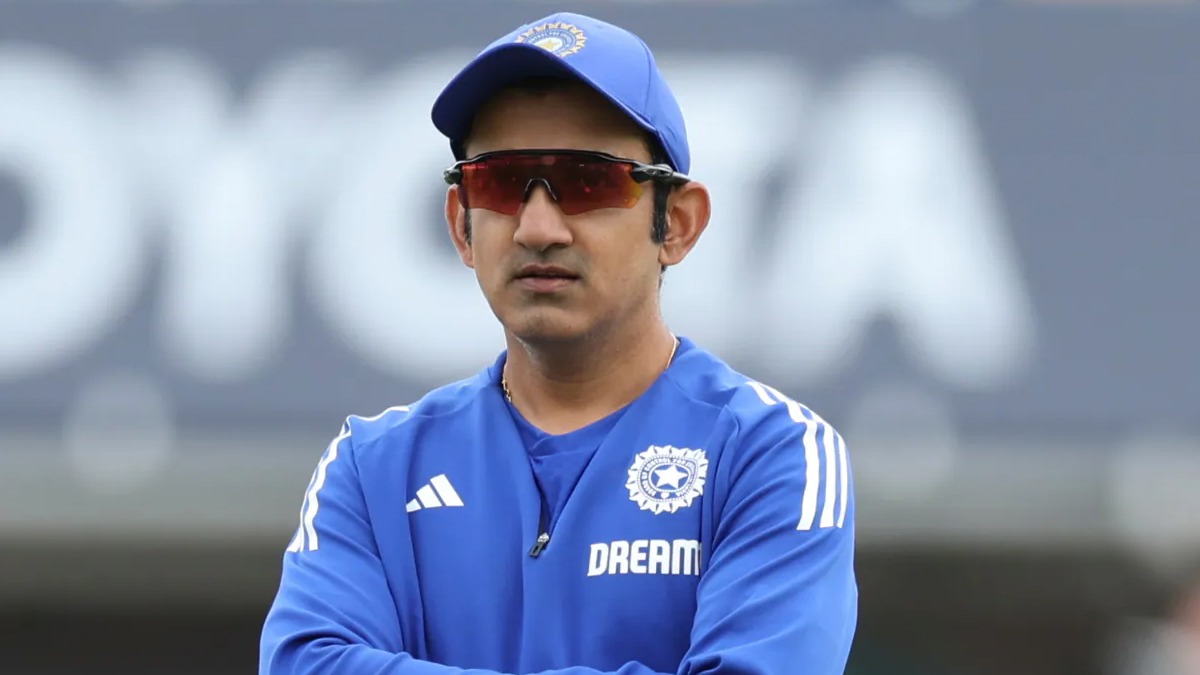
Indian Team Head Coach Gautam Gambhir is in radar once and many ex players, coaches and officials have raised concern regarding how he is taking steps.
Based on latest developments, Coach Gautam Gambhir and Star Players- Rohit Sharma and Virat Kohli are not even in proper talking terms.
There are so many steps taken which include- Harshit Rana constantly playing in all formats irrespective of Mohammad Shami who is doing well but didn’t get inducted in Indian Team.
Shubhman Gill was once touted as all format player have been dropped from T20I cricket for no reason.
Star Commentator, Harsha Bhogle said ” Gautam Gambhir is operating Indian Team like CEO not someone who is coach of Indian team based on his policies as it seems that he is running a company not Indian team”
More Details on it
Indian men’s cricket team head coach Gautam Gambhir has come under increasing scrutiny, with several former players, coaches, and officials reportedly raising concerns about his decision-making style and overall approach to team management. What was expected to be a new era marked by clarity and cohesion is now facing questions, as recent developments suggest growing internal discomfort within the Indian dressing room.
At the centre of the discussion is Gambhir’s leadership style, which many believe is creating visible friction between the coaching staff and senior players. According to the latest developments, Gambhir is not on proper talking terms with two of India’s biggest stars—Rohit Sharma and Virat Kohli. While disagreements between coaches and players are not uncommon in elite sport, strained communication with senior leadership figures can significantly impact team culture and on-field harmony.
Rohit Sharma and Virat Kohli are not just senior cricketers but influential voices within the Indian setup. Any disconnect between the head coach and such players naturally raises concerns about alignment, mutual trust, and shared vision. The absence of effective communication at this level often filters down to the rest of the squad, affecting morale and clarity of roles.
Another move that has left experts puzzled is the exclusion of Shubman Gill from T20I cricket. Gill, once widely regarded as a future all-format player for India, has been dropped from the shortest format without any clearly communicated reason. His omission contradicts earlier narratives around long-term planning and continuity, prompting questions about whether performance metrics or policy shifts are driving selections.
Critics argue that sudden changes without clarity can undermine player confidence. For young players like Gill, who are still shaping their international careers, inconsistent signals from management can be damaging both mentally and professionally.
Harsha Bhogle’s Sharp Observation
Adding further weight to the criticism was a strong remark from renowned commentator Harsha Bhogle. Bhogle observed that Gautam Gambhir appears to be operating the Indian team “like a CEO rather than a coach,” suggesting that the current approach resembles corporate-style management rather than player-centric leadership.
Bhogle’s comment has resonated across the cricketing community. His observation points toward a perception that rigid policies and top-down decision-making are taking precedence over empathy, communication, and flexibility—qualities traditionally associated with successful coaching at the international level.
Cricket, unlike corporate environments, thrives on trust, emotional intelligence, and collaborative leadership. While discipline and structure are essential, experts believe that excessive rigidity can distance players from management, especially in a team as diverse and high-profile as India’s.
Gautam Gambhir’s credentials as a former international cricketer and match-winner are unquestionable. However, transitioning from a strong personal mindset as a player to an inclusive leadership role as a coach requires a different skill set. The current criticism suggests that this balance may not yet have been fully achieved.
Former players have often emphasized that modern coaching is less about authority and more about understanding individual player needs, managing egos, and fostering a culture of open dialogue. When communication gaps emerge—particularly with senior players—it becomes difficult to sustain long-term success.
Indian cricket is at a crucial juncture, with transition phases across formats and a growing pool of talent competing for limited spots. In such times, clarity of vision and consistency in selection are essential. The concerns raised around Gambhir’s methods highlight the need for alignment between coaching philosophy, player expectations, and institutional values.
While it remains early to draw definitive conclusions, the growing chorus of concern suggests that the Indian team management must introspect. Whether it is repairing relationships with senior players, reassessing selection policies, or adopting a more communicative leadership style, corrective steps may be necessary to ensure stability.
Ultimately, the success of any coach is measured not just by results, but by the environment he creates. As scrutiny intensifies, all eyes will be on how Gautam Gambhir navigates this challenging phase and whether Indian cricket can restore unity.