
FIFA World Cup 2026 groups and schedule announced as Italy miss out again
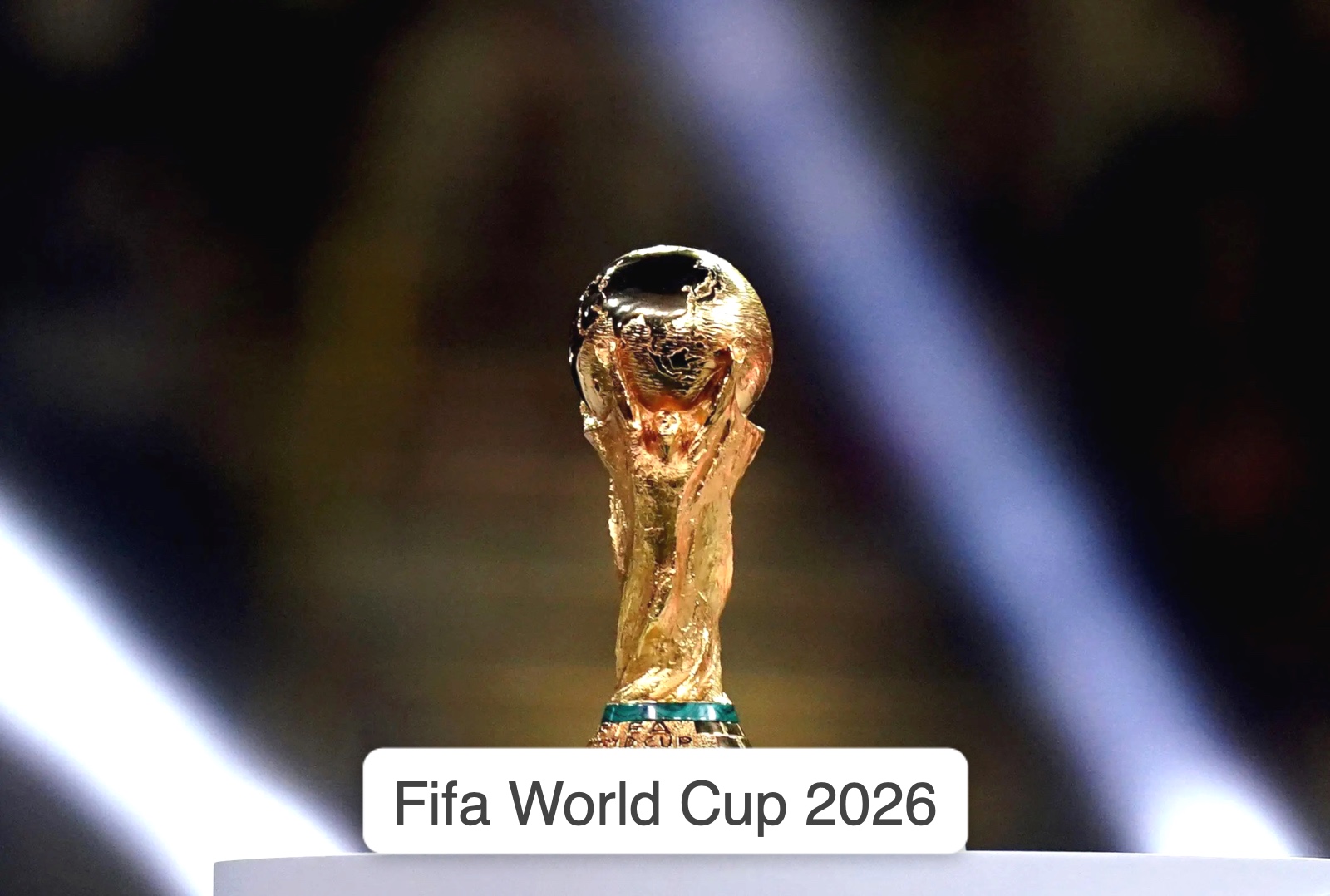
The groups and schedule for the FIFA World Cup 2026 have been announced, confirming a 48-team tournament that will run from June 11 to July 19 across the United States, Canada and Mexico. This edition will be the first World Cup to feature 48 teams and the first to be hosted by three countries, creating a bigger and longer event than ever before. However, one of the biggest early stories is the absence of four-time champions Italy, who have failed to qualify for the third straight time.
Italy’s third straight World Cup absence
Italy, world champions in 1934, 1938, 1982 and 2006, will once again watch the World Cup from home after another painful qualifying exit. They were knocked out by Bosnia-Herzegovina, losing 4-1 on penalties after a 1-1 draw in their qualifying clash. The shootout defeat has denied them a place at a tournament that now offers more slots than any previous edition.
This is the third World Cup in a row that Italy have missed, after failing to reach both the 2018 World Cup in Russia and the 2022 World Cup in Qatar. For a nation with such a rich history and many famous players and coaches, missing another tournament underlines how tough and unforgiving European qualification has become. At the same time, it highlights how other nations, such as Bosnia-Herzegovina, are taking their chances in the expanded format and stepping onto the biggest stage.
Host nations and new 48-team format
The 2026 World Cup will be hosted jointly by the USA, Canada and Mexico, marking the first time that three countries have shared hosting duties. Matches will be played in cities across all three nations, with Mexico City chosen for the opening game and the New York–New Jersey area selected for the final.
The tournament will feature 48 teams divided into 12 groups of four, replacing the 32-team, eight-group format used since 1998. The top two teams from each group, along with the eight best third-placed teams, will qualify for a new Round of 32 before moving on to the Round of 16, quarter-finals, semi-finals and final. This structure means more matches, more cross-continent clashes and more chances for teams from every confederation to progress.
Group A: Mexico headlining the opening pool
Group A is led by co-hosts Mexico, who will kick off the tournament against South Africa on June 11 in Mexico City. The other two teams in the group are South Korea and Czechia, creating a truly international mix.
Mexico, playing on home soil, will aim to start strongly in front of their own supporters in the famous Mexico City stadium. South Africa return to the global stage after their historic hosting of the 2010 World Cup. South Korea, regular qualifiers with a long record of World Cup appearances, bring experience from Asia, while Czechia add European quality and structure.
The group schedule includes:
- June 11: Mexico vs South Africa in Mexico City
- June 11: South Korea vs Czech Republic in Guadalajara
- June 18: Mexico vs South Korea in Guadalajara
- June 25: Czech Republic vs Mexico in Mexico City
These fixtures give Mexico two matches in their capital, which could help them settle quickly into the competition.
Group B: Canada joined by Qatar, Switzerland and Bosnia-Herzegovina
Co-hosts Canada lead Group B and share it with Qatar, Switzerland and Bosnia-Herzegovina. This group brings together a host nation, a recent World Cup host, and two European sides with different football histories.
Canada will open their campaign against Bosnia-Herzegovina in Toronto on June 12. This match will be a historic moment for Canadian football, as the national team begins a home World Cup in front of local fans. Meanwhile, Qatar, who hosted the 2022 World Cup, face Switzerland on June 13 in San Francisco.
A key later match sees Switzerland take on Canada in Vancouver on June 24. With three teams from each group potentially able to reach the knockout stage, every point in this group could prove vital, especially in the closing round of fixtures.
Group C: Brazil and Morocco headline a global mix
Group C features Brazil, Morocco, Haiti and Scotland. Brazil, five-time world champions, open their campaign against Morocco in New Jersey on June 13. This match brings together a South American giant and an African team that impressed at the last World Cup, setting up one of the standout fixtures of the early group stage.
On June 14, Haiti meet Scotland in Boston. Haiti, representing the Caribbean, will aim to make their mark against a European side that has battled through UEFA qualifying. The group stretches across four regions — South America, Africa, the Caribbean and Europe — and that variety should produce very different types of matches and approaches.
Group D: USA, Paraguay, Australia and Turkiye
Group D is led by co-hosts USA, who open against Paraguay in Los Angeles on June 12. This game sets the tone for the group, with the hosts facing South American opposition in front of a large home crowd.
The other two teams in the group, Australia and Türkiye, meet in Vancouver on June 13. Australia bring experience from several straight World Cup appearances, while Türkiye return with a blend of European and Asian influence. On June 19, the USA face Australia in Seattle, in a match that could be crucial to deciding the group’s top positions and possibly seeding for the Round of 32.
Group E: Germany, Curacao, Cote d’Ivoire and Ecuador
Group E includes Germany, Curaçao, Cote d’Ivoire and Ecuador. Germany, one of the most successful countries in World Cup history, begin their campaign against Curaçao in Houston on June 14. For Curacao, this fixture is a huge stage to measure themselves against a former world champion.
Cote d’Ivoire and Ecuador complete the group, adding African and South American strength. Both have experience of big international tournaments and have built reputations for dynamic, physical football. Germany later face Côte d’Ivoire in Toronto on June 20, and that match could play a central role in shaping the final standings in this pool.
Group F: Netherlands, Japan, Tunisia and Sweden
Group F brings together four nations with strong football traditions: the Netherlands, Japan, Tunisia and Sweden. The Netherlands take on Japan in Dallas on June 14, a match that pairs European attacking football with Japan’s quick, well-organized style.
Tunisia and Sweden add more depth and balance to the group. Tunisia have become regulars from Africa, while Sweden carry a long record of appearing at major tournaments. Because the best third-placed teams can also reach the Round of 32, this group may remain open until the final round of fixtures.
Group G: Belgium, Egypt, IR Iran and New Zealand
Group G features Belgium, Egypt, IR Iran and New Zealand. Belgium begin against Egypt in Seattle on June 15. Belgium have been among the top-ranked teams in the world in recent years, while Egypt bring strong support and a history of success in African football.
IR Iran arrive with a record of frequent qualification from Asia, and New Zealand represent Oceania as their confederation’s leading side. Together, these four teams cover four different confederations, giving Group G a truly global feel.
Group H: Spain, Cabo Verde, Saudi Arabia and Uruguay
In Group H, Spain are joined by Cabo Verde, Saudi Arabia and Uruguay. Spain open their campaign against Cabo Verde in Atlanta on June 15, offering the African island nation an early test against one of Europe’s most technically gifted squads.
Saudi Arabia, regular qualifiers from Asia, and Uruguay, two-time world champions, round out a strong group. A key late match sees Uruguay take on Spain in Guadalajara on June 27, which could decide who finishes top and who faces a tougher path in the knockout rounds.
Group I: France, Senegal, Iraq and Norway
Group I includes France, Senegal, Iraq and Norway. France face Senegal in New Jersey on June 16. This match brings together European and African title winners, as both countries have lifted major trophies in recent years.
Norway return to the World Cup with a new generation of players, while Iraq represent Asia in this group. The mix of European, African and Asian styles should make Group I one of the more unpredictable sections of the tournament.
Group J: Argentina, Algeria, Austria and Jordan
Reigning world champions Argentina lead Group J alongside Algeria, Austria and Jordan. Argentina begin their title defence against Algeria in Kansas City on June 17, matching South American champions with one of North Africa’s top national teams.
Austria add European discipline and structure, and Jordan bring West Asian representation to the group. With Argentina in the pool, every match will carry extra focus, as their rivals try to claim a famous result and strengthen their own chances of moving into the Round of 32.
Group K: Portugal, Congo DR, Uzbekistan and Colombia
Group K is anchored by Portugal, with Congo DR, Uzbekistan and Colombia completing the section. Portugal and Colombia are the most established names here, both known for producing strong attacking players and competitive national teams.
Congo DR and Uzbekistan have made the most of the expanded format to earn spots at the finals. Their presence shows how the 48-team structure gives more nations the chance to appear on the global stage and test themselves against traditional powers from Europe and South America.
Group L: England, Croatia, Ghana and Panama
The final group, Group L, contains England, Croatia, Ghana and Panama. England meet Croatia in Dallas on June 17, a pairing that recalls several important meetings between the two countries in recent tournament history.
Later in the group, England face Ghana in Boston on June 26. Ghana’s record at past World Cups, along with Panama’s continued rise from CONCACAF, ensures that this group mixes European, African and North and Central American strength. As in the other groups, the chance for some third-placed teams to advance means that many fixtures may influence the knockout picture.
Knockout rounds and key dates
After the group stage, which runs from June 11 to June 27, the top two teams from each of the 12 groups and the eight best third-placed teams will move into the Round of 32, scheduled from June 28 to July 3 across stadiums in all three host countries. The winners will then progress to the Round of 16, which will take place from July 4 to July 7.
The quarter-finals are set between July 9 and July 11 in Boston, Los Angeles, Miami and Kansas City. The semi-finals will be held on July 14 and 15 in Dallas and Atlanta, followed by the third-place match in Miami on July 18. The final is scheduled for July 19 in New Jersey, closing a 39-day tournament that starts with Mexico vs South Africa in Mexico City on June 11 and ends with a new world champion lifting the trophy in North America.