

A Complete Guide to Athlete’s Diet and Nutrition
‘A healthy outside starts from the inside’. It is often said that a clean diet is like a bank account. Good food choices are lifetime investments. A solid nutritional plan is essential for achieving and maintaining a balanced athletic performance. This is most cases requires the intervention of an expert, to guide the players irrespective of the sport.
In addition to daily meal planning, a sports nutritionist pays special and detailed attention to the needs of athletes before, during and after the training sessions and tournament competitions. An array of food varieties and nutritional products are readily available for an athlete to meet the dietary needs.
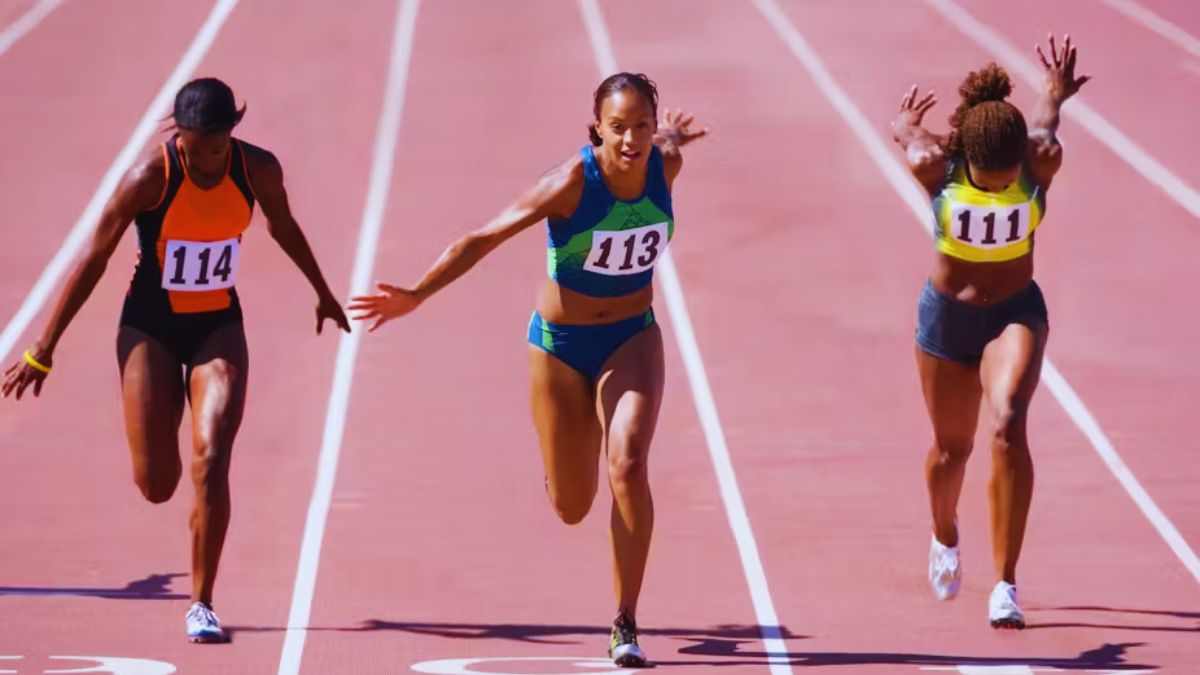
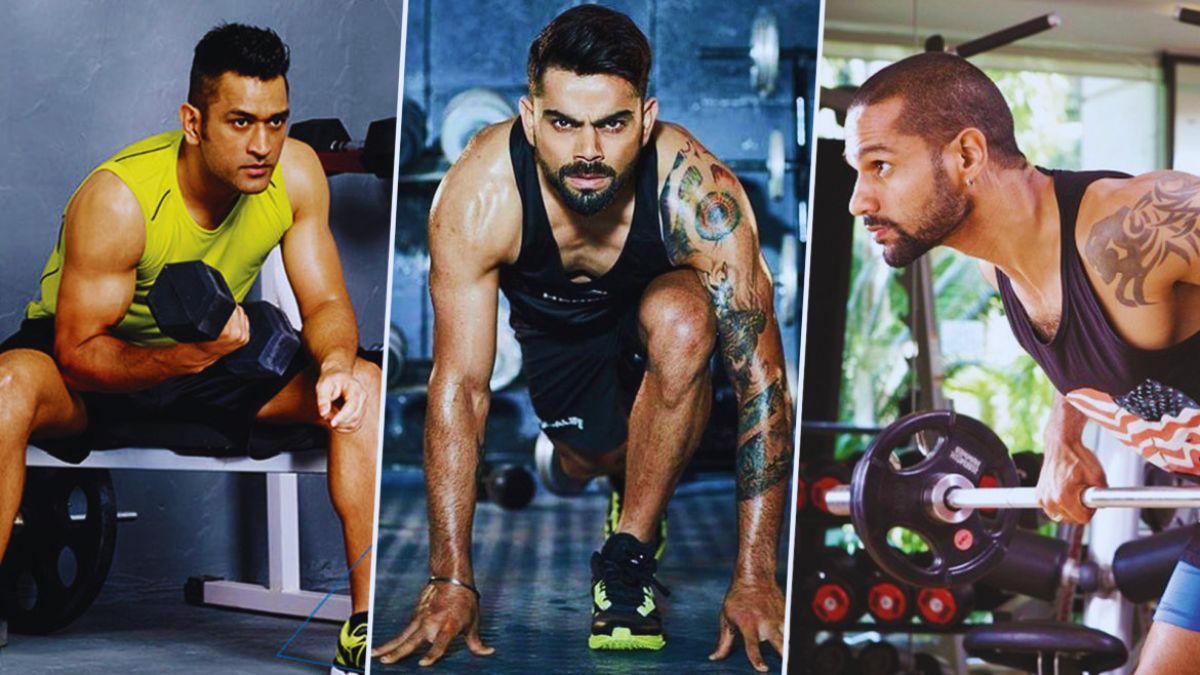
Every athlete strives for an edge over the competition. The intensive daily training and rapid recovery require a comprehensive eating plan, that matches the nature of their strenuous physical demands.

Nutrition, or a healthy, balanced diet, is a key component of a quality-oriented athletic performance at all competitive levels –whether domestic or international. An athlete who isn’t consuming the stipulated nutrient count to offset and utilize the energy productively they use, may develop a relative energy deficiency in sport (RED-S), a condition where an athlete’s health and performance level declines significantly. This condition also puts a sports person at a potential greater risk for catching an injury.
The typical energy needs of athletes exceed those of an average common person. The male and female athletes ideally have their caloric needs exceeding 2,400– 3,000 kcal and 2,200– 2,700 kcal per day, respectively, as calculated and communicated by the WHO.
The Gatorade Sports Science Institute (GSSI) has been tirelessly culminating facts on sports nutrition and sports science researchers together for the last thirty years to address some widely known issues pertaining to the general health, well-being and performance of athletes across a diverse range of sports.
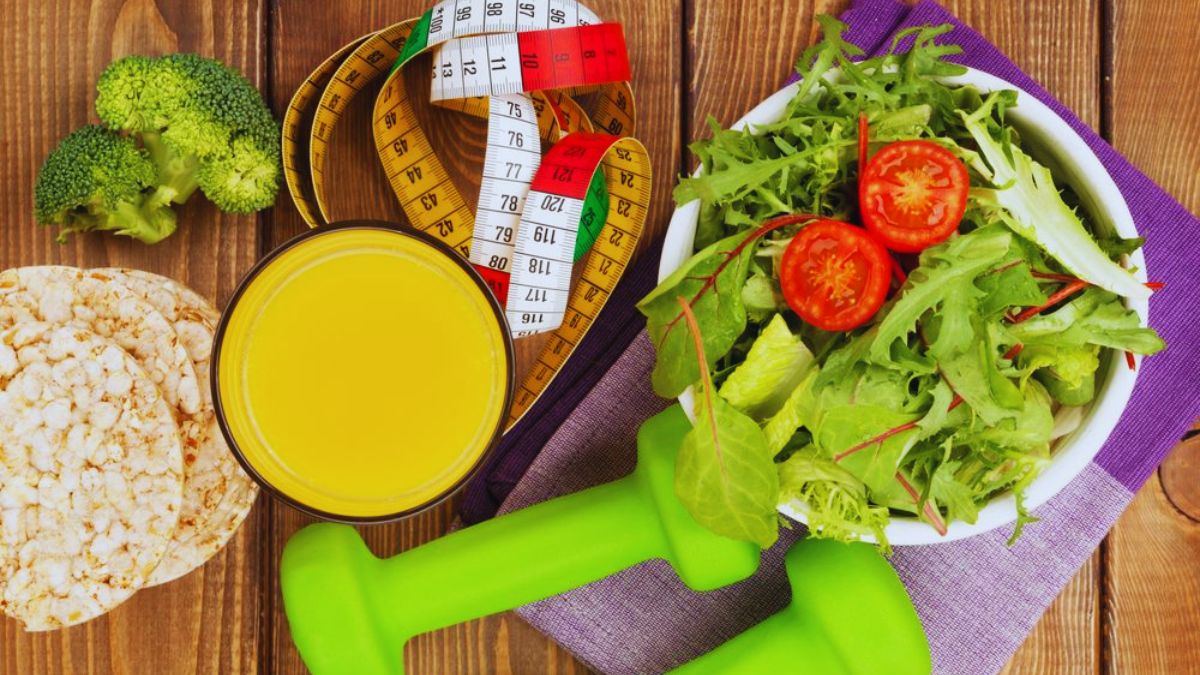
As the experts recommend, there’s no one single best diet for athletes because too many factors affect each athlete’s nutritional needs. There is no ‘one size fits all’ approach that works in the realm of diet and wellness. An athlete’s diet should be similar to that recommended for the general public, but the energy intake is divided as per the macro-nutrient intake requirement:
- 45 to 65% from carbohydrates
- 15 to 25% from protein
- 20 to 35% from fat
Athletes who exercise strenuously for more than 60 to 90 minutes every day may somewhere need to elevate the amount of energy they earn and burn, particularly from the best available carbohydrate sources.
The three primary sources mentioned above are available in abundance and largely determine the lifestyle and agility of any sports person, irrespective of the age and gender. These athletes lay sufficient emphasis on strengthening their immunity, hydration, match performance, pre-workout nutrition and weight management.
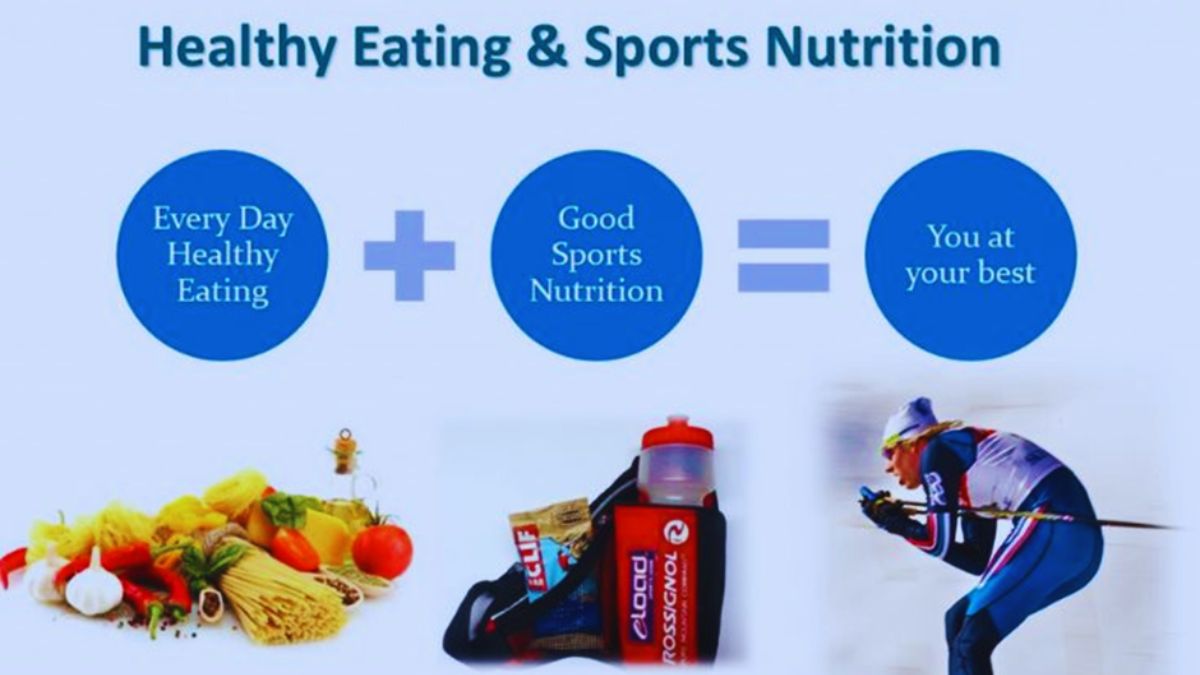
What to Eat:
- Carbohydrates: The main source of energy during any exercise. Athletes should eat more carbohydrates after workouts that last more than 90 minutes. There are abundant sources for obtaining complex carbohydrates – cereals, oats, grains, millets, quinoa, red and brown rice.
- Protein: The building blocks to stay in check, proteins help build muscles and repair the damaged tissues. Athletes can get their protein intake from lean meats, pulses, fish, tofu, and some plant-based foods. Plant-based proteins and mock meats have taken the new age by storm and many players have converted their diet from a non-vegetarian one to one fed by vegetarian choices.
- Fruits and Vegetables: The best and most consumed category. Leafy greens are especially good. The most preferred method is by consuming them in salads, steamed, blanched or grilled – one that keeps an athlete satiated for longer periods.
- Whole Grains: Such as whole-wheat and multi-grain breads and cereals.
- Low-fat Dairy: A good source of calcium and vitamin D.
- Probiotics: They’ve been around for years in various forms, but the gradual shift towards this category off-late has made it a popular segment amongst health-obsessed individuals. The likes of kombucha, kimchi, sauerkraut, kefir, and even the household staple buttermilk can introduce billions of good, cultured gut bacteria into the diet.
Hydration:
- Athletes should drink plenty of fluids before, during, and after exercise to prevent dehydration.
- Healthy and light fluids that are easy to digest provide the required intake for an athlete.
Other Tips:
- Athletes should eat a balanced diet that include vitamins A, C, and E.
- Athletes should avoid junk food, which is really high in calories but low in nutrients.
- The aim must be to consume foods that are low in glycemic index, which has a vastly positive effect on regulating the blood sugar level, cholesterol and manages the weight fluctuations.
Sources:
Performance Nutrition for Athletes – PMC