
17-Year-Old Cricketer Fighting For Life After Balls Hits Neck
A young cricketer is fighting for his life in a Melbourne hospital after being struck in the neck by a cricket ball during warm-up practice before a local T20 match. The 17-year-old rising star was hit at Wally Tew Reserve in Ferntree Gully on Tuesday evening, October 28, 2025, and has been placed on life support at Monash Medical Centre. This tragic incident has brought back painful memories of the Phil Hughes tragedy from 2014 and raised important questions about cricket safety measures.
The Ferntree Gully Cricket Injury Incident
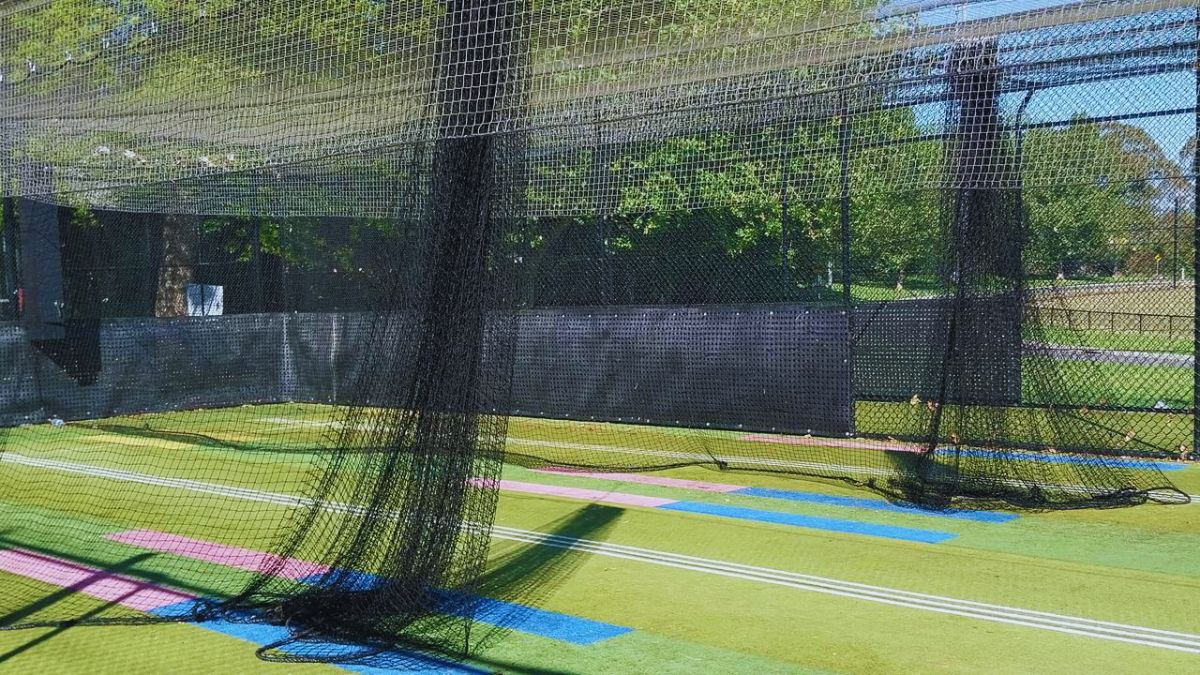
The incident took place just before 5 PM at Wally Tew Reserve in Ferntree Gully during a T20 match between Ferntree Gully and Eildon Park. The 17-year-old player was warming up in the practice nets before the match when he was struck by a cricket ball. According to reports, the teenager was wearing a helmet at the time of the accident. However, the ball hit him in a vulnerable area, causing a critical injury to his neck and head region.
Bystanders and teammates quickly rushed to help the injured player. Someone immediately ran to get a defibrillator from the ground. Paramedics arrived at the scene around 4:45 PM and found the young cricketer in a critical condition. Mobile Intensive Care Ambulance units and Advanced Life Support teams treated him at the ground before transporting him to Monash Medical Centre. The player remains on life support and is receiving care at the hospital.
The match was immediately called off after the accident. Members of the cricket community gathered at Wally Tew Reserve to lay flowers and pay their respects to the injured teenager. The 17-year-old is known as a talented player who has represented his region in various age-level cricket teams. He is also recognized as a skilled junior football player in the local community.
Cricket Victoria, Cricket Australia, and the two clubs involved in the match have been providing support to players and officials affected by this tragic event. The organizations are in contact with the boy’s family during this difficult time. Michael Finn, who is the chair of the Ringwood and District Cricket Association, spoke about the incident. He said, “Currently our thoughts and prayers are with the family. We’re committed to providing whatever support we need to for the clubs and the officials that were involved”.
The cricket community across Australia has been deeply shaken by this incident. Players, coaches, and officials who witnessed the accident have been offered counseling and support services. The welfare of everyone present at the ground that evening remains a priority for the cricket authorities.
The Phil Hughes Tragedy: A Similar Case From 2014
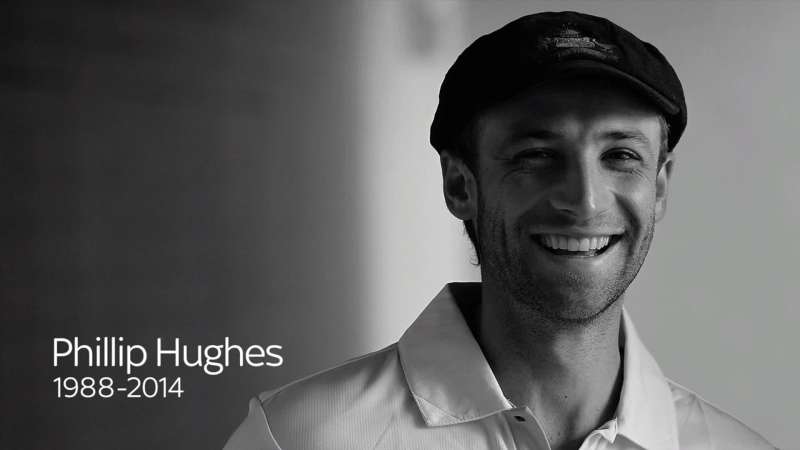
This incident has drawn immediate comparisons to the tragic death of Australian cricketer Phil Hughes in November 2014. Phil Hughes was a 25-year-old Test batsman who died after being struck in the neck by a bouncer during a Sheffield Shield match at the Sydney Cricket Ground. The similarities between both cases are heartbreaking and highlight the rare but serious dangers in cricket.
On November 25, 2014, Phil Hughes was batting for South Australia against New South Wales in a Sheffield Shield match. He was on 63 runs when he tried to play a hook shot against a short ball bowled by Sean Abbott. The ball struck Phil Hughes on the left side of his neck, just below his helmet. He was wearing a helmet that met Australian Standards at that time, but the ball hit an unprotected area below his left ear.
Phil Hughes immediately collapsed on the field after being hit. Medical staff and players quickly provided mouth-to-mouth resuscitation at the ground. He was then rushed to St Vincent’s Hospital in Sydney where doctors performed emergency surgery. Surgeons removed a portion of his skull to allow the brain to expand and reduce pressure. Phil Hughes was placed in an induced coma, but he never regained consciousness. On November 27, 2014, two days after the accident and three days before his 26th birthday, Phil Hughes passed away.
Cricket Safety Measures After Phil Hughes Death
The death of Phil Hughes led to major changes in cricket safety standards around the world. Cricket Australia and the International Cricket Council took several steps to improve player protection. The main focus has been on improving helmet design and making safety equipment mandatory in all forms of cricket.
Following Phil Hughes death, calls were made for improvements to cricket helmets and the introduction of neck guards. However, an independent review released by Cricket Australia in 2016 found something important. The review stated that “The now mandated British Standard helmet would have offered no protection where he was struck. There is limited scientific evidence that current neck guards will prevent a similar tragedy and they must be properly evaluated before they are mandated”.
Despite this finding, cricket authorities decided to strengthen safety requirements anyway. Since the 2019-20 season, all players in Cricket Australia managed competitions must wear helmets that meet the British Standard BS7928:2013 when batting, wicket-keeping up to the stumps, or fielding close to the batter. This standard includes better facial protection with an extended grille that covers more of the face.
As of the 2023-24 season, neck protectors became mandatory for all batters facing fast or medium pace bowling in Cricket Australia sanctioned competitions. These neck protectors must be securely fixed or fitted to the rear of batting helmets. The ICC also updated its standards in 2019 to BS7928:2013 + A1:2019, which includes specifications for neck protectors.
Head and Neck Injuries in Cricket: The Statistics
Research studies have shown that head and neck injuries remain a significant concern in cricket. A study published in 2023 reviewed twelve seasons of clinical data for elite Australian male and female cricket players. The study found that 199 events of head and neck injuries were recorded over twelve seasons. This equals an average of 5.6 head and neck injuries per 100 players per season.
Since the introduction of helmet regulations in 2016, the average number of head and neck injuries actually increased to 7.3 per 100 players per season. The study found that contusions were the most common type of injury, making up 41 percent of all head and neck injuries. The face was the most common location for injuries, accounting for 63 percent of cases. About 15 percent of head and neck injuries resulted in players being unavailable for cricket for one or more days.
However, the study also showed some positive results from helmet regulations. Since helmet regulations were introduced, the proportion of injuries while batting decreased from 54 percent to 38 percent. The proportion of injuries while wicket-keeping decreased from 19 percent to just 6 percent. These numbers show that helmets have helped reduce injuries, but risks still remain.
A systematic review of head, neck and facial injuries in cricket was published in 2022. This review analyzed 29 studies and found that head, neck and facial injuries made up 13 percent of all cricket injuries. The impact of the ball was reported as the most common way that players got these injuries. Facial fractures and concussions were the most common specific types of injuries reported.
The Current Situation
As of now, the 17-year-old cricketer remains on life support at Monash Medical Centre with his family by his side. The cricket community across Australia is praying for his recovery. Cricket Victoria and Cricket Australia continue to provide support to his family, teammates, and everyone affected by the incident.
The cricket community now waits and hopes for the recovery of the young player from Ferntree Gully. His case, like that of Phil Hughes, will likely lead to further discussions about cricket safety and what more can be done to protect players at all levels of the game. While cricket authorities have made great progress since 2014, thi