

World Cup 2023: Television Viewership and Stadium Turnouts Illuminate Resilience of the ODI Format
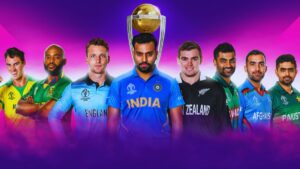
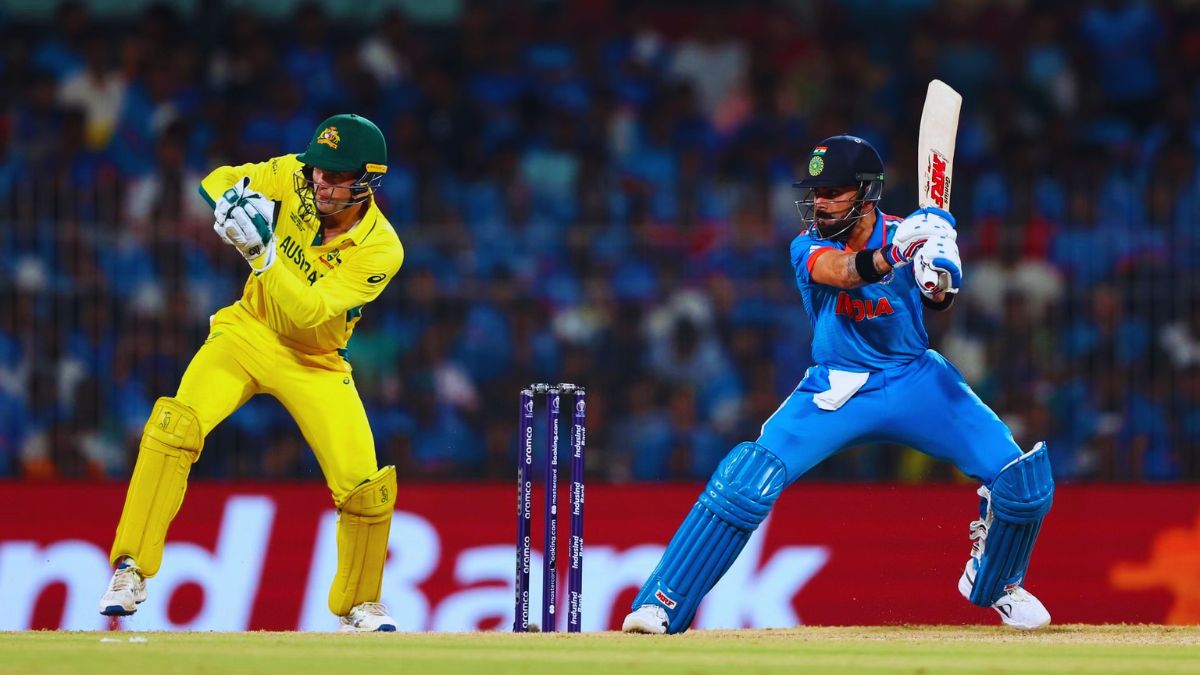
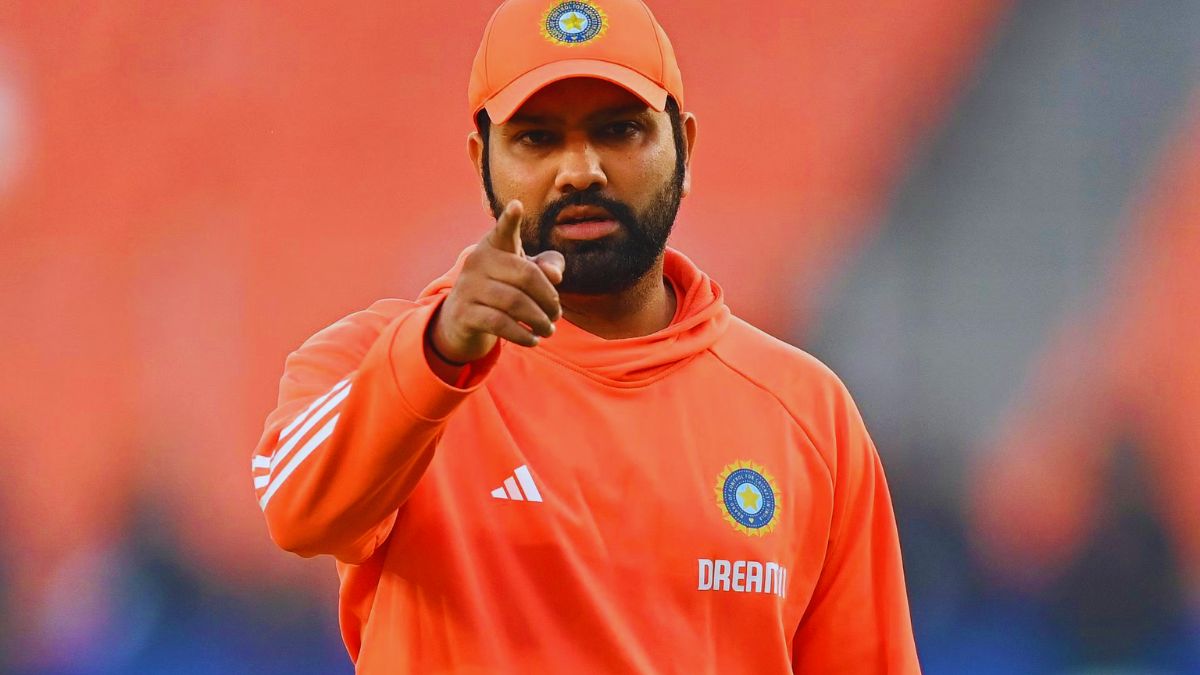
As the ODI World Cup 2023 unfolds in India, the format, often scrutinized for its future, is experiencing a revival, providing the International Cricket Council (ICC) with reasons for optimism. Anurag Dahiya, the ICC’s chief commercial officer, revealed that as of the 35th game of the tournament, television viewership had soared to 500 million, while digital numbers reached unprecedented levels, with expectations to double the overall tally from the 2019 edition.
Also Read: The World Cup 2023: Unveiling Five Unique Facets of Premier Sporting Event
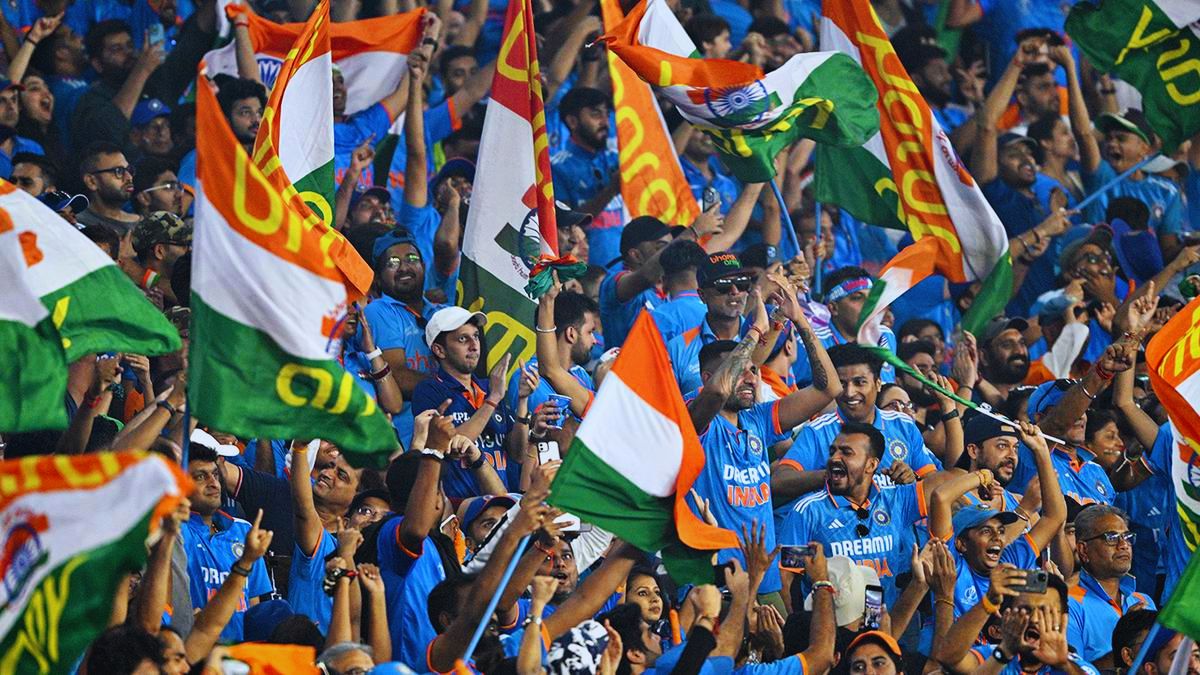
Amid doubts about the 50-over format’s appeal, particularly following successive T20 World Cups, the ongoing ODI World Cup 2023 has shattered apprehensions. Anurag Dahiya emphasized that the engagement on TV has been remarkable, showcasing the enduring popularity of the 50-over game. The tournament’s success is not limited to television consumption, as in-stadia attendance, even for non-India matches, has made the event commercially viable.
Anurag Dahiya expressed delight over the significant turnout at stadiums, emphasizing that the initial concerns about low attendance quickly dissipated. The millionth spectator passing through the turnstiles was a testament to the tournament becoming one of the most well-attended World Cups ever. The focus on matches where India is not playing has been particularly rewarding, creating a vibrant atmosphere irrespective of the teams on the field.
These positive numbers arrive at a crucial juncture for the ICC, especially considering the upcoming eight-year cycle till 2031. Three out of the four 50-over ICC events in this cycle will be hosted in the subcontinent, with the 2025 Champions Trophy in Pakistan, the 2029 edition in India, and the 2031 World Cup jointly hosted by India and Bangladesh. The success of the ongoing World Cup adds weight to the significance of these future tournaments in the subcontinent.
However, challenges persist, especially in the realm of bilateral events. With the World Cup Super League, serving as a qualification pathway, being discontinued, bilateral ODIs face a context deficit. Dahiya acknowledged the need for context in bilateral cricket, drawing parallels with the success of the World Test Championship (WTC) in revitalizing Test cricket.
Addressing the challenge of maintaining vibrancy in bilateral ODI cricket, Dahiya stressed the importance of context and backdrop to ensure sustained interest. The evolving nature of cricket formats and the inventive responses of cricket boards and members indicate a willingness to adapt to challenges, setting the stage for broader discussions on bringing long-term context to bilateral cricket.
The success of the 2023 ODI World Cup not only reaffirms the enduring appeal of the 50-over format but also underscores the potential for strategic innovation in the presentation of bilateral cricket. The ICC’s optimism, fueled by the current tournament’s achievements, paves the way for a dynamic future for ODI cricket, both in the subcontinent and on the global stage.