Why Most Indian Women Feel Safe and Enjoy Playing Pickleball in India
In recent years, Pickleball has quietly emerged as one of the fastest-growing sports across Indian cities. What began as a recreational activity in gated communities and sports clubs has now evolved into a structured sport with leagues, coaching academies, and national-level tournaments. One of the most striking aspects of Pickleball’s rise in India is the strong participation of women across all age groups.
From young professionals to homemakers and even women in their 50s and 60s, Pickleball is being embraced not just as a sport, but as a lifestyle activity that feels safe, welcoming, and enjoyable. Unlike many traditional sports that come with physical barriers, social hesitation, or safety concerns, Pickleball offers an environment where women feel confident stepping onto the court.
Here are the key reasons why most Indian women feel safe and genuinely enjoy playing Pickleball.
1. A Great Game for Socializing and Building Community
One of the biggest reasons Pickleball resonates with Indian women is its strong social element. The game is easy to understand, quick to learn, and does not require years of technical training to start enjoying rallies. This low learning curve allows women to feel included from day one, regardless of their sporting background.
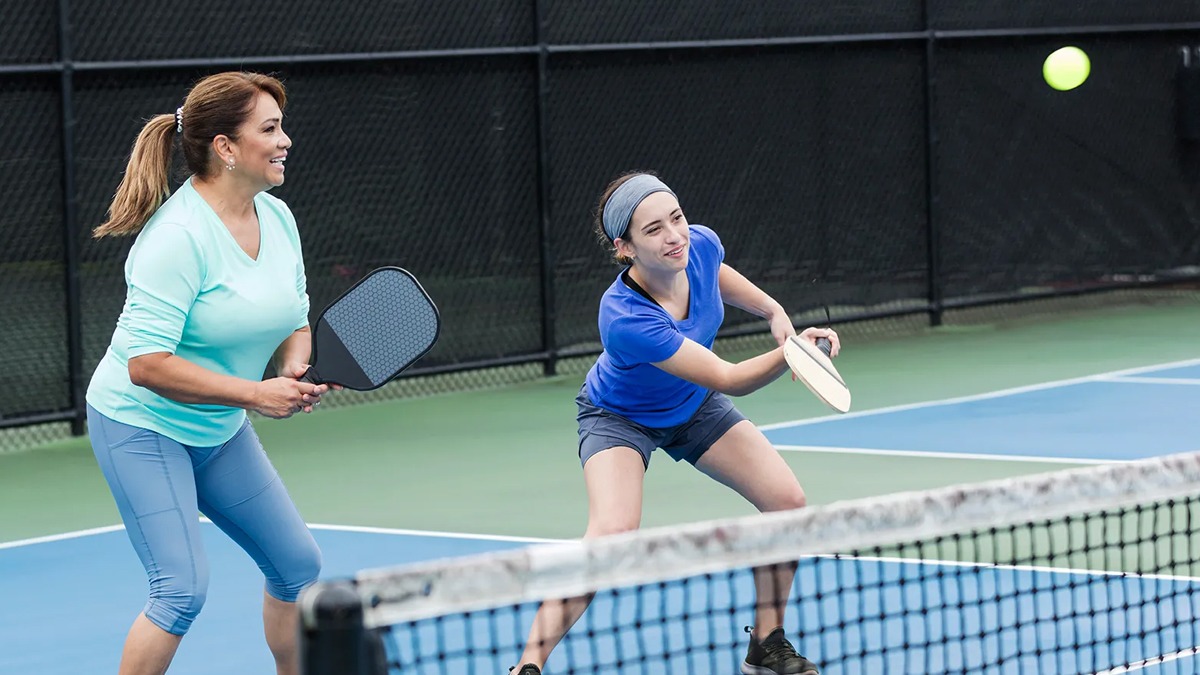
Pickleball courts naturally encourage interaction. Doubles matches are more common than singles, which means players are constantly communicating, laughing, and supporting each other. For many women, especially those who are new to sports, this removes the fear of judgment or underperformance.
In Indian cities where social lives often revolve around work, family, or limited friend circles, Pickleball becomes a shared space to form new friendships. Women meet others from similar life stages—working professionals, mothers, entrepreneurs, or retirees—and build meaningful connections through the sport. Over time, these on-court interactions turn into off-court friendships, community meetups, and even travel for tournaments.
Unlike competitive environments where performance pressure dominates, Pickleball creates a welcoming culture where participation matters more than perfection.
2. A Powerful Way to Release Mental Pressure and Stress
Indian women, whether homemakers or working professionals, juggle multiple responsibilities daily. Managing careers, households, parenting, and social expectations often leaves very little time for self-care. This is where Pickleball plays a transformative role.
Being on the court offers a mental reset. The fast rallies, quick decision-making, and constant movement force players to stay present in the moment. For an hour or two, worries related to work deadlines, household responsibilities, or personal stress fade into the background.
Pickleball acts as a natural stress reliever without being physically overwhelming. The sport provides enough physical activity to release endorphins while remaining enjoyable rather than exhausting. Many women describe their Pickleball sessions as their “me-time,” a space where they can focus on themselves without guilt.
This balance between physical activity and mental relaxation is one of the biggest reasons women return to the court consistently.
3. An Age-Neutral Sport That Offers Second Chances
One of the most unique aspects of Pickleball is that it is truly age-neutral. In a country where professional sports careers are often decided very early in life, Pickleball breaks the stereotype.
Many Indian women who once dreamed of becoming athletes but couldn’t pursue sports due to societal, financial, or family pressures now find a second opportunity. Pickleball allows players to compete seriously—even professionally—well into their 40s, 50s, and beyond.
With structured coaching, regular practice, and consistency, women can transition from recreational players to competitive athletes. This is a rarity in most sports, where peak performance is limited to younger age groups.
The idea that someone can pick up a paddle at 45 or 50 and still aspire to national or international competition is incredibly empowering. It shifts the narrative from “missed opportunity” to “new beginning,” which resonates deeply with many women.
4. Lower Injury Risk and a Safer Playing Environment
Safety is a major concern for women when choosing any sport, and Pickleball addresses this effectively. The kitchen rule, which prevents players from volleying too close to the net, reduces aggressive smashes and high-impact shots. This lowers the speed and intensity of the ball exchange, making the game safer for all participants.
Pickleball is also a non-contact sport, eliminating risks associated with physical collisions. The smaller court size means less running and reduced strain on joints compared to sports like badminton, tennis, or squash.
Because the movements are controlled and the pace can be adjusted, women of varying fitness levels can play comfortably without constant fear of injury. This sense of physical safety encourages consistent participation, which is crucial for long-term engagement.
Final Perspective: More Than Just a Sport
Pickleball in India is becoming much more than a recreational trend—it is evolving into a safe, inclusive, and empowering space for women. Its social nature, mental health benefits, age-neutral opportunities, and lower injury risks make it uniquely suited to the needs of Indian women today.
At a time when women are actively seeking balance, community, and self-expression, Pickleball offers all three within a single court. It is not just about winning points, but about rediscovering confidence, joy, and a sense of belonging.
As more women pick up the paddle, Pickleball is quietly redefining what sports participation looks like in India—accessible, safe, and enjoyable for everyone.
| Section | Details |
|---|---|
| Topic | Why Most Indian Women Feel Safe and Enjoy Playing Pickleball in India |
| Background | Pickleball has emerged as one of the fastest-growing sports across Indian cities. What started in gated communities and sports clubs has now evolved into a structured sport with leagues, coaching academies, and national-level tournaments. |
| Women Participation | Strong participation of women across all age groups, including young professionals, homemakers, and women in their 50s and 60s. |
| Overall Appeal | Pickleball is embraced not just as a sport but as a lifestyle activity that feels safe, welcoming, and enjoyable. |
| Key Reason 1 | A Great Game for Socializing and Building Community |
| Ease of Learning | The game is easy to understand, quick to learn, and does not require years of technical training, allowing women to feel included from day one. |
| Social Interaction | Doubles matches are more common, encouraging constant communication, laughter, and mutual support on the court. |
| Judgment-Free Environment | Removes fear of judgment or underperformance, especially for women new to sports. |
| Community Building | Helps women form new friendships with working professionals, mothers, entrepreneurs, and retirees, often extending beyond the court into community meetups and travel for tournaments. |
| Culture of Play | Participation matters more than perfection, creating a welcoming and inclusive culture. |
| Key Reason 2 | A Powerful Way to Release Mental Pressure and Stress |
| Daily Challenges | Indian women manage careers, households, parenting, and social expectations, leaving little time for self-care. |
| Mental Reset | Fast rallies and constant movement help players stay present, allowing them to forget daily worries for one or two hours. |
| Stress Relief | Acts as a natural stress reliever without being physically overwhelming. |
| Emotional Benefit | Many women consider Pickleball as their “me-time,” helping them focus on themselves without guilt. |
| Consistency Factor | The balance between physical activity and mental relaxation encourages regular participation. |
| Key Reason 3 | An Age-Neutral Sport That Offers Second Chances |
| Age Inclusivity | Pickleball is truly age-neutral and challenges the idea that sports careers must start early. |
| Second Opportunity | Women who couldn’t pursue sports earlier due to societal, financial, or family pressures find a new chance. |
| Competitive Scope | Allows women to compete seriously, even professionally, in their 40s, 50s, and beyond. |
| Skill Development | With structured coaching, regular practice, and consistency, recreational players can become competitive athletes. |
| Empowerment | Shifts the mindset from “missed opportunity” to “new beginning.” |
| Key Reason 4 | Lower Injury Risk and a Safer Playing Environment |
| Kitchen Rule | Prevents volleying too close to the net, reducing aggressive smashes and high-impact shots. |
| Safety Advantage | Lower speed and intensity of ball exchange make the game safer. |
| Non-Contact Sport | Eliminates risks related to physical collisions. |
| Court Size Benefit | Smaller court size means less running and reduced strain on joints compared to badminton, tennis, or squash. |
| Fitness Inclusivity | Controlled movements and adjustable pace allow women of different fitness levels to play comfortably. |
| Long-Term Engagement | Physical safety encourages consistent and long-term participation. |
| Conclusion | Pickleball in India is evolving into a safe, inclusive, and empowering space for women, offering social connection, mental well-being, age-neutral opportunities, and reduced injury risk. |
| Overall Impact | Redefines sports participation in India as accessible, safe, and enjoyable for everyone, especially women. |