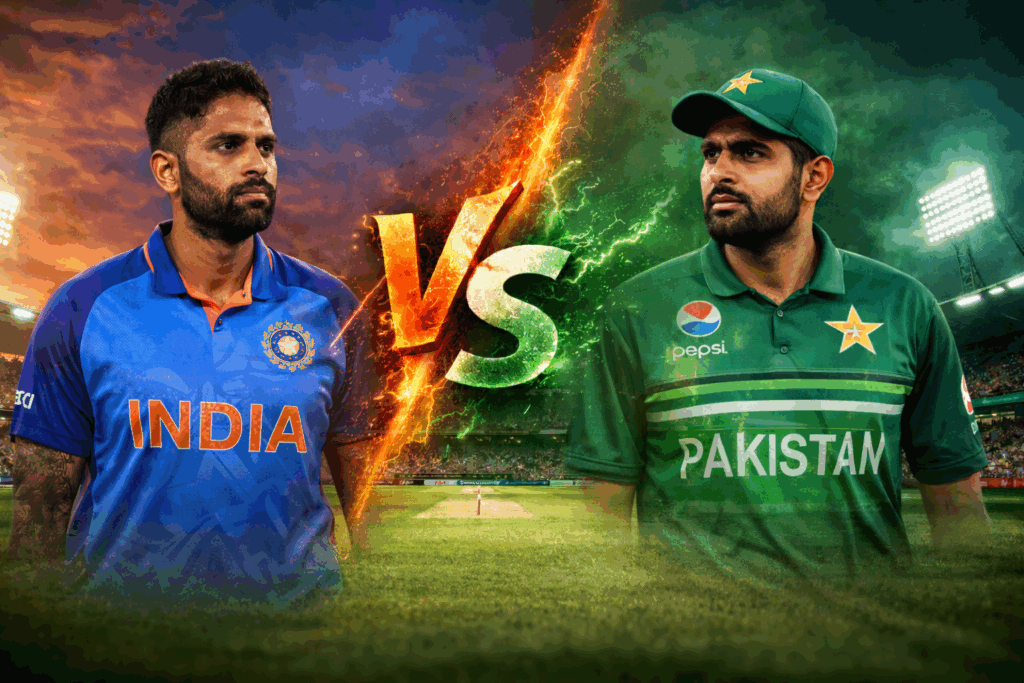
The long-standing cricket rivalry between India and Pakistan has once again moved beyond the boundary lines, with the Board of Control for Cricket in India (BCCI) and the Pakistan Cricket Board (PCB) locked in a complex dispute ahead of the T20 World Cup. The controversy intensified after reports suggested that Pakistan later denied playing India on February 15, a move that has raised sporting, financial, and political questions.
From BCCI’s perspective, India’s stance appears clear and consistent. India is the biggest commercial driver of global cricket. Matches involving India—especially against Pakistan—generate massive revenue through broadcasting rights, sponsorships, ticket sales, and global viewership. The ICC’s financial ecosystem is heavily dependent on these marquee clashes. As a result, BCCI has shown willingness to play Pakistan in ICC events at neutral venues, aligning with ICC schedules and contractual obligations. With India also emerging as strong favorites to win the T20 World Cup based on form, depth, and recent performances, BCCI sees no sporting reason to avoid the fixture.
On the other hand, PCB’s position is shaped by a mix of national sentiment, security considerations, and political pressure. Pakistan has repeatedly argued for equal treatment and respect within global cricket. If Pakistan initially agreed to a February 15 clash and later denied participation, it reflects internal pressures rather than purely cricketing logic. PCB may feel that India enjoys disproportionate influence in ICC decision-making, which often leaves Pakistan negotiating from a weaker position. However, backing out of a confirmed marquee fixture damages PCB’s credibility and weakens its argument for fairness.
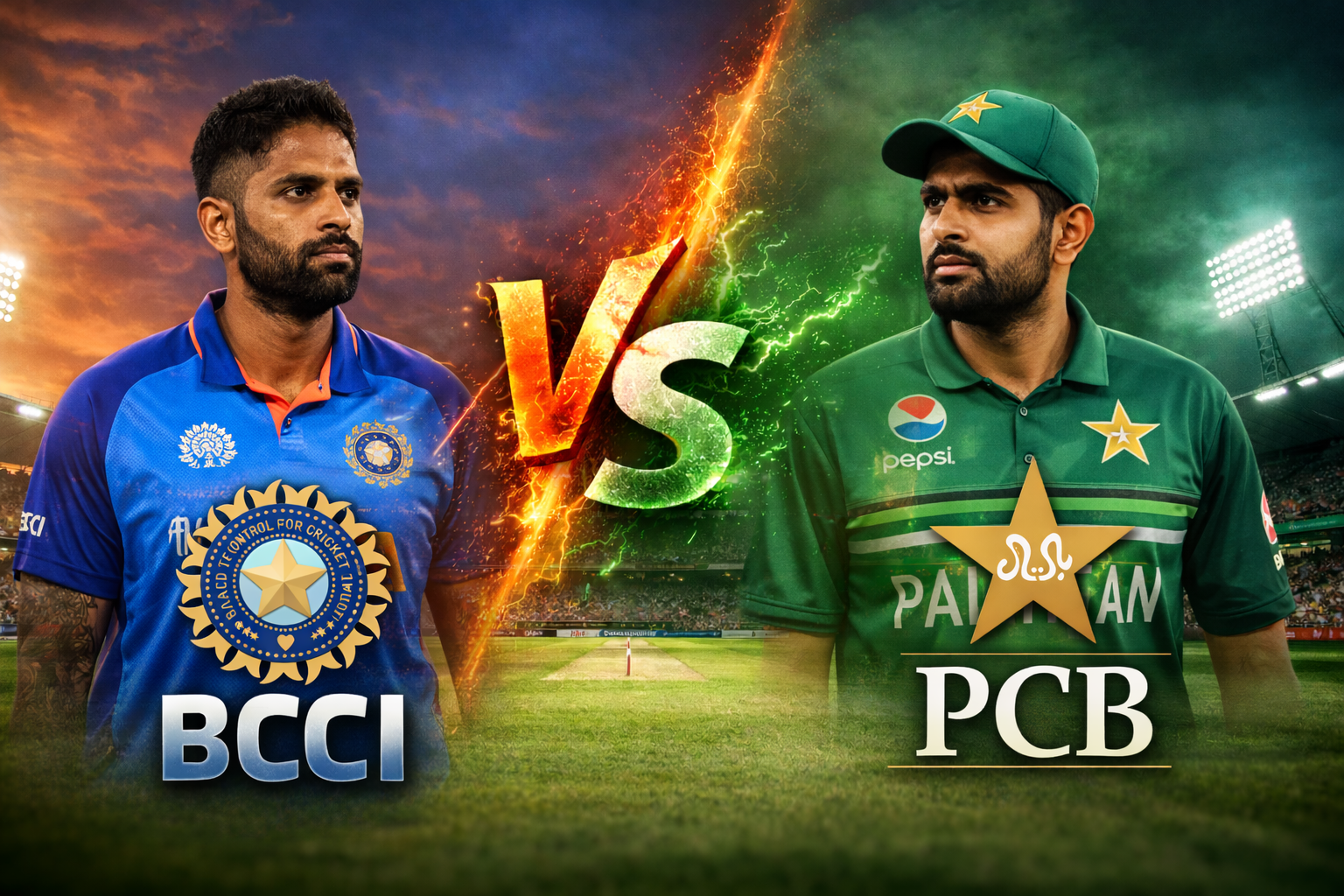
From a neutral standpoint, neither board is entirely right or wrong. BCCI is correct in highlighting the financial implications. A cancelled India-Pakistan match would result in significant losses for broadcasters, sponsors, ICC revenue pools, and even smaller cricketing nations that depend on ICC distributions. It also deprives fans worldwide of cricket’s most anticipated contest.
However, PCB’s concerns cannot be dismissed outright. Cricket between the two nations has never existed in isolation from geopolitics. That said, denying a scheduled match at a late stage appears counterproductive and risks isolating Pakistan further in global cricket.
Ultimately, the biggest loser would be the sport itself. If the match does not happen, it would be a financial setback and a missed opportunity to let cricket, not politics, take center stage. In ICC tournaments, commitments must outweigh conflicts—because the world watches not boards, but the game.