
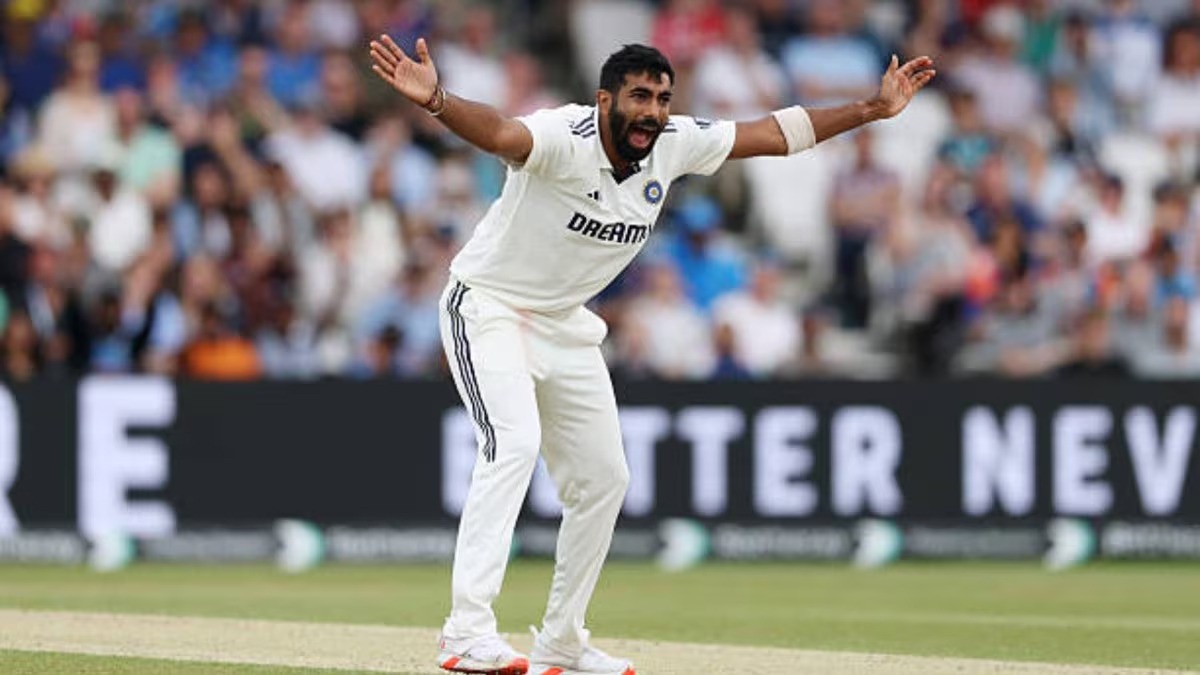
Should Jasprit Bumrah Be Treated As Special Talent: The Asia Cup 2025 Debate
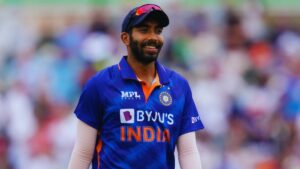
As India kicks off their Asia Cup 2025 campaign against UAE on September 10, the biggest question surrounding the team is not about their opponents but about their star bowler Jasprit Bumrah. Should the pace spearhead play in this relatively low-stakes fixture, or should he be rested for bigger challenges ahead? This ongoing debate highlights a crucial question about modern cricket: should Jasprit Bumrah be treated as special talent, or should he be managed like any other player?
The Impact of Bumrah’s Presence
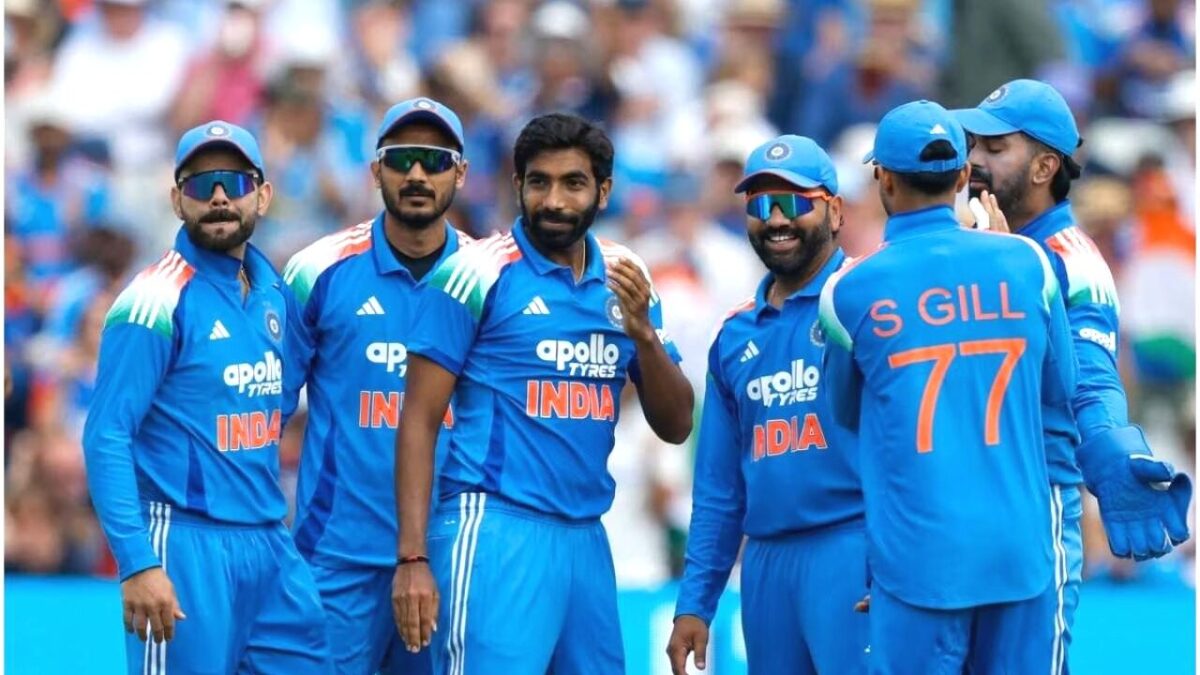
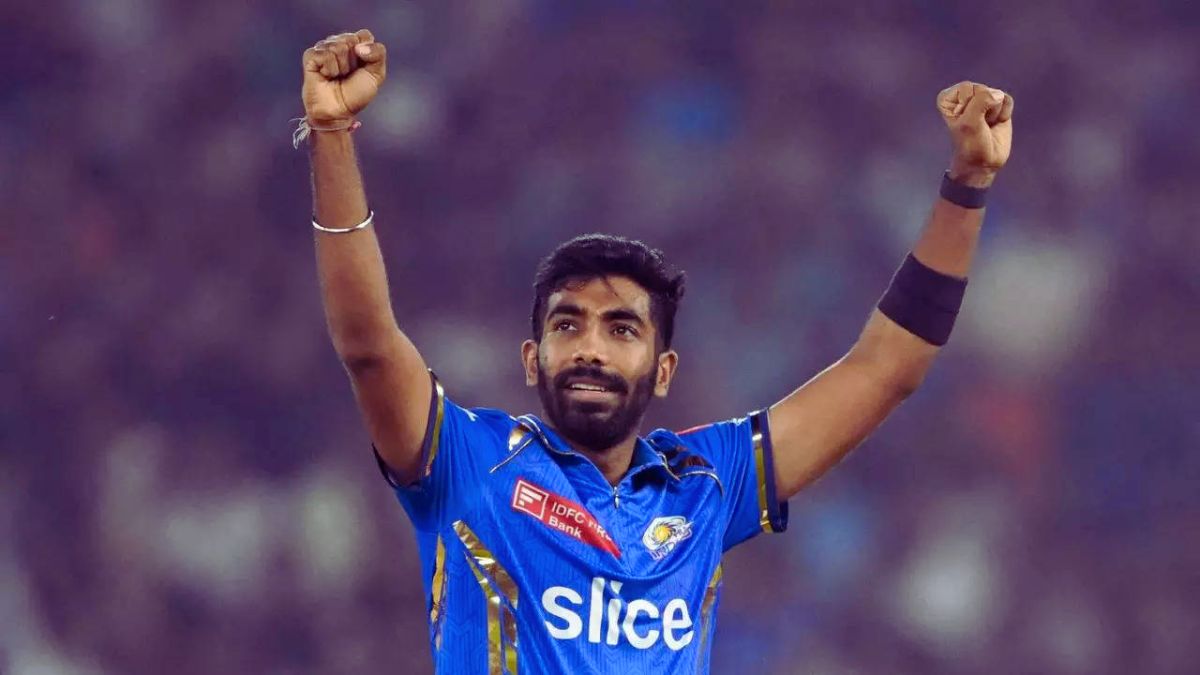
When Jasprit Bumrah takes the field, his presence changes everything for the Indian team. His unique ability to deliver under pressure and take wickets at crucial moments makes him India’s most important weapon across all formats. The statistics speak for themselves – with 450+ international wickets in just 207 matches, Bumrah has established himself as a match-winner who can single-handedly change the course of any game.
His recent performances in the England Test series perfectly show his value. Playing only three out of five Tests, Bumrah took 14 wickets with two five-wicket hauls, proving that his impact goes beyond just numbers. Even with limited appearances, he remains the bowler batsmen fear the most. This fear factor alone gives India a psychological advantage that no other bowler in the current setup can provide.
Moreover, Bumrah’s presence allows the team management to plan their bowling strategy around a guaranteed wicket-taker. His ability to bowl in any situation – whether it’s with the new ball, in the middle overs, or at the death – makes him irreplaceable in the Indian bowling attack. This versatility is exactly why the team struggles when he is not available.
The Awkward Action That Damages His Lower Back
However, the very thing that makes Jasprit Bumrah special also makes him vulnerable. His unusual bowling action, while effective, puts tremendous stress on his lower back. Biomechanics experts have consistently warned about the long-term effects of his unique style.
Dr. Rene Ferdinands, a biomechanics expert, explained that Bumrah’s front-on action creates an unusual S-shaped curve in his spine. This differs from the traditional side-on or mixed actions used by most fast bowlers. His hyperextended front arm forces him to generate pace through his shoulders and back, creating excessive stress on his lumbar spine.
The numbers tell a concerning story. Since 2018, Bumrah has suffered multiple back injuries, including stress fractures in 2019 and 2022, leading to surgery in 2023. Each injury has kept him out for months – the 2022 back surgery alone ruled him out for 11 months. These recurring problems show that his action, while effective, is not sustainable without careful management.
Dr. Dinshaw Pardiwala, India’s top sports surgeon who has worked with Bumrah, clearly stated that “nature never intended for humans to be fast bowlers” and that Bumrah’s biomechanically challenging action cannot be performed repeatedly without consequences. This medical opinion supports the argument for treating him differently from other bowlers.
Everyone’s Body Is Different
The key point that critics of workload management often miss is that every athlete’s body is different. What works for one player may not work for another, especially when it comes to injury prevention and recovery. Bhuvneshwar Kumar, who understands the physical demands of fast bowling, defended Bumrah’s workload management by saying “people don’t always understand how tough it is to keep playing for so many years across formats”.
Bumrah’s unique anatomy adds another layer to this discussion. Medical experts have noted that he has hyperextension in his elbow, which contributes to his distinctive bowling style. This anatomical feature, while giving him advantages in terms of ball speed and accuracy, also makes him more susceptible to certain types of injuries.
Additionally, fast bowlers like Bumrah face different physical stresses compared to batsmen or spinners. Research shows that pace bowlers experience the highest workload across all cricket formats, covering greater distances through sprinting and recording higher body load scores. This physical reality means that treating all cricketers the same way is not scientifically sound.
The individual approach to fitness and injury prevention is well-established in sports science. Cricket fitness experts emphasize that workload management must be individualized rather than generic, as adaptation and progression differ among players. For someone with Bumrah’s action and injury history, a specialized approach becomes even more necessary.
The Need To Change Indian Mindset
Perhaps the biggest challenge in managing Jasprit Bumrah comes from changing the mindset of fans, media, and even some former cricketers. The common argument goes: “If other players can play so many matches, why can’t Bumrah?” This thinking ignores the fundamental differences between players and the unique challenges Bumrah faces.
The Indian cricket community needs to accept that protecting valuable assets like Bumrah is not about being soft or giving special treatment. It’s about smart management that ensures the player remains available for the most important matches. The 46-day gap between Bumrah’s last match and the UAE game actually supports the argument for giving him some match time before the crucial Pakistan encounter on September 14.
Jasprit Bumrah should absolutely be treated as special talent because he is exactly that. His unique action that makes him devastating also makes him vulnerable. The medical evidence is clear about the stress his bowling style puts on his lower back, and his injury history proves that careful management is not optional but necessary.
The debate about whether to play him against UAE misses the bigger point. The question is not about one match but about ensuring India’s most valuable bowler remains fit for the challenges that matter most. Whether he plays against UAE or not, the principle remains the same – Bumrah’s workload needs to be managed differently because his body responds differently to the stresses of fast bowling.
The Indian cricket mindset needs to evolve to understand that different players require different approaches. Just as we don’t expect a spinner to bowl like a fast bowler, we shouldn’t expect every fast bowler to have the same capacity for workload. Bumrah’s case is unique, and treating it as such is not favoritism but smart cricket management that could extend his career and maximize his contribution to Indian cricket.