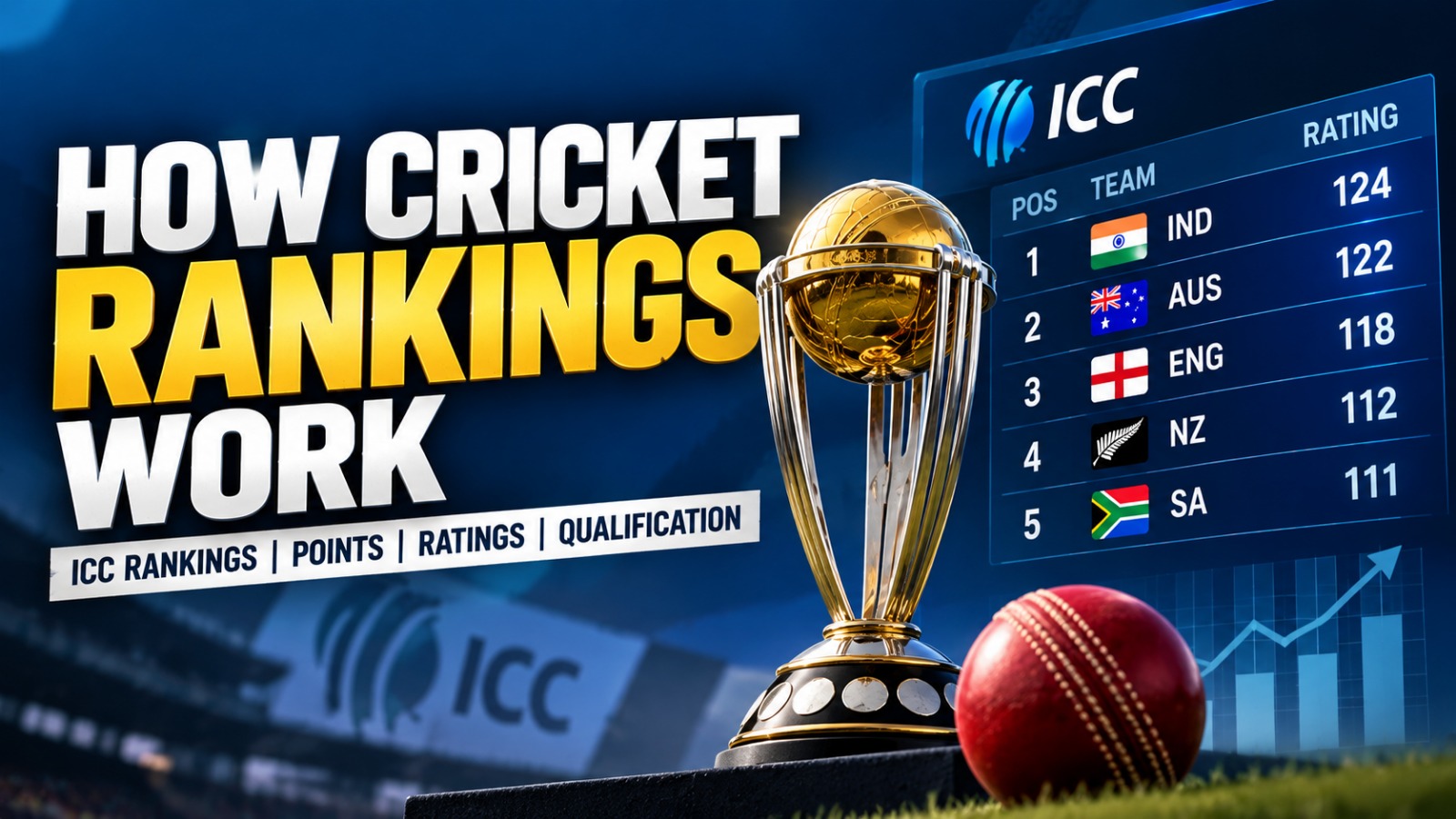


Is Test cricket has been neglected in the modern era?
Test Cricket is widely considered the ultimate form of the sport, a realm where players showcase not just their skill but also their temperament at the highest level. The recently concluded series between cricket powerhouses India and South Africa unfolded as a thrilling spectacle, culminating in a tie with a scoreline of 1-1. This riveting contest underscored the resilience and mettle of both teams, creating a memorable chapter in the history of the sport.
The battle between India and South Africa was marked by brilliant fightback from both sides, demonstrating the need for such encounters in the cricketing world. However, amid the excitement, former South African cricket legend AB De Villiers voiced his discontent with the series’ brevity. De Villiers opined that a three-match series would have provided a more comprehensive platform for any potential outcome to emerge, allowing for a more conclusive verdict on the teams’ performances.
In De Villiers’ view, the relentless push towards the shortest format of the game has come at the expense of the traditional, longer formats like Test Cricket. He expressed concern that the essence and significance of Test matches are gradually being compromised to accommodate the ever-growing popularity of T20 cricket. This compromise, he believes, poses a threat to the overall health and balance of international cricket.
The genesis of T20 cricket and the proliferation of leagues worldwide have reshaped the cricketing landscape. The consequence, however, seems to be a diminishing emphasis on One Day Internationals (ODIs), with the shorter format overshadowing the 50-over contests. De Villiers fears that this trend may lead to a scenario where an increasing number of T20 games dominate the international cricket calendar in the coming years.
The evolution of the sport, while bringing excitement and innovation, has sparked debates about striking the right balance between traditional and modern formats. The essence of Test Cricket, with its strategic nuances and endurance challenges, is revered by purists who argue that it remains the truest test of a cricketer’s skills. However, as cricket continues to adapt to the changing preferences of audiences and stakeholders, finding this balance becomes increasingly crucial for the sustained growth and relevance of the sport on the global stage.
The discourse around the India-South Africa series and De Villiers’ commentary opens up broader conversations about the future direction of international cricket. Questions about the ideal structure of series, the influence of T20 leagues, and the potential erosion of longer formats persist. As cricket enthusiasts and stakeholders grapple with these considerations, the sport stands at a crossroads, where decisions made today will shape its trajectory for years to come. In navigating this path, striking a harmonious coexistence between the timeless allure of Test Cricket and the dynamic appeal of T20 contests becomes imperative for the sport’s holistic development.
Related posts:
 Four-day Test matches are the way forward, says Irfan Pathan
 “Rohit Sharma is an outstanding leader and he should lead India in Test cricket too” reveals former Aussie skipper Ricky Ponting
 Former Star Indian Cricketer says ”It is incredibly challenging to have AB de Villiers in my IPL all-time XI ”
 India vs Australia Test Series: Why age of certain Indian players is trending on social media?