
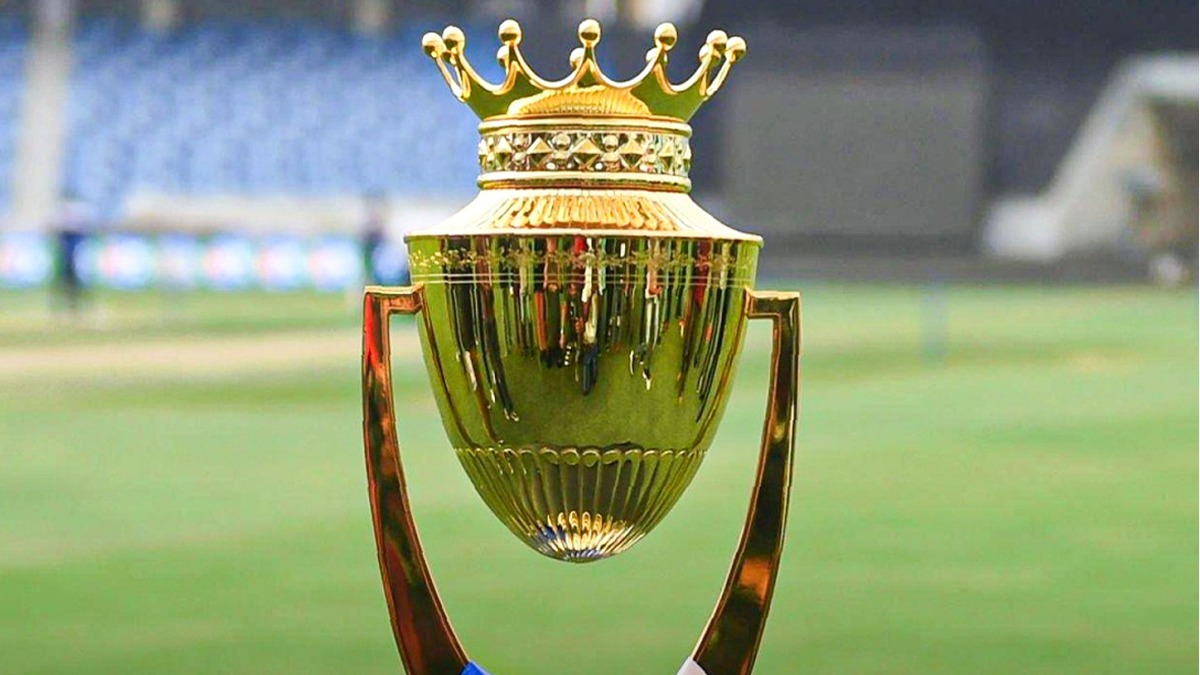
India Aims to Defend Asia Cup Title in UAE Tournament
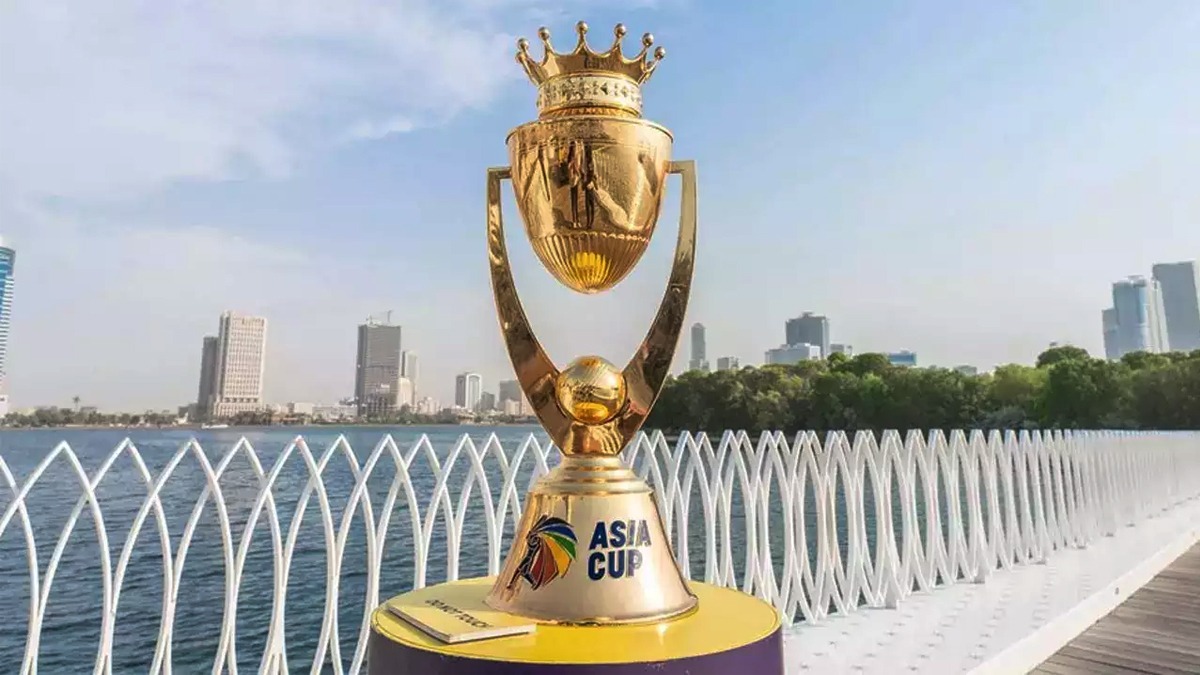
The DP World Asia Cup 2025 has already begun, and the matches so far have been intense for all participants. But as defending champions, India knows every match will be judged closely, especially since even outside cricket, the tournament has unfolded against political tension, with calls for boycotts making headlines.
But even with that, surely, the players are still only trying to focus on the field to show why they remain the region’s top side.
Preparation and Team Mindset
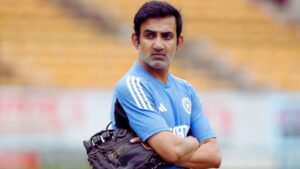
India’s camp entered the competition with clarity. Coaches and senior players reiterated unity and focus. Batting coach Sitanshu Kotak said before the Pakistan match, “Once BCCI said they are aligned with the government’s decision, our focus was always on the match.” This was meant to calm down speculation about boycott calls and highlight that cricket remained the priority.
Selected players include a mix of experienced campaigners and fresh faces, with strategy placing importance on spin bowling in UAE conditions and consistency in opening partnerships.
Performance Before the Pakistan Clash
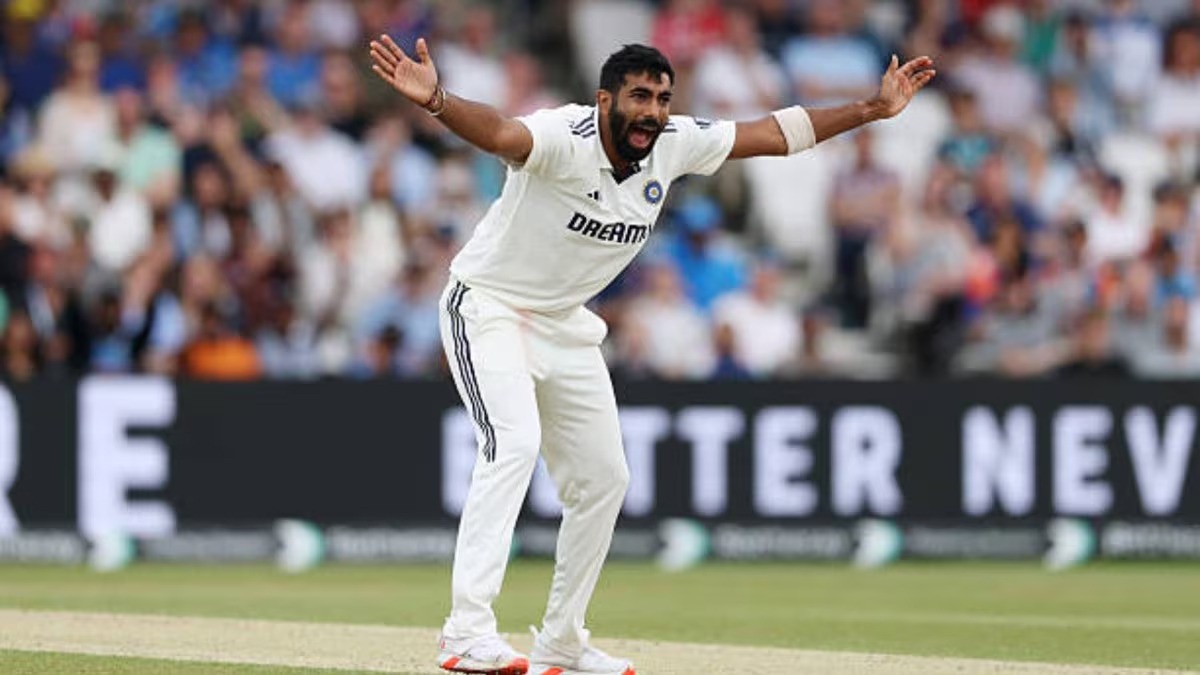
India’s start to the campaign was convincing. Wins in the opening group games set the tone, with top-order batters Tilak Varma and Abhishek Sharma giving the side stability. The spin pair of Kuldeep Yadav and Axar Patel controlled the middle overs, while seamers chipped in with useful new-ball spells.
Fielding intensity looked sharper than in recent series, even if a few dropped chances crept in. The early matches built momentum and allowed players to settle before the much-anticipated meeting with Pakistan.
The India vs Pakistan Match
The fixture on 14 September was more than a group game. India restricted Pakistan to 127 for nine and then chased the target down by seven wickets. Suryakumar Yadav finished unbeaten on 47, sealing the win with a six.
Abhishek Sharma and Tilak Varma added vital runs in the middle overs, while the spinners created pressure that never let Pakistan recover from early losses.
After the match, Yadav said the team had taken a collective call not to shake hands and stressed they came to play cricket, not for gestures. He dedicated the win to India’s armed forces and the victims of the Pahalgam attack.
The symbolism was clear, and his words drew wide attention. On the other side, Pakistan’s coach Mike Hesson expressed disappointment at the lack of a handshake and said his players were prepared to follow the usual post-match protocol. Pakistan captain Salman Ali Agha also skipped the presentation ceremony, which only added to the drama.
Boycott Calls and Public Pressure
Leading into the game, political and public voices called for India to stay away from the fixture altogether. Some said playing Pakistan so soon after the Pahalgam attack was inappropriate. Former cricketer Manoj Tiwary openly supported a boycott, saying human lives should not be compared with sport.
The team, however, stayed away from the noise. Kotak underlined again that the players were told to focus only on cricket once the decision to play had been made.
The stadium told its own story. Large sections of seats were left empty. For many fans, staying home became their form of protest. Others said the subdued atmosphere reflected the weight of the moment. Even with less crowd noise, the pressure on the players remained high, as every move was watched and interpreted through a political lens.
Predictions and Expectations
The drama around the India-Pakistan match showed how quickly narratives in this tournament are shaped by off-field events. Analysts have been quick to frame their own projections of how the competition may unfold.
Some would even look into pro cricket betting tips at TheTopBookies when discussing wider tournament predictions, though India’s focus has been purely on preparation and execution. What matters for the squad is to keep the noise away and continue building on-field momentum.
Implications for India’s Title Defence
India’s win over Pakistan strengthened confidence inside the dressing room. The spin attack proved its depth, the middle order showed it could absorb pressure, and the captain handled a politically charged match with composure. There are still lessons to take forward. India will want to finish games more quickly, avoid early stumbles with the bat, and stay sharp in the field.
The psychological test was clear. Navigating both the cricket and the symbolic acts around the game required unity. The players demonstrated they could block out distractions when it mattered most.
However, it’s likely that future matches will present more challenges, particularly in the Super Four stage. Now, even if it’s still a bit early in the competition, we can already say that India has shown the resolve needed to defend its title.
Conclusion
The first round of matches has shown India is prepared for another title run. Their training and strategy definitely gave them a strong start, and their performance against Pakistan just revealed not only skill but also resilience in the face of political drama.
Suryakumar Yadav’s words and the team’s decisions on symbolic gestures will continue to be discussed, yet their cricket remains the central story.
Overall, India is well placed to push through the Super Four and aim for the final. Whether the outside noise continues or fades, the team’s focus remains on defending the title on UAE soil.