The arrival or proposed welcome of Lionel Messi in India has generated unprecedented buzz among football fans. Stadiums fill up in anticipation, social media explodes with excitement, sponsors line up.
On the surface, it appears to be a celebration of the world’s greatest footballer finally connecting with Indian fans. However, beneath the glamour, fanfare, and emotional appeal lies a harsh and uncomfortable truth: Lionel Messi’s welcome in India is not a good sign for football in the country.
This is not an argument against Messi, his legacy, or his greatness. Lionel Messi is a footballing icon whose influence on the sport is immeasurable. The concern is about how Indian football chooses to invest, celebrate, and prioritize, especially at a time when the domestic football ecosystem is still struggling to stand on its own feet.
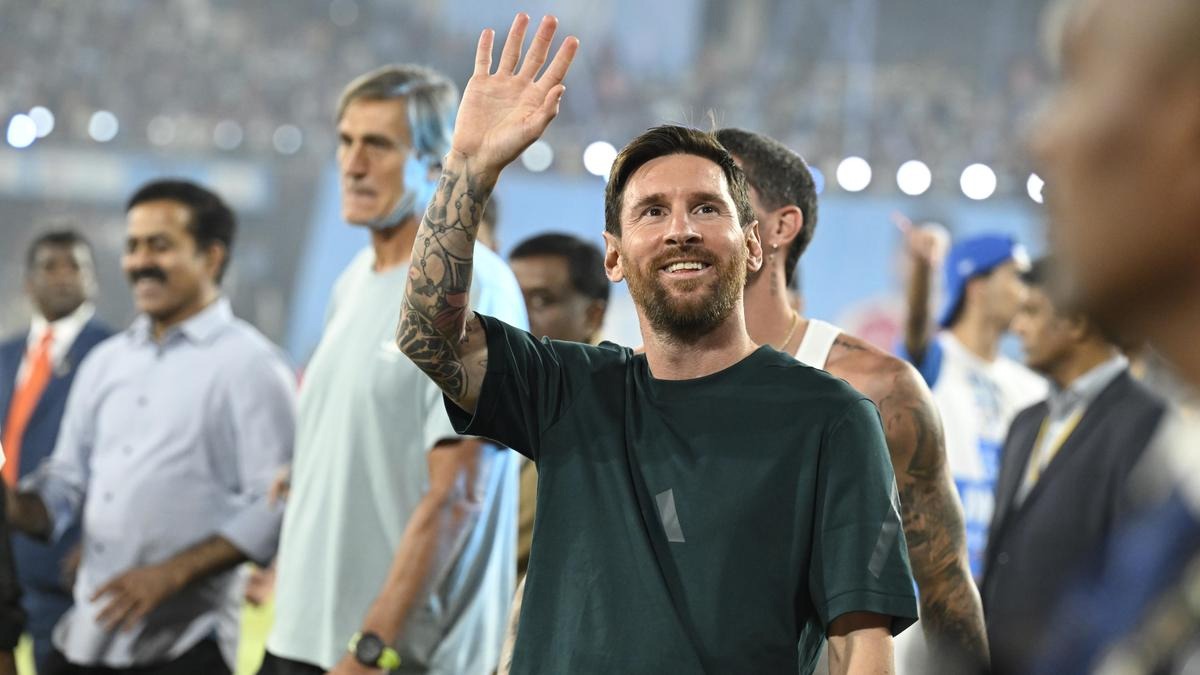
₹150 Crore Investment: Emotion Over Vision
Reports suggest that around ₹150 crore has been invested in bringing Lionel Messi to India for appearances, exhibitions, or promotional events. This massive figure immediately raises a critical question: What long-term value does this investment bring to Indian football?
Spending ₹150 crore on a short-term spectacle is certainly of no use if the goal is grassroots development, talent identification, or league sustainability. That amount could have been strategically invested in:
Building 50+ grassroots football academies
Training hundreds of licensed Indian coaches
Developing modern football infrastructure in Tier-2 and Tier-3 cities
Creating a sustainable youth league pyramid
Strengthening scouting systems across states
Instead, the money is being spent on a one-time emotional high, where fans turn up in huge numbers, click photographs, chant Messi’s name, and go home with memories—but Indian football remains exactly where it was before his arrival.
Fans Turning Up in Huge Numbers: A Misleading Metric
Yes, fans have turned up in huge numbers to watch Messi play or appear. Stadiums are packed. Tickets sell out within minutes. Media houses label it a “football revolution.”
But crowd turnout does not equal football development.
Indian fans have always loved football stars—Messi, Ronaldo, Neymar, Beckham. The issue is not fan passion; the issue is fan conversion. How many of those fans attend ISL matches regularly? How many follow I-League, youth leagues, or local club football? How many kids who watched Messi will have access to quality coaching, facilities, or competitive matches?
Without systems in place, fan excitement fades quickly. Once Messi leaves, the stadiums return to being half-empty, academies remain underfunded, and young Indian footballers go back to struggling for opportunities.
Star Culture vs System Culture
Indian football continues to suffer from star obsession instead of system building. Welcoming Messi feeds into a culture where success is measured by celebrity association rather than structural progress.
Countries that dominate world football—Germany, Spain, France, Japan—do not rely on foreign superstars visiting their countries to inspire growth. They rely on:
Strong youth systems
Clear player pathways
Consistent domestic competitions
Coaching education
Data-driven scouting
Long-term planning
In contrast, Indian football stakeholders often chase optics—grand events, viral moments, and international headlines.
Stakeholders Need to Focus on Building Systems
All the stakeholders who are associated with Indian football—federations, state associations, league organizers, sponsors, broadcasters, and government bodies—should be aligned in one direction: building systems in place so that the best talent could come up the ranks.
Instead of spending ₹150 crore on a Messi event, stakeholders could have collaborated to create:
A nationwide U-10 to U-18 structured league
Mandatory youth academies for all professional clubs
Centralized talent scouting programs
Better referee and coach development pathways
Messi cannot fix Indian football. He cannot identify talent from Manipur, Mizoram, Kerala, Bengal, or Uttar Pradesh. He cannot create playing opportunities for a 14-year-old striker struggling to afford boots. Only strong systems can do that.
One of the most common arguments in favor of Messi’s visit is “inspiration.” The belief is that seeing Messi live will inspire young kids to play football.
But inspiration without access is meaningless.
A child may be inspired for a day, a week, or even a month. Where does the child go to train? Who coaches them? Who scouts them?
Without answers to these questions, inspiration becomes frustration.
True inspiration comes when young players see Indian footballers succeeding through structured pathways, not when they see a global superstar flown in for a few hours.
The biggest damage caused by such events is opportunity cost. ₹150 crore is not just money spent—it is money not spent elsewhere.
At a time when Indian clubs struggle to pay players on time, youth teams travel without proper facilities, and state leagues lack visibility, spending such an amount on a single event reflects poor prioritization.
Football development is not glamorous.
What Indian Football Actually Needs
Indian football does not need Messi’s presence. It needs:
Better governance
Accountability from stakeholders
Until these fundamentals are addressed, welcoming global superstars will remain a symbolic celebration with no real impact.
Final Perspective:
Lionel Messi’s welcome in India may look grand, emotional, and historic, but in reality, it highlights a deeper problem within Indian football’s vision. Investing around ₹150 crore in a short-term spectacle is certainly of no use when the foundation of the sport remains weak.
Fans turning up in huge numbers proves only one thing—India loves football. What it does not prove is that Indian football is progressing.
If all the stakeholders who are associated with the game truly want growth, they must shift focus from star-driven events to building systems in place so that the best talent could come up the ranks.
Why Lionel Messi’s Welcome in India Is Not a Good Sign for Indian Football – Tabular Analysis
| Section | Key Points |
| Context & Public Buzz | The arrival or proposed welcome of Lionel Messi in India has generated unprecedented buzz among football fans. Stadiums fill up, social media explodes with excitement, and sponsors line up. On the surface, it appears to be a celebration of the world’s greatest footballer connecting with Indian fans. |
| Core Argument | Beneath the glamour, fanfare, and emotional appeal lies a harsh truth: Lionel Messi’s welcome in India is not a good sign for football in the country. The concern is not about Messi’s greatness but about how Indian football chooses to invest, celebrate, and prioritize while the domestic ecosystem struggles. |
| ₹150 Crore Investment Issue | Around ₹150 crore has reportedly been invested in bringing Lionel Messi to India for appearances, exhibitions, or promotional events. This raises the question of long-term value for Indian football. Spending ₹150 crore on a short-term spectacle is certainly of no use for grassroots development, talent identification, or league sustainability. |
| Alternative Use of ₹150 Crore | The same amount could have been invested in: • Building 50+ grassroots football academies • Training hundreds of licensed Indian coaches • Developing modern football infrastructure in Tier-2 and Tier-3 cities • Creating a sustainable youth league pyramid • Strengthening scouting systems across states |
| One-Time Emotional High | Instead of long-term impact, the money is spent on a one-time emotional high where fans turn up in huge numbers, click photographs, chant Messi’s name, and return home with memories—while Indian football remains unchanged. |
| Fans Turning Up in Huge Numbers | Stadiums are packed, tickets sell out quickly, and media labels it a “football revolution.” However, crowd turnout does not equal football development. |
| Fan Conversion Problem | Indian fans love global stars like Messi, Ronaldo, Neymar, and Beckham. The issue is not passion but conversion. Questions remain about regular ISL attendance, interest in I-League and youth leagues, and access to coaching and facilities for young fans inspired by Messi. |
| Post-Event Reality | Without systems in place, excitement fades quickly. Once Messi leaves, stadiums become half-empty, academies remain underfunded, and young Indian footballers continue to struggle for opportunities. |
| Star Culture vs System Culture | Indian football suffers from star obsession instead of system building. Success is measured by celebrity association rather than structural progress. |
| Global Football Models | Countries like Germany, Spain, France, and Japan rely on strong youth systems, clear player pathways, consistent domestic competitions, coaching education, data-driven scouting, and long-term planning—not celebrity visits. |
| Indian Stakeholder Approach | Indian football stakeholders often chase optics, grand events, viral moments, and international headlines instead of building foundations. |
| Role of Stakeholders | All stakeholders—federations, state associations, league organizers, sponsors, broadcasters, and government bodies—should focus on building systems in place so that the best talent could come up the ranks. |
| System-Based Alternatives | Instead of a Messi event, stakeholders could create: • Nationwide U-10 to U-18 structured leagues • Mandatory youth academies for professional clubs • Centralized talent scouting programs • Better referee and coach development pathways |
| Limitations of Star Visits | Messi cannot fix Indian football. He cannot identify talent from Manipur, Mizoram, Kerala, Bengal, or Uttar Pradesh. He cannot create playing opportunities for a 14-year-old struggling to afford boots. Only strong systems can do that. |
| Inspiration vs Access | Seeing Messi may inspire kids temporarily, but inspiration without access is meaningless. Without training centres, coaches, and scouts, inspiration turns into frustration. |
| True Inspiration | Real inspiration comes when young players see Indian footballers succeeding through structured pathways, not when a global superstar is flown in for a few hours. |
| Opportunity Cost | ₹150 crore represents opportunity cost—it is money not spent elsewhere. At a time when clubs struggle to pay players, youth teams lack facilities, and state leagues lack visibility, this reflects poor prioritization. |
| Reality of Football Development | Football development is not glamorous. It requires long-term commitment rather than symbolic events. |
| What Indian Football Needs | Indian football does not need Messi’s presence. It needs: • Better governance • Accountability from stakeholders |
| Final Perspective | Messi’s welcome may look grand and historic, but it exposes deeper flaws in Indian football’s vision. Fans turning up proves India loves football, not that Indian football is progressing. |
| Conclusion | For real growth, stakeholders must shift focus from star-driven events to building systems in place so that the best talent could come up the ranks. |