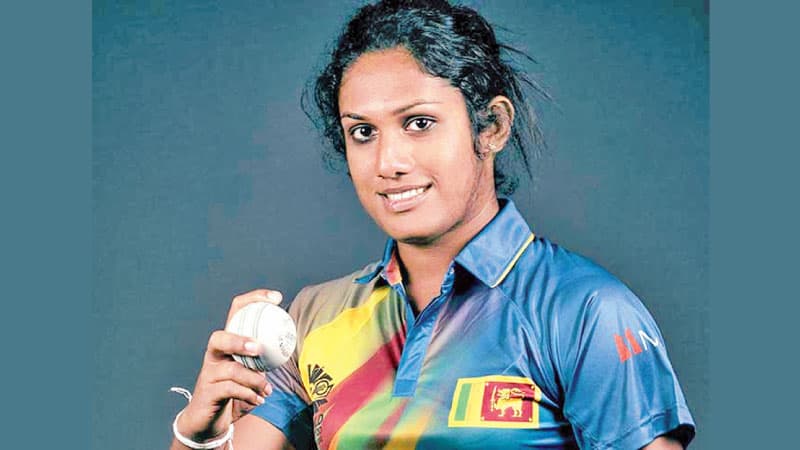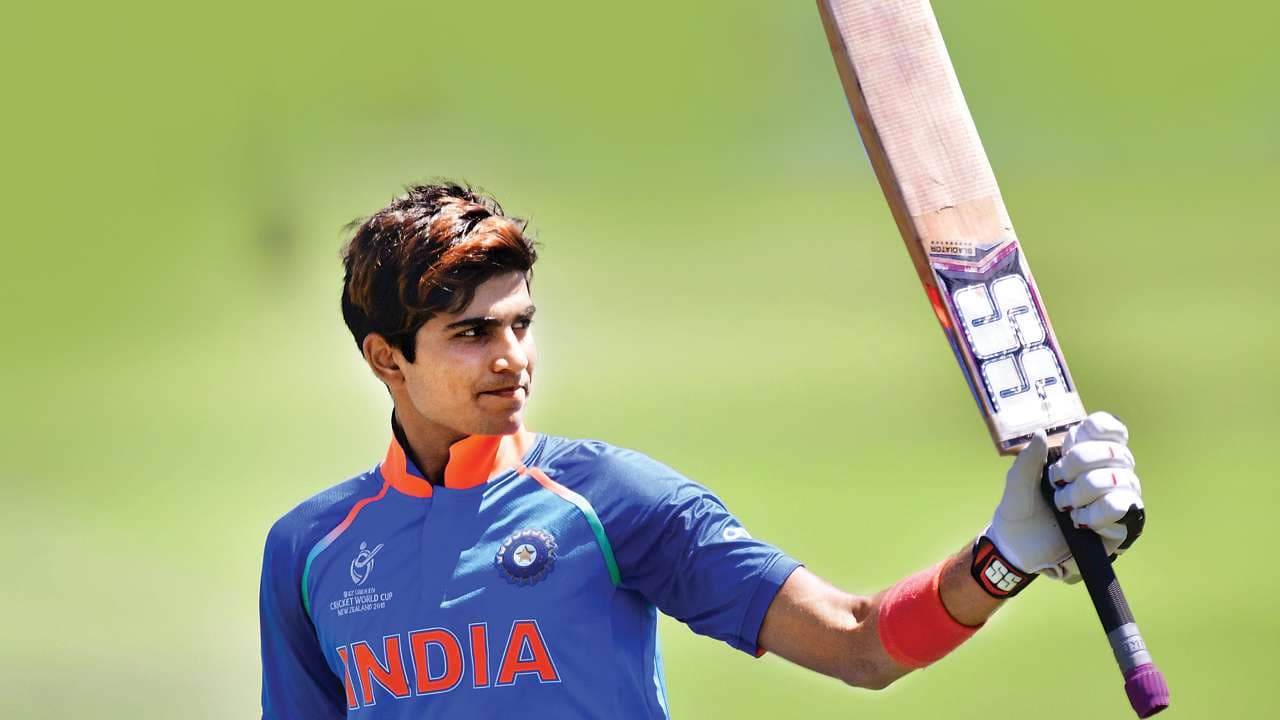
On 3 November 2026, Prema Rawat reached her half‑century in just 14 deliveries during the Senior Women’s T20 Trophy, a performance that rewrote the record books for the format. The innings came in a high‑stakes domestic clash, and the rapid strike rate immediately drew attention from the cricketing fraternity across the sub‑continent.
The milestone not only eclipsed the previous fastest fifty held by Pakistan’s Fatima Sana but also marked the first time an Indian player has claimed the world record for the quickest fifty in women’s T20 cricket. Rawat’s achievement was confirmed by match officials and entered into the official statistics of the tournament, cementing her place in the sport’s evolving history.
Rawat’s 14‑ball fifty was built on a series of aggressive boundaries, with each shot contributing to a relentless on‑field momentum. The innings featured a blend of power hitting and precise timing, allowing her to accumulate runs at a rate previously unseen in the competition. Her strike rate during the spell far exceeded the tournament average, underscoring the exceptional nature of the feat.
The record‑breaking knock came as part of the Senior Women’s T20 Trophy, a key platform for emerging talent in Indian cricket. The tournament serves as a feeder for national selection, and performances such as Rawat’s are closely monitored by selectors and coaches. Her display adds a new dimension to the growing depth of women’s cricket in the country.
Cricket analysts highlighted the significance of the achievement, noting that breaking a world record in a domestic setting demonstrates both individual skill and the rising standard of the domestic circuit. The previous record, set by Fatima Sana of Pakistan, had stood for several years, making Rawat’s accomplishment a notable shift in the competitive landscape of women’s T20 cricket.
The cricketing community responded swiftly, with social media platforms buzzing about the historic innings. Fans and former players alike praised Rawat’s composure under pressure and her ability to execute high‑risk shots with consistency. The excitement generated by the performance is expected to boost viewership and interest in the women’s domestic calendar.
Looking ahead, officials anticipate further confirmations and official statements regarding Rawat’s record as the season progresses. The achievement positions her as a strong contender for upcoming international fixtures, and selectors are expected to consider her form when finalising squads for future series and tournaments.
Rawat’s breakthrough underscores the accelerating growth of women’s cricket in India, reflecting broader investment and development initiatives across the sport. As the Senior Women’s T20 Trophy continues, her record stands as a benchmark for aspiring batters, while the cricketing authorities prepare for the next set of competitive fixtures where her talent may further influence the national setup.