FIFA World Cup 2026: The Rise of Foreign-Born Players and Global Football’s New Reality
The FIFA World Cup 2026 has become one of the most diverse tournaments in football history. With 289 players representing countries different from their birth nations, the competition highlights how modern football has evolved into a truly global sport. Out of the tournament’s 1,248 players, nearly 23% are foreign-born, showcasing the growing influence of migration, multicultural societies, and dual-nationality pathways in international football.
FIFA World Cup 2026: Foreign-Born Player Statistics
Category Number
Total Players 1,248
Foreign-Born Players 289
Home-Born Players 959
Percentage of Foreign-Born Players 23.2%
Participating Nations 48
Why Are More Players Representing Different Countries?
The increasing number of foreign-born players is largely driven by globalization. Many footballers are born in one country but move elsewhere during childhood due to family, education, or career opportunities. FIFA regulations allow players to represent nations through citizenship, ancestry, or residency requirements, creating opportunities for athletes to choose between multiple national teams.
For many players, representing a parent’s or grandparent’s homeland is a source of pride. Others choose a national team where they have a better opportunity to play regular international football. This trend has transformed the landscape of international football over the last two decades.
France: The World’s Biggest Football Exporter
One of the most fascinating stories of World Cup 2026 is France’s influence on global football. Nearly 98 World Cup players were born in France, but only 22 of them represent France itself. The remaining players are spread across various national teams, particularly in Africa, the Caribbean, and Europe.
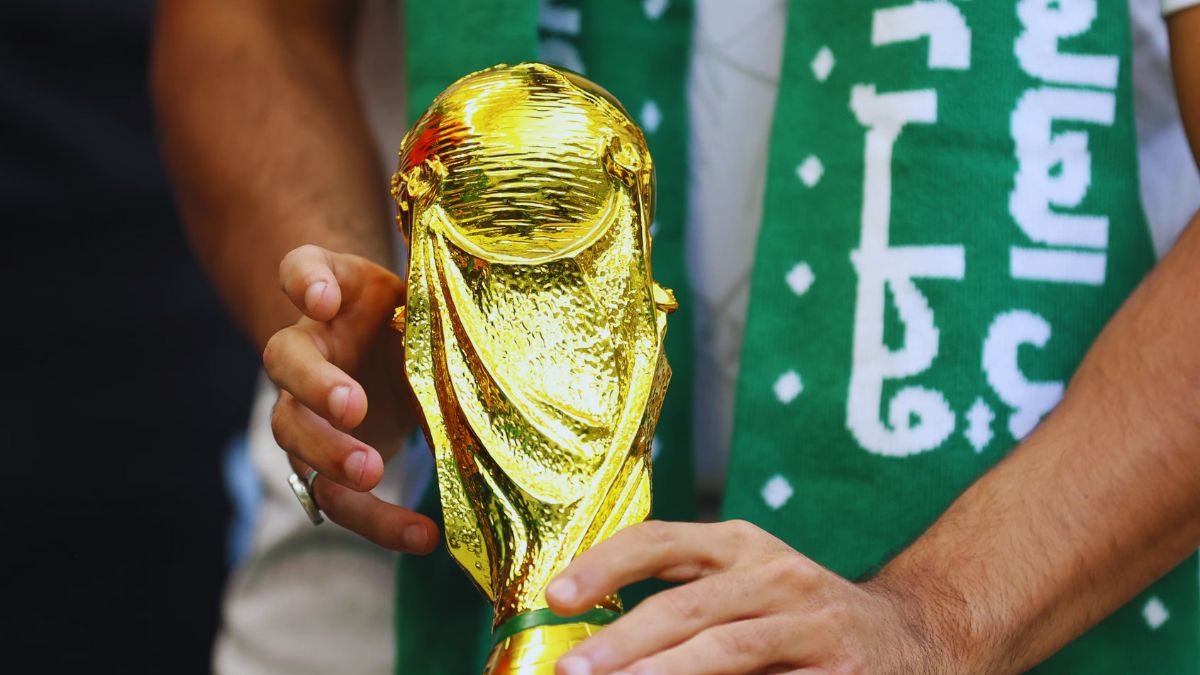
This reflects the strength of France’s youth development system, which continues to produce elite talent capable of competing at the highest level. Countries such as Morocco, Algeria, Senegal, Congo DR, and several Caribbean nations have benefited from players developed within the French football structure.
Teams Benefiting Most from Foreign-Born Talent
Several nations have built competitive squads through players born abroad. Smaller footballing nations often rely on diaspora communities to strengthen their national teams.
Nation Foreign-Born Players
Curaçao 25 of 26 players
Morocco Significant diaspora representation
Jamaica Multiple England-born players
Canada Diverse multicultural squad
United States Players born across several nations
These teams demonstrate how international football is becoming increasingly interconnected.
The Impact on Competitive Balance
Foreign-born players have helped many nations become more competitive. Countries that previously struggled to qualify for major tournaments are now capable of challenging traditional football powers.
The expansion to 48 teams in 2026 has accelerated this trend by providing more nations with World Cup opportunities. Many federations are actively scouting eligible players across the globe, particularly within diaspora communities.
As a result, the overall quality of the tournament has improved. Smaller nations now possess players competing in elite leagues such as the English Premier League, La Liga, Bundesliga, Serie A, and Ligue 1.
Notable Examples of Foreign-Born Stars
Player Represents Born In
Erling Haaland Norway England
Michael Olise France England
Marc Guéhi England Côte d’Ivoire
Brice Samba France Congo DR
These players illustrate how football talent increasingly transcends geographical boundaries.
What This Means for the Future of International Football
The presence of 289 foreign-born players at FIFA World Cup 2026 is more than just a statistic—it reflects the changing nature of society and sport. Football has become a global language connecting cultures, communities, and nations.
As migration continues and international academies expand their reach, future World Cups are likely to feature even greater diversity. Experts believe that by the 2030 FIFA World Cup, the percentage of foreign-born players could rise further as more nations tap into global talent pools.
The 2026 tournament serves as a powerful reminder that international football is no longer defined solely by geography. Instead, it is increasingly shaped by heritage, identity, opportunity, and the worldwide movement of people. This diversity has enriched the World Cup, making it one of the most inclusive and globally representative sporting events ever staged.
| Section | Details |
|---|---|
| Article Title | FIFA World Cup 2026: The Rise of Foreign-Born Players and Global Football’s New Reality |
| Overview | The FIFA World Cup 2026 has emerged as one of the most diverse tournaments in football history. A total of 289 players are representing countries different from their birth nations, highlighting the increasing impact of globalization, migration, and dual-nationality eligibility in modern football. Out of 1,248 players, approximately 23.2% are foreign-born, making this the most internationally diverse FIFA World Cup ever. |
FIFA World Cup 2026: Foreign-Born Player Statistics
| Category | Number |
|---|---|
| Total Players | 1,248 |
| Foreign-Born Players | 289 |
| Home-Born Players | 959 |
| Percentage of Foreign-Born Players | 23.2% |
| Participating Nations | 48 |
Why Are More Players Representing Different Countries?
| Factor | Explanation |
|---|---|
| Globalization | Increased movement of families across countries has expanded player eligibility options. |
| Dual Citizenship | Many players hold citizenship in more than one country. |
| Family Heritage | Players often choose to represent the nation of their parents or grandparents. |
| Residency Rules | FIFA permits players to represent countries after meeting residency requirements. |
| Career Opportunities | Some players select nations where they have a better chance of earning international caps. |
| Cultural Connection | Athletes often feel strong emotional ties to their ancestral homeland. |
France: The World’s Biggest Football Exporter
| Category | Details |
|---|---|
| Players Born in France at World Cup 2026 | 98 |
| Players Representing France | 22 |
| Players Representing Other Nations | 76 |
| Key Beneficiary Nations | Morocco, Algeria, Senegal, Congo DR, Caribbean Nations |
| Main Reason | Strong youth development and academy system producing elite football talent |
Teams Benefiting Most from Foreign-Born Talent
| Nation | Foreign-Born Representation |
|---|---|
| Curaçao | 25 out of 26 players born outside the country |
| Morocco | Significant diaspora-based squad |
| Jamaica | Multiple England-born players |
| Canada | Diverse multicultural player pool |
| United States | Players born across multiple nations |
Impact on Competitive Balance
| Area | Impact |
|---|---|
| Team Strength | Smaller nations now have access to higher-quality players. |
| Tournament Competitiveness | More teams are capable of challenging traditional football powers. |
| World Cup Expansion | The increase to 48 teams has provided greater opportunities for emerging nations. |
| Talent Scouting | Federations are actively recruiting players from global diaspora communities. |
| League Experience | Players bring experience from top leagues such as EPL, La Liga, Bundesliga, Serie A, and Ligue 1. |
Notable Examples of Foreign-Born Stars
| Player | Represents | Born In |
|---|---|---|
| Erling Haaland | Norway | England |
| Michael Olise | France | England |
| Marc Guéhi | England | Côte d’Ivoire |
| Brice Samba | France | Congo DR |
Key Takeaways for the Future of International Football
| Topic | Analysis |
|---|---|
| Diversity in Football | The 2026 World Cup showcases unprecedented cultural and national diversity. |
| Global Talent Movement | Football talent increasingly transcends geographical borders. |
| Future Trends | More players are expected to represent nations different from their birth countries by 2030. |
| National Team Strategies | Federations are investing heavily in identifying eligible diaspora talent. |
| Football’s Evolution | International football is becoming more influenced by heritage, identity, and global mobility than ever before. |
Conclusion Summary
| Aspect | Insight |
|---|---|
| Foreign-Born Players | 289 players are representing countries different from their birth nations. |
| Percentage of Total Players | 23.2% of World Cup participants are foreign-born. |
| Biggest Talent Exporter | France leads the world in producing players who represent other nations. |
| Major Beneficiaries | Curaçao, Morocco, Jamaica, Canada, and the United States. |
| Overall Significance | FIFA World Cup 2026 reflects the growing influence of globalization, migration, and multicultural identities in modern football, making it one of the most diverse sporting events ever organized. |
Q-1: Why are foreign-born players becoming increasingly important in FIFA World Cup 2026 and what does this trend mean for the future of international football?