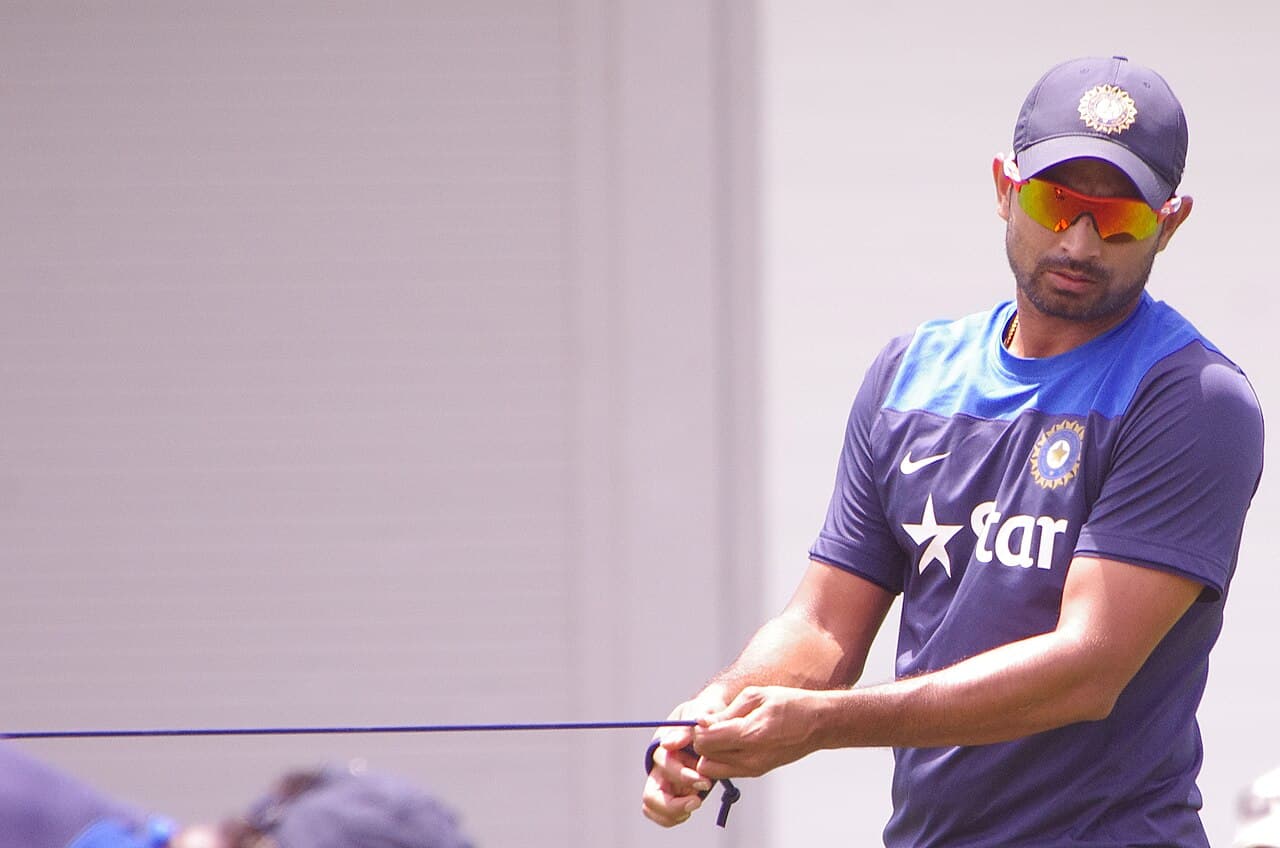
Ravi Shastri, former India head coach and current commentator, highlighted on 7 November 2026 that fast‑bowler Mohammed Shami should have been part of the India squad touring New Zealand for the Test series. Shastri’s observation came during pre‑match analysis ahead of the second ODI between the two sides, drawing attention to selection choices as the teams prepare for the upcoming fixtures.
Shami’s Test record for India spans 64 matches, during which he claimed 229 wickets. His best innings figures stand at six for 56, underscoring a career that has consistently contributed to India’s pace attack. Despite these credentials, Shastri argued that his omission from the New Zealand tour left a gap in the bowling line‑up, especially given the conditions that often favour seam movement.
In addition to Shami’s case, Shastri turned his focus to the younger paceman Gurnoor Brar, noting a noticeable improvement in the bowler’s confidence. The commentator observed that Brar’s growing self‑assurance could translate into more impactful spells, particularly in limited‑overs formats where pressure situations demand composure and aggression alike.
Shastri’s comments on Brar came as the Indian side prepared for the second ODI against New Zealand, a match that offers a platform for emerging talent to stake a claim. The fast bowler’s recent performances have shown a steadier line and length, and his willingness to attack the stumps has been highlighted as a positive development by the former coach.
The broader context of Shastri’s remarks reflects ongoing discussions within Indian cricket circles about squad composition and talent nurturing. While senior players like Shami bring experience, the integration of younger bowlers such as Brar is seen as essential for maintaining a balanced attack across formats and conditions.
Looking ahead, the Indian cricket board is expected to issue further confirmations and official statements regarding squad selections for the remaining Test and limited‑overs fixtures. Shastri’s insights suggest that the management may revisit the balance between seasoned campaigners and emerging prospects as the series progresses.
Overall, Shastri’s analysis underscores two parallel narratives: the perceived oversight in excluding a proven Test bowler from a challenging overseas tour, and the encouraging signs of confidence emerging in a promising young paceman. Both elements will likely influence selection deliberations as India aims to sustain competitive momentum against New Zealand.