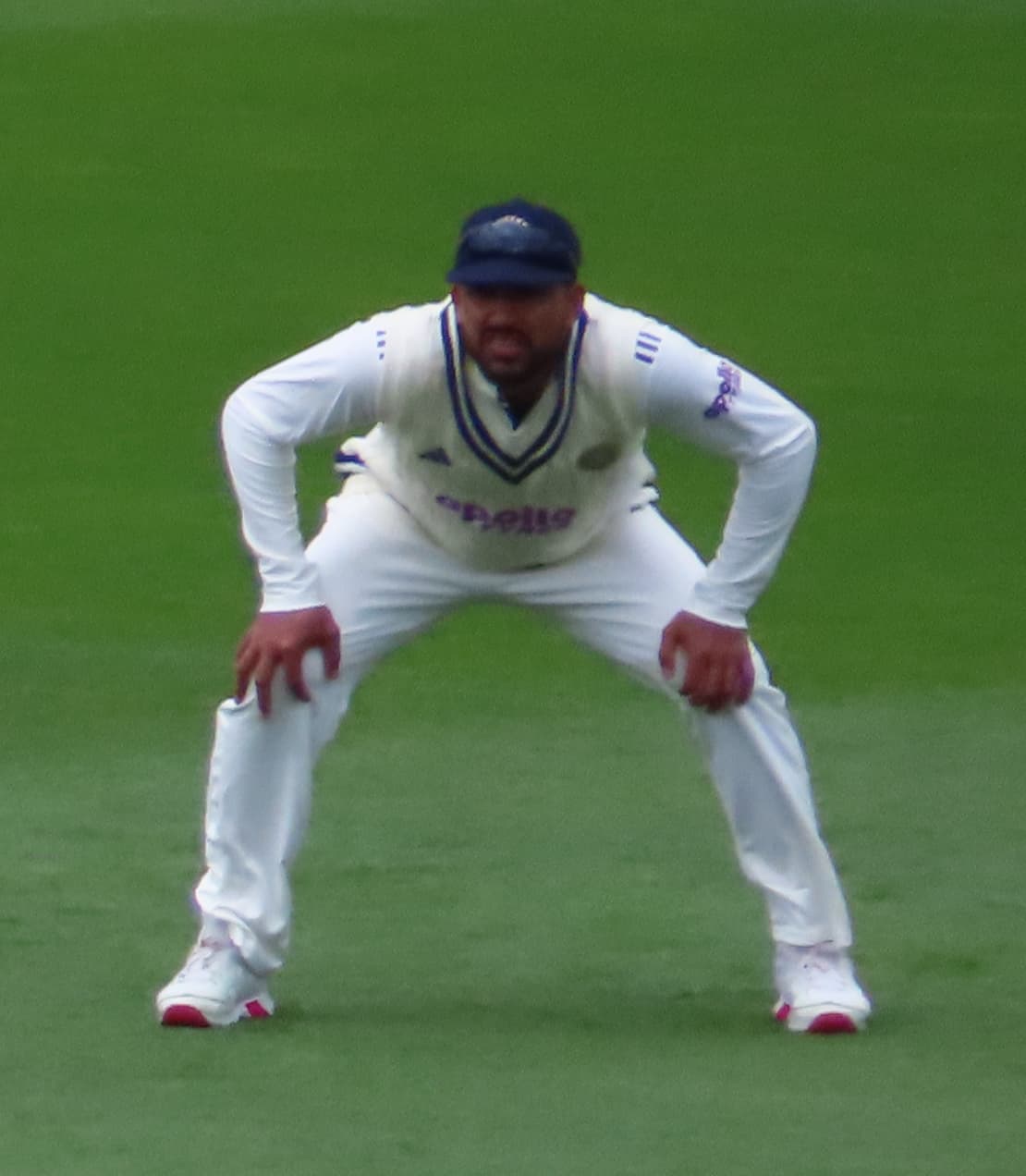
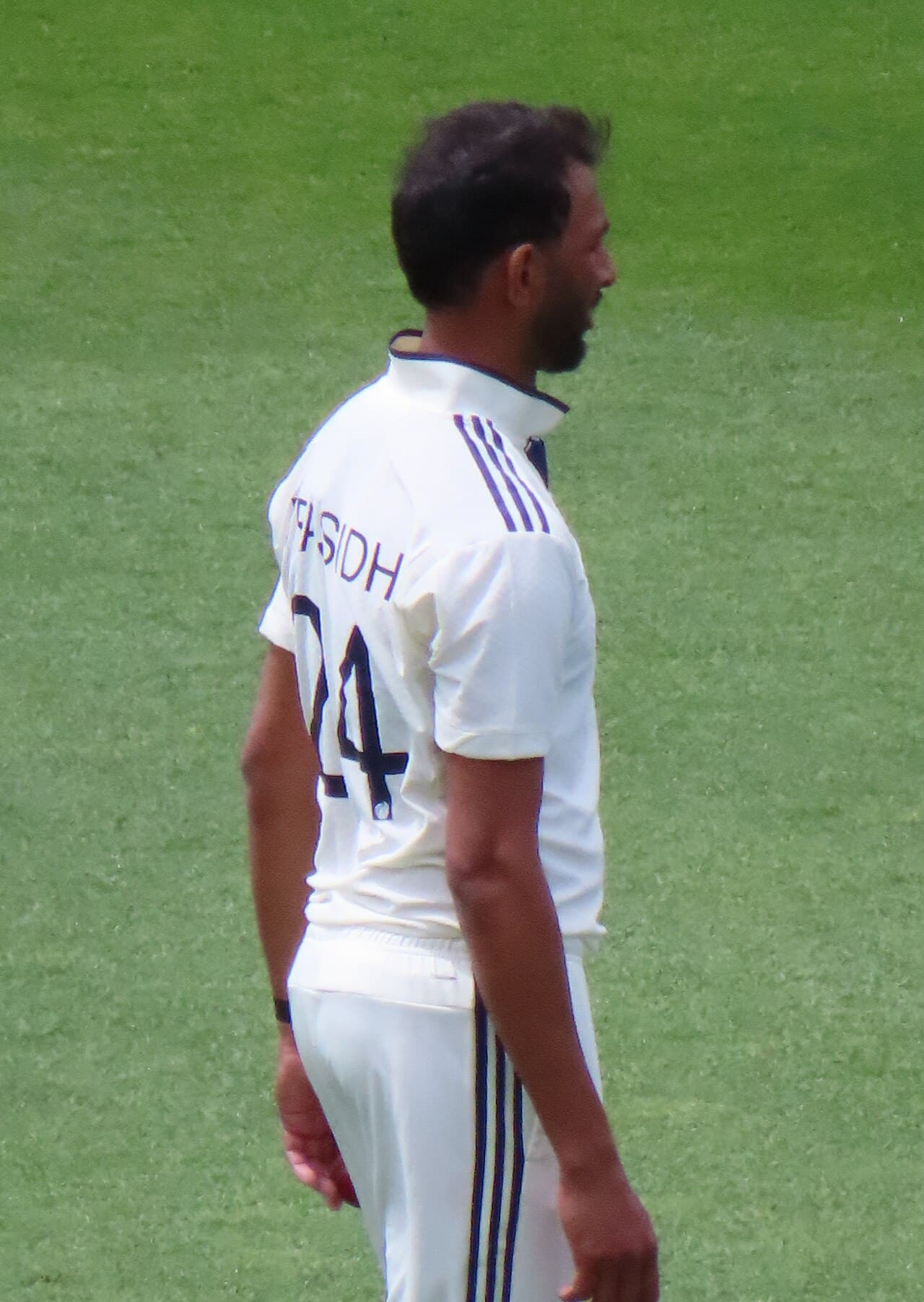
On 29 November 2026, the second Test between India and New Zealand in Christchurch saw a landmark change when Prasidh Krishna entered the field as India's inaugural concussion substitute. The move followed a dangerous incident in which fast bowler Kyle Jamieson struck Akash Deep on the helmet twice in the same over, prompting medical staff to withdraw the left‑arm spinner under the new concussion protocol.
Akash Deep's early impact had been significant, claiming five wickets to give India a fighting chance. However, the injury forced his premature exit, and Prasidh Krishna took the field, marking the first time an Indian player has replaced a teammate for concussion reasons in Test cricket. The substitution was confirmed by the match officials and adhered to the International Cricket Council's updated safety guidelines.
New Zealand capitalised on the disruption, tightening their grip on the game. By the close of Day 2, the visitors found themselves at 116 for 6, a stark contrast to the promising start offered by Akash Deep's spell. The Christchurch surface proved challenging for the Indian batting line‑up, with the bowlers exploiting seam movement and bounce to dismantle the top order.

 Digital marketing that shows up in revenue
Kyle Jamieson, the bowler responsible for the helmet impacts, continued to apply pressure, delivering a disciplined spell that further unsettled the Indian side. His relentless accuracy and pace contributed to the collapse, leaving India in a precarious position as they sought to rebuild after the loss of a key spinner and the early loss of wickets.
The incident underscores the growing emphasis on player safety in international cricket. The concussion substitute rule, introduced only recently, aims to protect athletes from head injuries without penalising the team. Prasidh Krishna's entry not only provided a tactical option but also highlighted the practical application of the protocol in a high‑stakes Test environment.
India's batting woes on the Christchurch pitch have raised questions about preparation for conditions that differ markedly from sub‑continental tracks. The team's inability to negotiate the seam and bounce has resulted in a modest total, emphasizing the need for adaptability and resilience in overseas tours.
While the match continues, officials anticipate further statements regarding the incident and its implications for future fixtures. The governing bodies are expected to review the concussion protocol's implementation and consider any adjustments needed to ensure player welfare remains paramount throughout the series.
Looking ahead, both sides will aim to regroup as the series progresses. New Zealand will look to extend their advantage, while India hopes to recover from the setback, integrate Prasidh Krishna effectively, and restore confidence in their batting order for the remaining Tests.