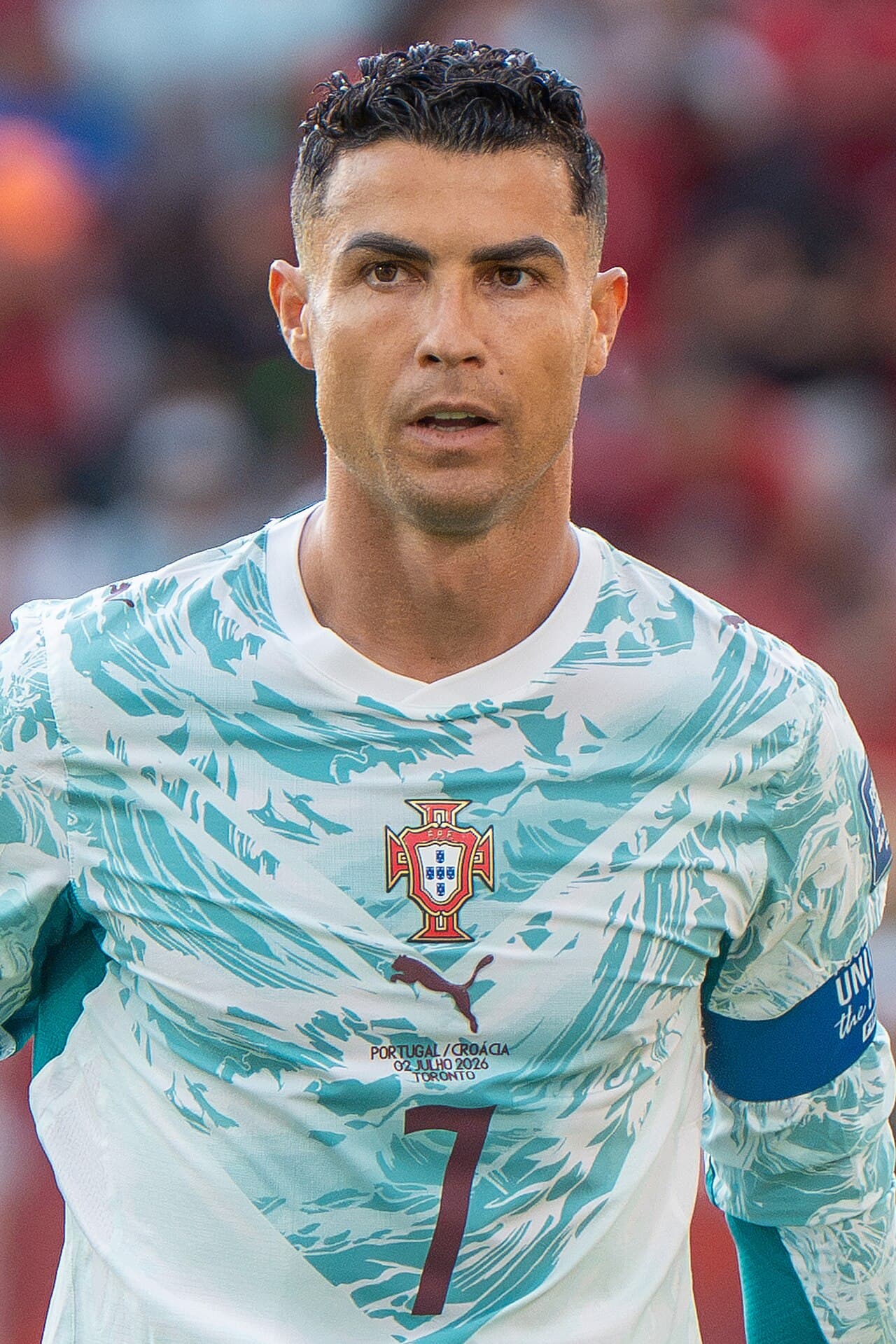
Portugal faced Denmark in a UEFA Nations League encounter that marked the first competitive outing for the Selecao after the retirement of their long‑time talisman. The match ended in a 4‑1 victory for the Danes, a result that underscored the shift in dynamics for both sides as they look ahead to the next stages of the competition.
The Portuguese side entered the game with a quarter‑final place already assured, allowing them to experiment with line‑ups and give younger players a chance to prove themselves on the international stage. Despite the secure position, the team struggled to find cohesion, conceding four goals while managing only a single reply, highlighting the challenges of moving beyond the era defined by Cristiano Ronaldo.
Denmark, on the other hand, approached the fixture with a clear objective: to secure a crucial win that would bolster their bid for a place among the last eight teams. The 4‑1 scoreline not only delivered the points they needed but also demonstrated their attacking intent and defensive solidity, positioning them favourably as the group stage draws to a close.

 Digital marketing that shows up in revenue
The match also carried symbolic significance beyond the result. Portugal altered the way the number seven is presented on kits as a tribute to Ronaldo, whose iconic “CR7” moniker became synonymous with the shirt he wore for many years. This change reflects the lasting impact of his career on the national team’s identity and branding.
Ronaldo’s retirement from international football was confirmed just a week before the game, ending a prolific chapter that saw him become one of the most celebrated figures in the sport. His departure has prompted discussions across the football community about the future direction of the Portuguese squad and the emergence of new leaders on the pitch.
The broader football landscape continues to monitor developments surrounding Ronaldo, with his influence extending beyond the national team to major clubs and global marketing. While his on‑field contributions have ceased, his legacy remains a focal point for fans, analysts and commercial partners alike, shaping narratives around the sport’s evolution.
Looking ahead, the Portuguese Football Federation is expected to issue further statements regarding squad selections and strategic plans as the Nations League progresses toward its knockout phase. The team will aim to build on the experience gained in this match, integrating fresh talent while maintaining competitive standards.
Denmark will now turn its attention to the remaining group fixtures, seeking to consolidate the momentum generated by the win. Both nations have clear pathways forward, with Portugal focusing on refining its post‑Ronaldo identity and Denmark aiming to secure a place among the competition’s final eight.