Hockey India Faces Backlash Over Orange Away Jersey as Political Debate Intensifies:
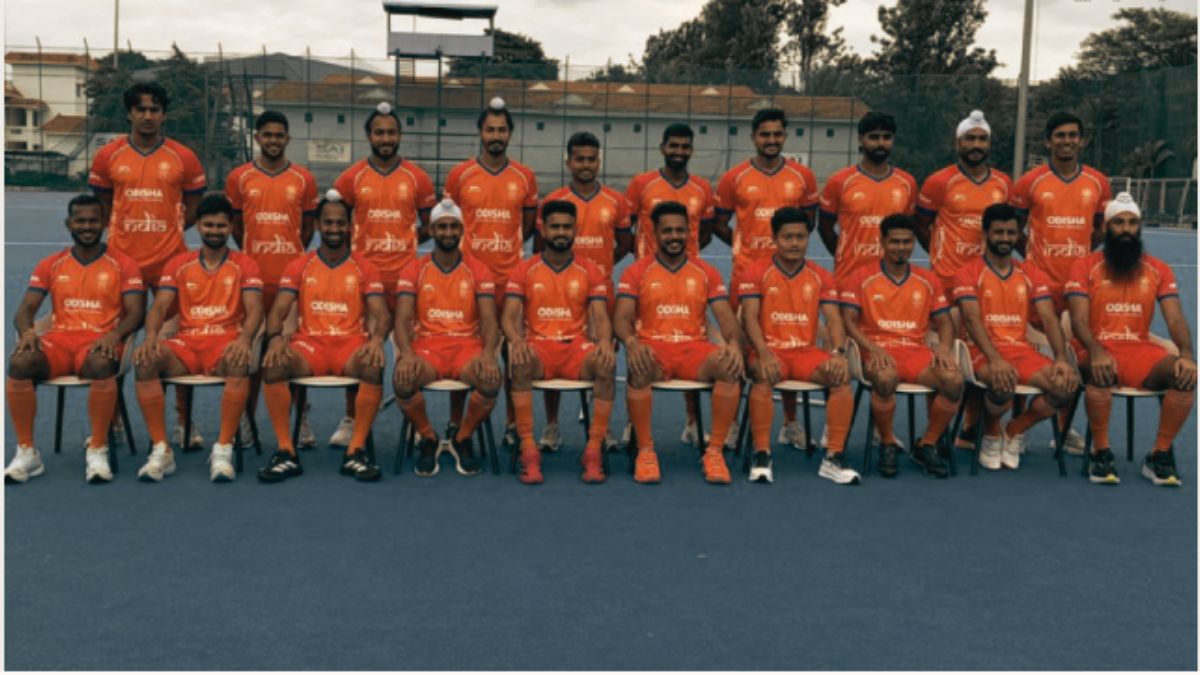
Hockey India has found itself at the center of a major controversy after unveiling the Indian men’s hockey team’s new orange-colored away jersey, replacing the traditional blue that has long been associated with the national side. The design change has triggered widespread debate among fans, former players, and political leaders, with many questioning whether altering the iconic color was necessary for a team that has represented India with distinction for decades.
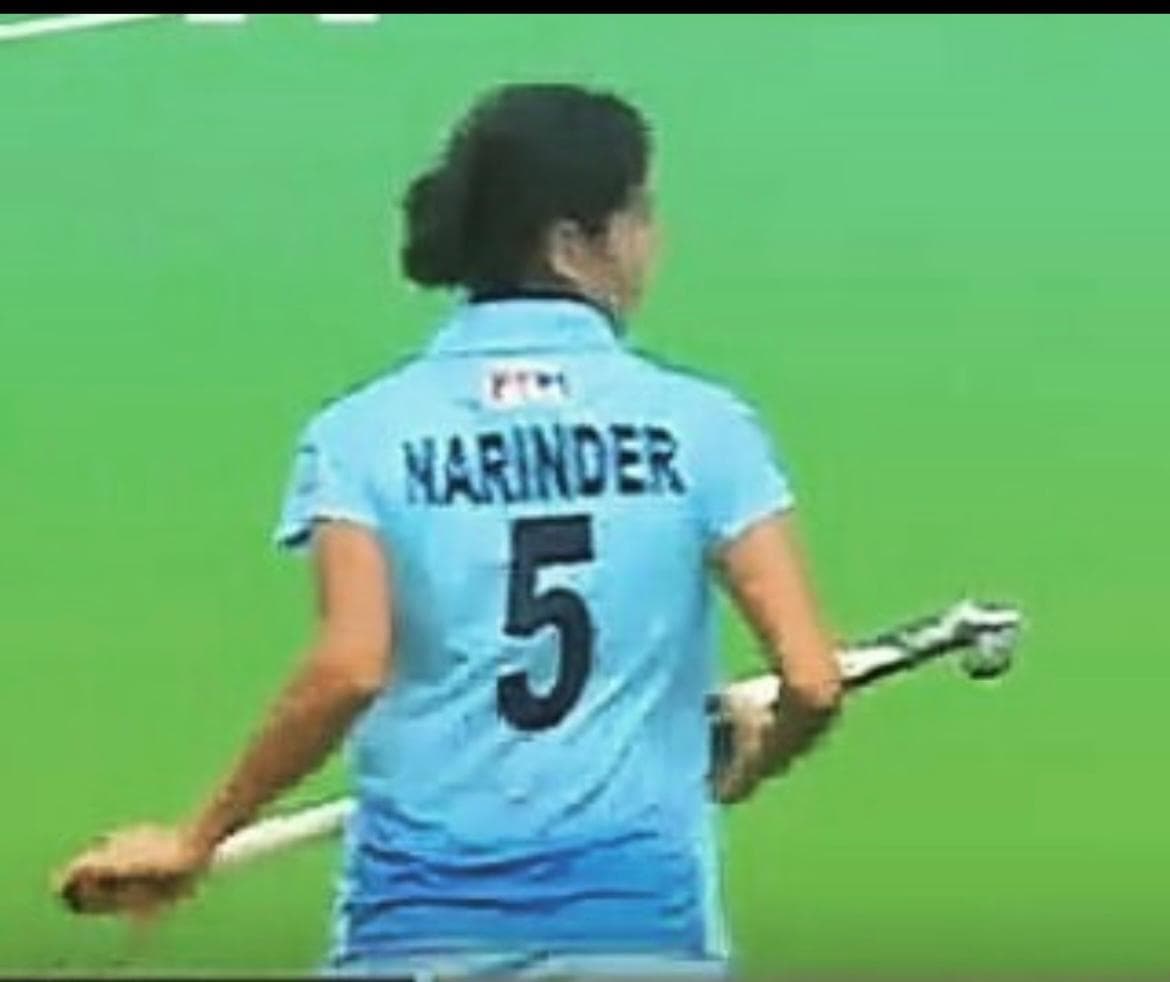
The controversy gained momentum after former Indian hockey midfielder Viren Rasquinha publicly expressed his disappointment over the decision. Rasquinha, one of India’s most respected hockey voices, stated that the country’s sporting identity has always been linked with the blue jersey and that there was no compelling reason to move away from it. According to him, the blue jersey symbolizes Indian hockey’s rich history, Olympic achievements, and emotional connection with millions of supporters.
His remarks quickly resonated across social media platforms, where fans echoed similar concerns. Many argued that while teams regularly introduce alternate kits for commercial or branding purposes, replacing an iconic national sporting color can dilute tradition. Others pointed out that India’s blue jersey has become instantly recognizable across global sporting events, making it an important part of the nation’s sporting identity.
The issue soon extended beyond sports after senior Congress leader Priyanka Gandhi Vadra entered the debate. Reacting to the controversy, she criticized the jersey change and remarked that “no matter what they change the color, the youth of this country have finally woken up.” Her statement added a political dimension to what had initially begun as a sporting discussion, resulting in sharp reactions from both supporters and critics.
Following Priyanka Gandhi’s comments, political leaders and social media users from different ideological backgrounds began debating whether the jersey controversy represented a simple design decision or something larger. Supporters of the government’s policies dismissed the criticism, arguing that alternate jerseys are common in international sports and that the issue was being unnecessarily politicized. Others believed that national sporting symbols deserve greater sensitivity because they represent collective emotions rather than marketing strategies.
Across international sports, teams frequently introduce alternate jerseys for logistical reasons, including avoiding color clashes during tournaments, enhancing merchandise sales, and modernizing team branding. Football, cricket, rugby, and hockey federations around the world regularly launch secondary kits that differ from their traditional home colors. However, national teams usually retain their iconic colors as their primary identity, ensuring continuity with their sporting heritage.
For Indian hockey supporters, the blue jersey carries historical significance. It has been worn during numerous Olympic campaigns, Asian Games triumphs, Commonwealth Games appearances, and FIH tournaments. Many fans associate the jersey with India’s glorious legacy of Olympic gold medals and the resurgence of Indian hockey in recent years. Because of this emotional connection, even a temporary shift in color has generated stronger reactions than Hockey India may have anticipated.
Supporters of the orange jersey, however, have offered a different perspective. They argue that the kit serves only as an alternate jersey and does not replace India’s traditional blue home uniform. According to this view, introducing fresh designs helps improve commercial appeal, attracts younger audiences, and aligns Indian hockey with global sporting trends where alternate kits have become commonplace. They believe performance on the field remains far more important than the color of the jersey.
The controversy also highlights how sports increasingly intersect with culture, identity, and politics in modern India. Jerseys are no longer viewed merely as uniforms but as symbols representing national pride and collective memory. Any significant alteration naturally invites public discussion, particularly when the sport involved enjoys deep historical significance like hockey.
For Hockey India, the challenge now lies in balancing innovation with tradition. Modern sports organizations depend heavily on branding, sponsorships, and merchandise revenue to strengthen their financial sustainability. At the same time, preserving iconic symbols that fans emotionally connect with remains equally important. Maintaining transparency regarding the purpose behind such design decisions could help reduce misunderstandings in the future.
As debates continue, the primary focus for the Indian hockey team remains its on-field performances. The players themselves have largely stayed away from the controversy, concentrating instead on preparations for upcoming international competitions. Ultimately, victories and strong performances are likely to shape public perception far more than jersey colors.
Nevertheless, the discussion surrounding the orange away jersey demonstrates how deeply Indian fans care about their sporting heritage. Whether one supports the design change or opposes it, the debate reflects the passion that hockey continues to generate across the country. It also serves as a reminder that national sporting symbols carry emotional value beyond aesthetics.
As Hockey India navigates the criticism, it will need to engage with supporters while preserving the legacy that has made Indian hockey one of the country’s proudest sporting traditions. The orange jersey may have been introduced as an alternate design, but the conversations it has sparked underline an important reality: for millions of Indians, the jersey is far more than fabric—it is a symbol of history, identity, and national pride.