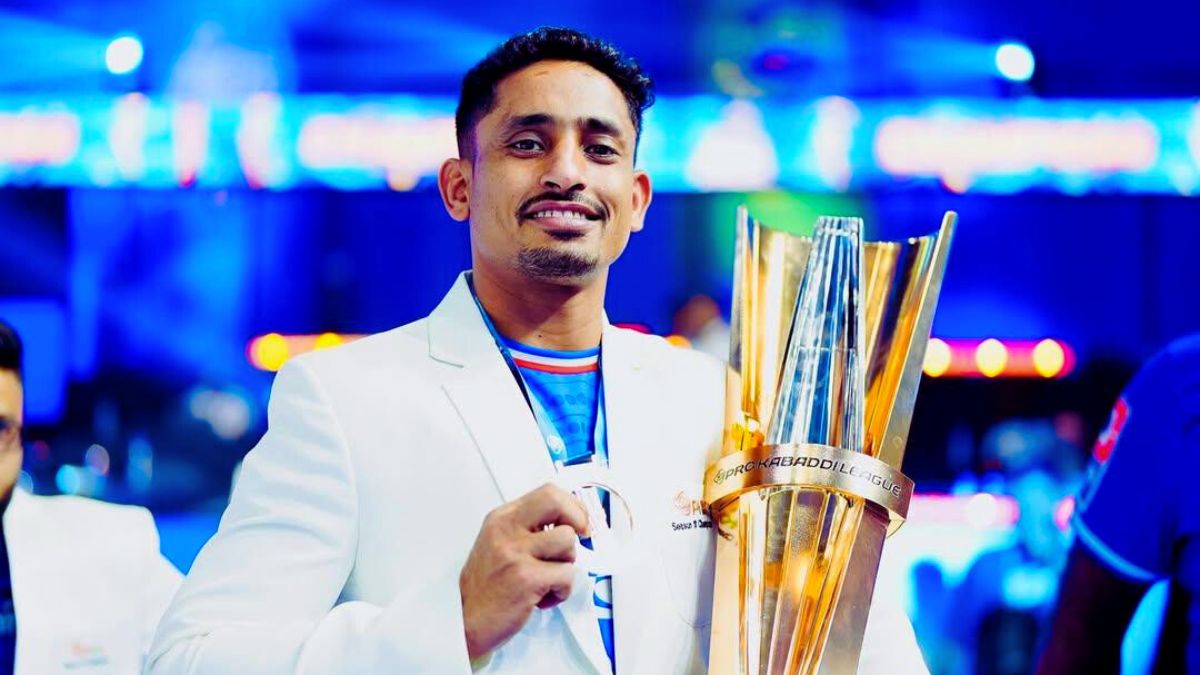
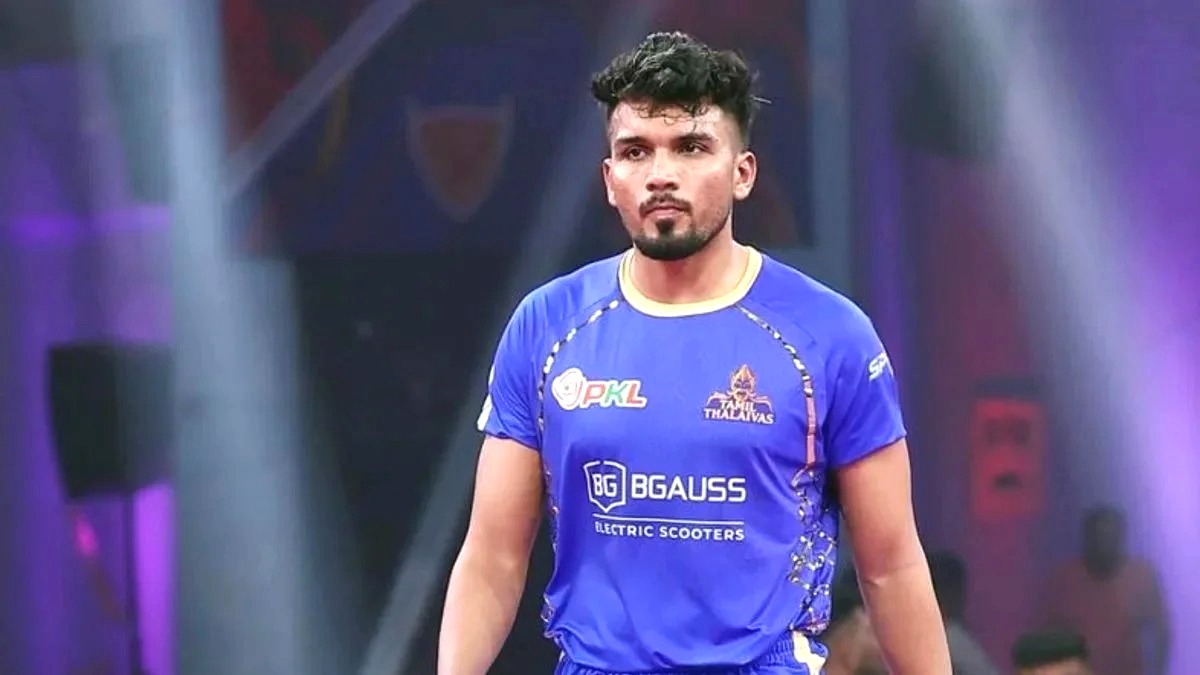
Harender Kumar Biography:
Harender Kumar’s journey in kabaddi is rooted in the traditional sporting culture of rural North India, where the game is more than a pastime—it is a way of life. Born into a modest family that valued discipline, physical fitness, and hard work, Harender was introduced to kabaddi at a young age. Like many aspiring players from India’s heartland, his first exposure to the sport came on dusty village grounds, where barefoot matches tested stamina, courage, and instinct rather than reputation.
From childhood, Harender displayed qualities that separated him from his peers. He possessed natural agility, a strong lower body, and a calm temperament that allowed him to read opponents effectively. While others relied purely on strength, Harender learned early the importance of balance, timing, and positioning. His family’s support, though limited in resources, played a crucial role in encouraging him to pursue kabaddi seriously.
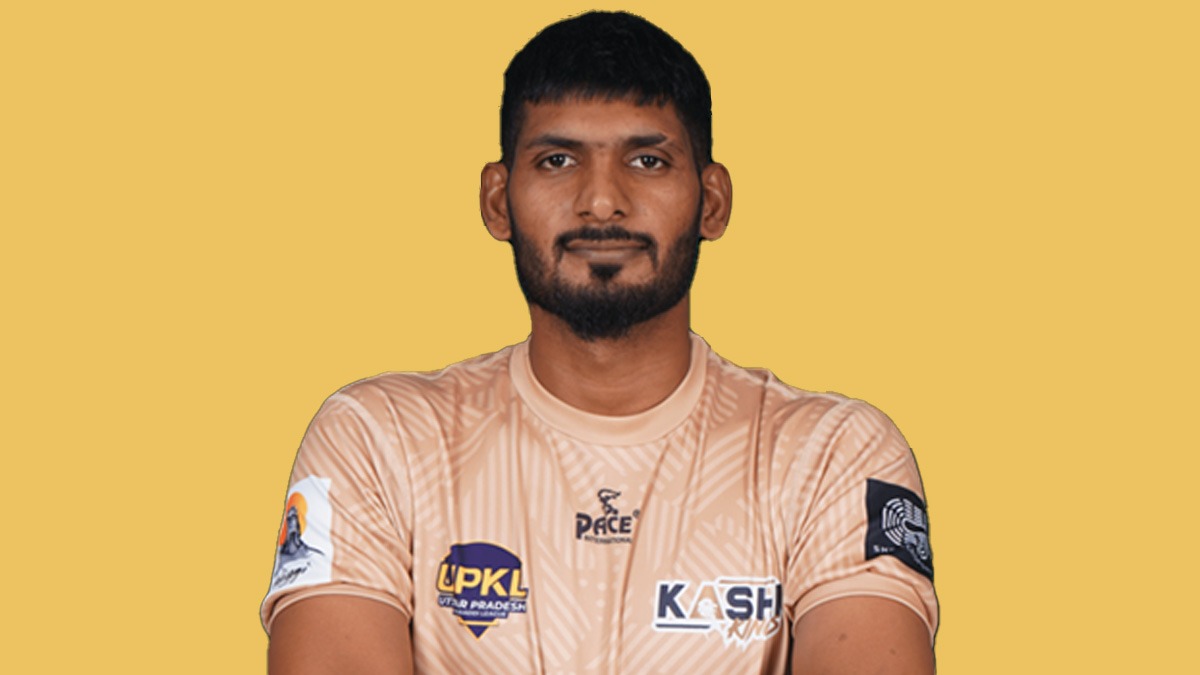
Introduction to Competitive Kabaddi
Harender Kumar’s transition from informal village matches to structured competitive kabaddi marked a turning point in his career. He began participating in local tournaments and school-level competitions, where his performances quickly attracted attention. Coaches and senior players recognized his potential, especially his willingness to learn and adapt.
As he progressed, Harender joined formal training setups where he was exposed to professional fitness routines, tactical drills, and match simulations. This phase helped him understand the modern demands of kabaddi, where speed, recovery, and decision-making are as important as physical power. Competing against stronger and more experienced opponents refined his mental toughness and prepared him for higher levels of competition.
Harender Kumar is known for his disciplined and intelligent approach to the game. Depending on team requirements, he has contributed both as a defender and a support raider, showcasing versatility that is highly valued in contemporary kabaddi.
Defensive Attributes
As a defender, Harender relies on timing rather than reckless aggression. His ankle holds and thigh holds are executed with precision, often catching raiders off-guard. He maintains a low center of gravity, which allows him to absorb pressure and complete tackles even against physically stronger opponents. His ability to coordinate with corner and cover defenders reflects his strong understanding of team defense.
Raiding Contributions
When deployed in raiding roles, Harender focuses on safe point accumulation rather than flashy raids. He emphasizes quick toe touches, controlled bonus attempts, and safe retreats. This pragmatic style makes him a dependable option during pressure situations, especially when teams need stability rather than risk.
Mental Strength
One of Harender’s most underrated qualities is his composure under pressure. He rarely lets a failed raid or missed tackle affect his confidence. This mental resilience has helped him earn the trust of coaches and teammates alike.
Harender Kumar’s consistent performances in district and state-level tournaments paved the way for opportunities in organized kabaddi leagues. Platforms such as state leagues and regional championships have played a vital role in shaping his career, providing him exposure to faster gameplay and professional environments.
Competing in these leagues not only tested his physical limits but also broadened his tactical understanding. Facing players with Pro Kabaddi League (PKL) experience allowed Harender to measure his own progress and identify areas for improvement. Each season added maturity to his game, turning raw talent into structured performance.
Behind Harender Kumar’s on-mat performances lies a rigorous training routine. His fitness philosophy revolves around consistency rather than short-term intensity. Strength training, agility drills, and endurance sessions form the backbone of his daily practice.
Equally important is his focus on recovery and injury prevention. Stretching, mobility work, and proper nutrition are integral parts of his routine. Harender understands that longevity in kabaddi depends on how well a player manages his body off the mat.
Like many Indian kabaddi players, Harender Kumar draws inspiration from legendary figures who have elevated the sport nationally and internationally. He admires players known for discipline, tactical intelligence, and leadership rather than just physical dominance. These role models have influenced his belief that success in kabaddi comes from a balance of skill, fitness, and mental strength.
He also credits his local coaches and senior teammates for shaping his mindset. Their guidance taught him the importance of humility, teamwork, and continuous learning—values that remain central to his career.
Challenges and Setbacks
Harender’s journey has not been without challenges. Limited resources, tough competition, and the constant pressure to perform are realities faced by most emerging kabaddi players. There were phases when opportunities were scarce and progress seemed slow.
Injuries and form slumps tested his patience, but Harender chose perseverance over frustration. Instead of losing confidence, he used setbacks as learning experiences, refining his technique and strengthening his mental resolve. These difficult phases ultimately contributed to his growth as a more complete athlete.
Beyond individual performance, Harender Kumar is valued for his team-first attitude. He communicates actively on the mat, helps organize defensive formations, and supports younger players. His understanding of match situations enables him to make smart decisions that benefit the team as a whole.
Coaches appreciate his adaptability and willingness to take on different roles depending on match strategy. Whether starting a game or coming in as a substitute, Harender approaches every opportunity with the same level of commitment.
Looking ahead, Harender Kumar aims to establish himself firmly in India’s top kabaddi circuits. His immediate focus remains on improving consistency, enhancing technical skills, and gaining exposure at higher competitive levels. Representing elite franchises and competing against the best players in the country remain long-term goals.
Harender also dreams of inspiring young athletes from rural backgrounds to believe in their potential. He understands the power of representation and hopes his journey can motivate others to pursue kabaddi with dedication and discipline.
While Harender Kumar’s career is still evolving, his journey reflects the essence of Indian kabaddi.
| Cultural Roots |
Traditional sporting culture of rural North India, where kabaddi is a way of life |
| Family Background |
Born into a modest family that valued discipline, physical fitness, and hard work |
| Early Exposure to Kabaddi |
Introduced at a young age through barefoot matches on dusty village grounds |
| Grassroots Experience |
Village-level games focused on stamina, courage, and instinct rather than reputation |
| Early Playing Traits |
Natural agility, strong lower body, calm temperament, ability to read opponents |
| Technical Foundation |
Early understanding of balance, timing, and positioning over raw strength |
| Family Support |
Strong emotional support despite limited resources |
| Entry into Competitive Kabaddi |
Transitioned from village matches to local tournaments and school-level competitions |
| Early Recognition |
Coaches and senior players noticed his potential and willingness to learn |
| Formal Training Phase |
Joined structured training setups with fitness routines, tactical drills, and match simulations |
| Modern Game Exposure |
Learned importance of speed, recovery, and decision-making alongside physical power |
| Competitive Growth |
Mental toughness developed by facing stronger and more experienced opponents |
| Primary Playing Style |
Disciplined and intelligent approach to kabaddi |
| On-Mat Versatility |
Contributed as both a defender and a support raider |
| Defensive Style |
Relies on timing rather than reckless aggression |
| Defensive Techniques |
Precise ankle holds and thigh holds |
| Body Positioning |
Maintains a low center of gravity to absorb pressure |
| Defensive Strength |
Effective even against physically stronger raiders |
| Team Defense Awareness |
Strong coordination with corner and cover defenders |
| Raiding Role |
Support raider when required by team strategy |
| Raiding Approach |
Focus on safe point accumulation |
| Raiding Techniques |
Quick toe touches, controlled bonus attempts, safe retreats |
| Pressure Handling (Raiding) |
Reliable option during high-pressure situations |
| Mental Strength |
Exceptional composure under pressure |
| Response to Failure |
Does not let failed raids or missed tackles affect confidence |
| Coach & Team Trust |
Earned trust through consistency and mental resilience |
| District-Level Experience |
Consistent performances in district tournaments |
| State-Level Experience |
Regular participation in state-level competitions |
| League Exposure |
Opportunities in organized kabaddi leagues |
| Key Development Platforms |
State leagues and regional championships |
| Professional Exposure |
Experience of faster gameplay and structured environments |
| High-Level Competition |
Faced players with Pro Kabaddi League (PKL) experience |
| Tactical Development |
Improved match reading and decision-making |
| Seasonal Growth |
Each season added maturity and structure to his performance |
| Training Philosophy |
Focus on long-term consistency rather than short-term intensity |
| Strength Training |
Regular strength conditioning |
| Agility Training |
Agility-based drills as a core practice component |
| Endurance Training |
Stamina and endurance sessions |
| Recovery Focus |
Emphasis on stretching and mobility work |
| Injury Prevention |
Preventive care as part of daily routine |
| Nutrition |
Proper nutrition as part of fitness management |
| Longevity Approach |
Belief that off-mat discipline ensures long career |
| Inspirational Figures |
Inspired by legendary kabaddi players |
| Admired Qualities |
Discipline, tactical intelligence, leadership |
| Coaching Influence |
Guided by local coaches and senior teammates |
| Core Values |
Humility, teamwork, continuous learning |
| Major Challenges |
Limited resources, intense competition, performance pressure |
| Career Difficult Phases |
Periods of limited opportunities and slow progress |
| Injury & Form Issues |
Faced injuries and form slumps |
| Response to Setbacks |
Chose perseverance and learning over frustration |
| Technical Refinement |
Improved techniques during setbacks |
| Mental Development |
Strengthened mental resolve through adversity |
| Team Contribution |
Strong team-first mindset |
| On-Mat Communication |
Actively communicates during matches |
| Leadership Support |
Helps organize defensive formations |
| Mentorship Role |
Supports younger players |
| Tactical Awareness |
Makes smart decisions based on match situations |
| Adaptability |
Willing to take different roles as per strategy |
| Match Approach |
Same commitment whether starter or substitute |
| Short-Term Goals |
Improve consistency and technical skills |
| Exposure Goals |
Gain experience at higher competitive levels |
| Long-Term Ambition |
Compete in India’s top kabaddi circuits |
| Elite Aspiration |
Represent elite franchises |
| Social Impact Goal |
Inspire young athletes from rural backgrounds |
| Philosophy of Representation |
Belief in motivating others through his journey |
| Career Status |
Career still evolving |
| Overall Identity |
Reflects the true essence of Indian kabaddi |