Virat Kohli–Rohit Sharma Communication Rift Deepens: Ravi Shastri’s Explosive Remarks, BCCI’s Growing Concern & What It Means for Indian Cricket
Indian cricket is once again in the spotlight—and not for on-field excellence. Over the past few months, controversies, communication breakdowns, and internal tensions have overshadowed the team’s performance. From selection disputes to dressing-room fractures, too many stories are emerging that point towards a system struggling to hold itself together.
In the middle of this storm sit two of Indian cricket’s biggest icons: Virat Kohli and Rohit Sharma. Their equation has always been closely scrutinized by fans and the media, but the latest developments suggest that things have escalated beyond the usual chatter.
Recently, a new twist emerged when former India head coach Ravi Shastri—someone who shares a deep professional and personal rapport with both Kohli and Rohit—made a striking comment during an interaction with Prabhat TV. With the full interview scheduled to release on 7 December 2025, his teaser remarks have already sparked nationwide debate.
According to Shastri:
“Yeh dono—Rohit aur Virat—dada khiladi hain white-ball cricket mein. Inke saath jo ho raha hai woh sahi nahi. Agar dono apne pe aa gaye toh sab gayab ho jaayenge.”
While Shastri stopped short of naming individuals responsible for this communication breakdown, his words strongly hint that not everything is well inside the Indian team setup.
A Rift That Has Been Brewing for Long
The tension between the senior stars and the team management is not exactly new. Rumors of miscommunication, disagreements over planning, and lack of transparency have been circulating since the end of the 2023 ODI World Cup. However, reports indicate that the friction has intensified after the arrival of the new coaching and selection leadership.
Sources across multiple media platforms have suggested that Gautam Gambhir (Head Coach) and Ajit Agarkar (Selection Committee Chairman) may not be on the same page as Kohli and Rohit regarding several key decisions, including squad rotation, batting roles, and long-term white-ball planning.
Though nothing is officially confirmed, the silence from the players and the carefully worded statements from BCCI only add more fuel to the fire.
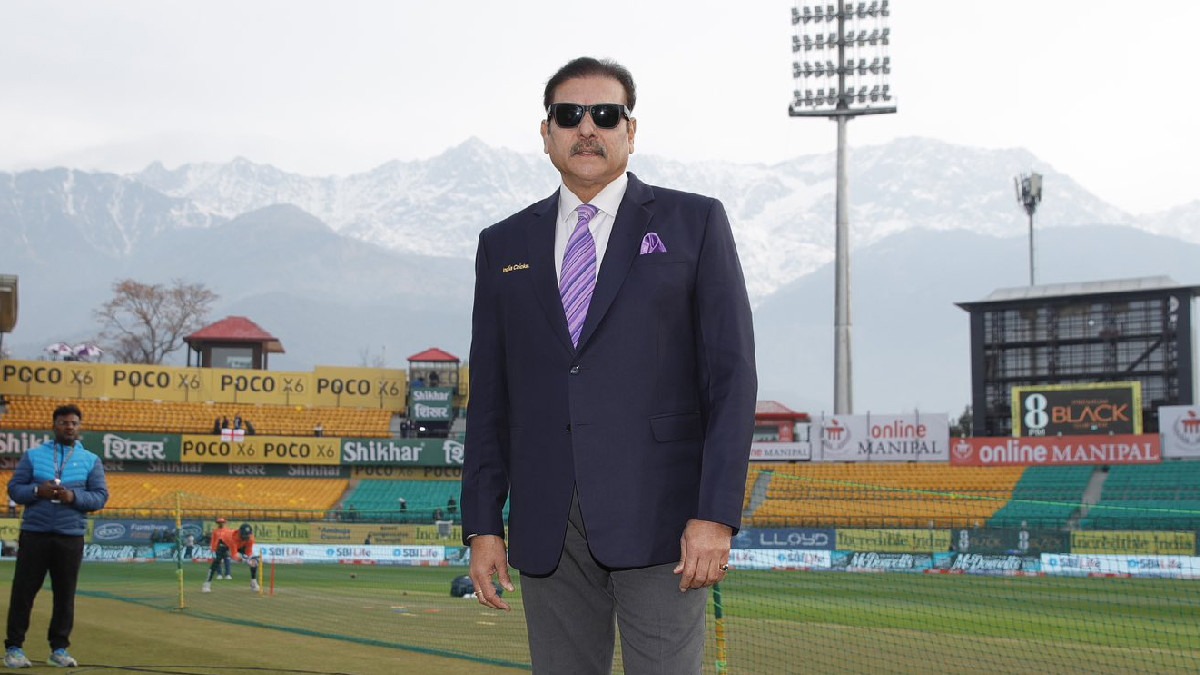
What’s more concerning is that the latest reports point toward minimal communication between the captaincy leadership group and the management. If the two most influential cricketers of the modern era are not aligned with the coach and selectors, it inevitably reflects on team culture and clarity.
Why Ravi Shastri’s Statement Matters
Ravi Shastri is not just another voice among former cricketers. His tenure as India’s head coach was marked by a strong bond with both Rohit and Kohli. He managed the duo during some of India’s most successful phases, including two series wins in Australia and a dominant home run across formats.
Shastri has always been known for speaking bluntly, but he typically avoids fueling controversies unnecessarily. So, when he says something like this, it carries weight.
By calling Rohit and Kohli “dada khiladi”, he reminds the cricket fraternity that these two aren’t just players—they are the backbone of Indian cricket’s success in white-ball cricket for over a decade. Any communication gap with them isn’t a small hiccup; it’s a structural failure.
Shastri’s warning—**“agar dono apne pe aa gaye toh sab gayab ho jaayenge”—**suggests frustration among the senior players and hints that their suppressed discontent might soon spill publicly if not handled carefully.
BCCI Steps In: Pragyan Ojha Brought as Mediator
The fact that the Board of Control for Cricket in India felt the need to send Pragyan Ojha as a mediator speaks volumes about how serious the situation is. Ojha, a former cricketer and member of the Indian Cricketers’ Association, is known for his calm demeanor and balanced approach. His inclusion is a clear message:
The situation is not just a rumor anymore—things are genuinely strained.
A mediator is needed only when communication has broken down completely. The BCCI is visibly concerned that the instability could affect India’s preparation for upcoming major tournaments, including the Champions Trophy 2026 and the next T20 and ODI cycles.
Ojha’s role will be to create a safe space for dialogue and ensure that egos, misunderstandings, or miscommunications don’t derail India’s long-term cricketing roadmap.
Where Did Things Start Going Wrong?
1. Leadership Transition Issues
After Rohit stepped away from white-ball captaincy discussions and Kohli scaled down his involvement in T20s, a new structure was expected to emerge. But unclear leadership pathways and sudden shifts created confusion.
2. Selection Transparency Concerns
Both Rohit and Kohli reportedly expressed dissatisfaction with how certain selection decisions were communicated, particularly regarding new players being added or dropped.
3. Coaching Style Differences
Gambhir is known for being intense and direct. While that approach works for many players, it may not align seamlessly with senior players accustomed to a different working style under Shastri and Dravid.
4. Media Leaks & Narrative Pressure
Continuous leaks, speculative stories, and PR-driven angles have added pressure on all sides. When narratives start dominating facts, relationships begin to strain.
Impact on Team Environment
The Indian team’s dressing room has historically thrived on unity and clarity. Even during transitions between Dhoni, Kohli, and Rohit, the internal respect remained intact. But the current situation seems different.
Young players may feel caught between multiple leadership voices.
Senior players may feel underutilized or sidelined.
Coaches and selectors may feel challenged by the aura of legacy players.
This environment is neither healthy nor sustainable for a top-tier international side.
What Happens When Icons Feel Disrespected?
History shows that when major players feel undervalued, the repercussions extend far beyond individual careers. Whether it was Sehwag-Chappell, Ganguly-Chappell, or even Dhoni’s late-career tussles with selectors — unresolved ego clashes have long-term effects.
If Kohli and Rohit, the two pillars of modern Indian cricket, feel unheard or marginalized, it risks creating fractures that could take years to mend.
The Road Ahead — Can This Be Resolved?
Indian cricket has seen its share of internal storms, but it has always emerged stronger—largely because the BCCI eventually steps in to calm the waters. The involvement of Pragyan Ojha suggests the board is serious about restoring harmony.
What India needs now is:
Clear communication channels
Defined leadership roles
Respect for seniority and contribution
Transparency in selection policies
Accountability from both management and players
The upcoming release of the full Ravi Shastri interview on 7 December 2025 may further intensify discussions, but it may also push the BCCI to take firmer corrective measures.
Conclusion
Indian cricket is standing at a crossroads. The team is overflowing with talent, experience, and potential, but internal communication gaps are threatening to derail progress. Virat Kohli and Rohit Sharma are not just senior players—they are generational legends who have shaped Indian cricket’s white-ball identity for over a decade.
If their relationship with the current management continues to deteriorate, the ripple effects could be enormous.
Ravi Shastri’s blunt remarks have already put the spotlight on the cracks, and BCCI’s quick intervention proves that things indeed are not as smooth as they appear from the outside.
What remains to be seen is whether all sides will come together, rebuild trust, and focus once again on what matters most: winning games for India.
Vertical Tabular Format
1. Title
| Heading | Information |
|---|---|
| Title | Virat Kohli–Rohit Sharma Communication Rift Deepens: Ravi Shastri’s Explosive Remarks, BCCI’s Growing Concern & What It Means for Indian Cricket |
2. Overview
| Topic | Information |
|---|---|
| Situation | Internal tensions, communication gaps, and leadership conflicts overshadowing India’s cricket performance. |
| Key Figures | Virat Kohli, Rohit Sharma, Ravi Shastri, Gautam Gambhir, Ajit Agarkar, BCCI. |
| Core Issue | Breakdown in communication between senior players and team management. |
3. Key Trigger
| Source | Information |
|---|---|
| Ravi Shastri’s Comment | “Yeh dono—Rohit aur Virat—dada khiladi hain white-ball cricket mein. Inke saath jo ho raha hai woh sahi nahi. Agar dono apne pe aa gaye toh sab gayab ho jaayenge.” |
| Impact | Sparked national debate and intensified media focus on team politics. |
4. Background of Rift
| Aspect | Information |
|---|---|
| Long-term Tension | Reports of miscommunication and disagreements since post-2023 ODI World Cup. |
| Recent Escalation | Differences with new coaching & selection leadership. |
| Key Disagreements | Squad rotation, batting roles, roadmap for white-ball cricket. |
5. Management Clash
| Involved Parties | Issue |
|---|---|
| Gautam Gambhir (Head Coach) | Possible differences in strategy & communication style with senior players. |
| Ajit Agarkar (Selection Chief) | Reported lack of transparency in selection talks. |
| Kohli & Rohit | Feel sidelined in decision-making processes. |
6. Why Shastri’s Words Matter
| Reason | Information |
|---|---|
| Relationship | Strong rapport with Kohli & Rohit from his coaching tenure. |
| Reputation | Known for honest, impactful statements. |
| Interpretation | Suggests deep-rooted frustration among senior players. |
7. BCCI Intervention
| Action | Details |
|---|---|
| Mediator Appointed | Pragyan Ojha sent to resolve communication issues. |
| Significance | Confirms that tensions are serious and not media speculation. |
| Objective | Rebuild trust, facilitate dialogue, and stabilize team environment. |
8. Where Things Went Wrong
| Area | Breakdown |
|---|---|
| Leadership Transition | Sudden shifts & unclear future pathways. |
| Selection Transparency | Senior players unhappy with opaque decisions. |
| Coaching Approach | Gambhir’s intense style may clash with senior expectations. |
| Media & Leaks | PR-driven stories worsening tensions. |
9. Impact on Dressing Room
| Stakeholder | Effect |
|---|---|
| Young Players | Confusion due to multiple leadership voices. |
| Senior Players | Feeling undervalued or marginalized. |
| Coaches & Selectors | Feeling challenged by legendary status of players. |
10. Historical Parallels
| Example | Impact |
|---|---|
| Ganguly–Chappell | Dressing room divide & long-term damage. |
| Sehwag–Chappell | Trust deficit. |
| Dhoni–Selectors (late career) | Repeated disagreements on selections. |
11. Possible Consequences
| Risk | Outcome |
|---|---|
| Senior Player Frustration | Public fallout & long-lasting fractures. |
| Unclear Roles | Poor on-field performances. |
| Weak Team Culture | Reduced confidence among emerging players. |
12. The Way Forward
| Requirement | Purpose |
|---|---|
| Clear Communication | Build trust across roles. |
| Defined Leadership Roles | Avoid confusion in decision-making. |
| Respect for Seniority | Honor legacy players’ contribution. |
| Transparent Selection Policy | Prevent future disputes. |
| Accountability | Shared responsibility between management & players. |
13. Upcoming Flashpoint
| Event | Details |
|---|---|
| Ravi Shastri Full Interview | Releases on 7 December 2025; may escalate debate further. |
14. Conclusion
| Summary | Information |
|---|---|
| Current Status | Indian cricket in a sensitive, transitional phase. |
| Concern | Kohli–Rohit communication breakdown may harm long-term plans. |
| BCCI Response | Mediation begun to prevent deeper crisis. |
| Outlook | Resolution possible if all parties rebuild trust & clarity. |