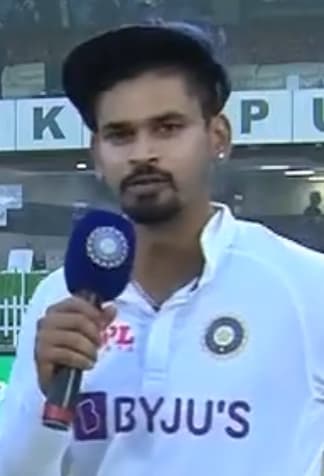
The T20 World Cup 2026 featuring 8 teams which include- India, South Africa, Zimbabwe and West Indies in One Group whereas Pakistan, Sri Lanka, New Zealand and England are placed in other group.
All these 8 teams are phenomenal and played outstanding cricket and they would be looking to go all gunz blazing to deliver to the best of their ability.
The Semifinal round will begun from 21st Feb 2026 where Pakistan will start their campaign against New Zealand.
Zimbabwe and West Indies have been dark horse of this tournmaent.
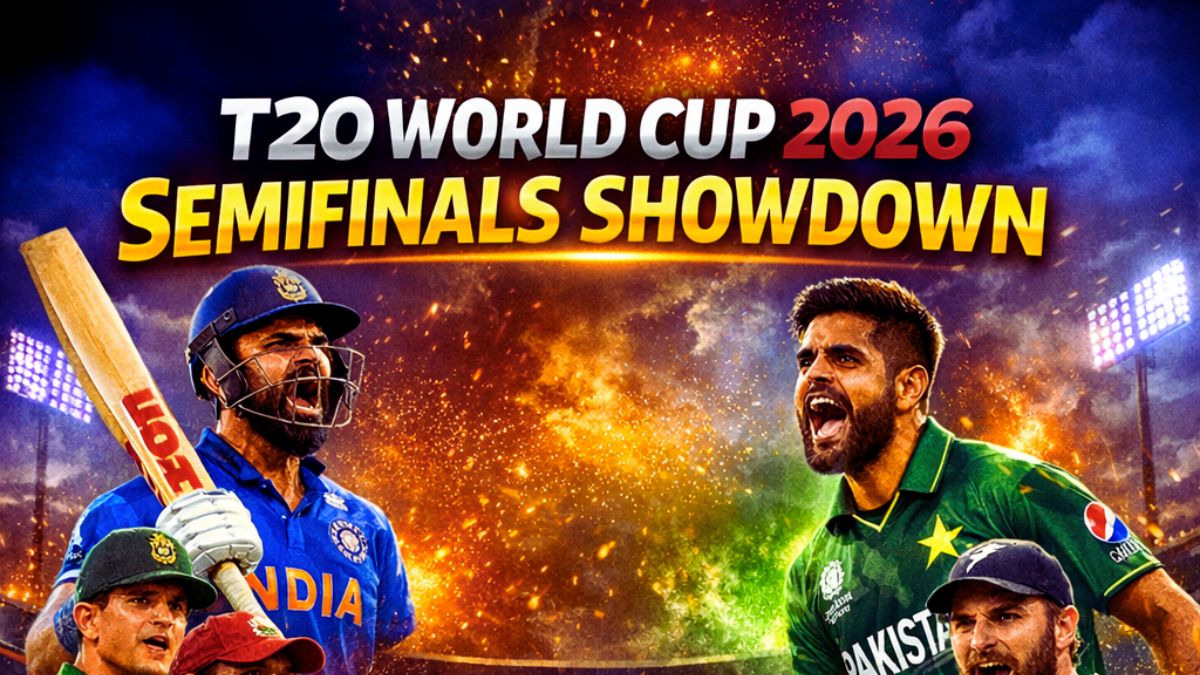
Considering all permutations and combinations, India, New Zealand and South Africa one of the most strongest contenders to win this tournament.
More Details:
The T20 World Cup 2026 has reached its most electrifying phase. After weeks of high-intensity cricket, only eight elite teams remain in contention for the ultimate prize. Group A features India, South Africa, Zimbabwe, and West Indies, while Group B includes Pakistan, Sri Lanka, New Zealand, and England. Every side has shown resilience, tactical depth, and explosive match-winning ability — making this edition one of the most competitive in recent memory.
The semifinal stage begins on 21st February 2026, with Pakistan taking on New Zealand in what promises to be a tactical masterclass. Knockout cricket is unforgiving. One bad over, one dropped catch, one moment of hesitation — and a team’s campaign can collapse. That’s why experience, temperament, and composure under pressure become decisive factors.
Group A: Power Meets Momentum
India entered the tournament as pre-event favorites, and they have largely lived up to expectations. With a balanced squad combining aggressive top-order batting and disciplined death bowling, India’s adaptability across conditions has stood out. Their ability to accelerate in the powerplay and maintain control during middle overs gives them a structural advantage. In crunch matches, depth matters — and India possesses it in both batting and bowling departments.
South Africa, on the other hand, have showcased fearless cricket. Traditionally labeled as a team that falters in knockout stages, this squad appears mentally stronger and tactically sharper. Their pace attack has delivered under pressure, while their middle order has anchored innings intelligently. If South Africa maintain composure in high-stakes moments, they are a genuine title threat.
Zimbabwe have emerged as one of the biggest stories of the tournament. Once considered underdogs, they have demonstrated discipline, hunger, and unity. Their bowling attack has punched above its weight, and their fearless batting approach has unsettled stronger opponents. Zimbabwe’s rise reflects a shift in global cricket dynamics — smaller nations are no longer just participants; they are competitors.
West Indies, two-time T20 world champions, cannot be underestimated. Their natural flair and power-hitting capability make them dangerous in knockout cricket. When their top order fires, they can dismantle any bowling attack. However, consistency remains their biggest question mark. If they string together two clinical performances, they could shock the cricketing world once again.
Group B: Tactical Depth and Big-Match Temperament
Pakistan versus New Zealand in the semifinal opener is a fascinating contrast. Pakistan thrive on unpredictability and emotional momentum. Their bowling unit often sets the tone, and when their fast bowlers hit rhythm, they become nearly unstoppable. However, their batting inconsistency can either elevate them to brilliance or expose vulnerabilities.
New Zealand, in contrast, are the masters of calculated execution. They rarely panic. Their fielding standards, strategic planning, and adaptability in pressure games make them one of the most complete T20 sides. Historically, they have excelled in ICC tournaments by maximizing small moments. In knockout cricket, that marginal advantage often defines champions.
Sri Lanka have shown flashes of brilliance, especially through spin dominance in middle overs. Their young core has added fresh energy, but consistency in high-pressure chases remains a challenge. England, known for aggressive white-ball cricket, continue to rely on their attacking philosophy. When their batting lineup clicks, they can post or chase monumental totals. Yet their aggressive template also carries inherent risk.
Dark Horses: Zimbabwe and West Indies
Zimbabwe and West Indies entering the semifinals conversation as dark horses changes the tournament’s narrative. Zimbabwe’s structured bowling plans and team cohesion have proven that belief can bridge resource gaps. West Indies bring unmatched T20 pedigree and the confidence of past glory. In knockout scenarios, unpredictability can be an asset.
Both teams thrive when underestimated. If either side reaches the final, it would symbolize the evolving competitiveness of global T20 cricket.
The Strongest Contenders
Considering permutations and combinations — current form, squad balance, tactical clarity, and big-match experience — India, New Zealand, and South Africa appear to be the strongest contenders to lift the trophy.
India’s depth gives them flexibility in any match situation. New Zealand’s composure under pressure makes them structurally efficient. South Africa’s renewed mental toughness could finally break their historical barrier in ICC tournaments.
However, T20 cricket remains the most unpredictable format. Momentum shifts within overs. One extraordinary spell, one fearless fifty, or one game-changing catch can alter destiny.
What Will Decide the Champion?
Powerplay Efficiency – Early wickets or explosive starts often dictate match tempo.
Death Bowling Execution – Controlling the final four overs separates champions from contenders.
Middle-Order Stability – In knockout matches, collapses are common; stability wins trophies.
Mental Composure – Handling scoreboard pressure under lights defines semifinal heroes.
As the semifinal stage begins on 21st February 2026, anticipation reaches its peak. The margins will be razor thin. Every team has earned its place. Every squad believes it can go all guns blazing.
The question is no longer about talent — all eight teams possess it.
The real question is: who will hold their nerve when it matters the most?
Because in T20 cricket, champions aren’t just the strongest on paper.
They are the bravest in the moment.
T20 World Cup 2026 – Tournament Overview (Tabular Format)
| Category | Details |
|---|---|
| Tournament Stage | Semifinal Phase |
| Total Teams Remaining | 8 Teams |
| Semifinal Start Date | 21st February 2026 |
| Opening Semifinal Match | Pakistan vs New Zealand |
| Format Nature | Knockout – High Pressure, One Mistake Can Decide Outcome |
Group Distribution
| Group | Teams |
|---|---|
| Group A | India, South Africa, Zimbabwe, West Indies |
| Group B | Pakistan, Sri Lanka, New Zealand, England |
| Team | Strengths | Key Characteristics | Title Chances Assessment |
|---|---|---|---|
| India | Balanced squad, aggressive top-order, disciplined death bowling | Strong powerplay acceleration, middle-over control, depth in batting & bowling | One of the strongest contenders |
| South Africa | Fearless approach, strong pace attack, stable middle order | Improved mental strength, tactical sharpness | Genuine title threat |
| Zimbabwe | Disciplined bowling, fearless batting | Hunger, unity, punching above weight | Dark Horse |
| West Indies | Explosive power-hitting, T20 pedigree | Dangerous when top order fires, past champions | Dark Horse with knockout threat |
Group B Analysis – Tactical Depth & Temperament
| Team | Strengths | Key Characteristics | Title Chances Assessment |
|---|---|---|---|
| Pakistan | Strong fast bowling, thrives on momentum | Unpredictable, emotional intensity | Semifinal contender |
| New Zealand | Tactical execution, elite fielding, composure | Calm under pressure, strategic adaptability | Strongest contender |
| Sri Lanka | Spin dominance, energetic young core | Middle-over control, inconsistent chases | Competitive but inconsistent |
| England | Aggressive white-ball philosophy | High-scoring potential, risk-heavy template | Dangerous if batting clicks |
Dark Horses of the Tournament
| Team | Why They Are Dangerous |
|---|---|
| Zimbabwe | Structured bowling plans, fearless mindset, team cohesion |
| West Indies | T20 pedigree, power-hitting strength, past ICC success |
Strongest Contenders to Win
| Rank Category | Teams |
|---|---|
| Top Title Contenders | India, New Zealand, South Africa |
| X-Factor Teams | Zimbabwe, West Indies |
| Tactical Efficiency Team | New Zealand |
| Depth Advantage Team | India |
| Mental Resilience Factor | South Africa |
Key Factors That Will Decide the Champion
| Match Factor | Impact on Result |
|---|---|
| Powerplay Efficiency | Early wickets or explosive starts define tempo |
| Death Bowling Execution | Final four overs control match outcome |
| Middle-Order Stability | Prevents collapses in knockout pressure |
| Mental Composure | Critical in semifinal & final scenarios |
Tournament Narrative Summary
| Element | Insight |
|---|---|
| Competitiveness Level | One of the most competitive editions |
| Format Nature | Highly unpredictable T20 dynamics |
| Defining Reality | Talent is equal – nerve under pressure will decide champion |
| Ultimate Question | Who will hold their nerve when it matters most? |
Conclusion:
The semifinal stage of T20 World Cup 2026 promises razor-thin margins, high-pressure battles, and unpredictable momentum swings. While India, New Zealand, and South Africa appear structurally strongest, Zimbabwe and West Indies remain powerful disruptors capable of reshaping the tournament narrative.