

Supreme Court Sports Ruling: Breaking Down Barriers in Indian Sports
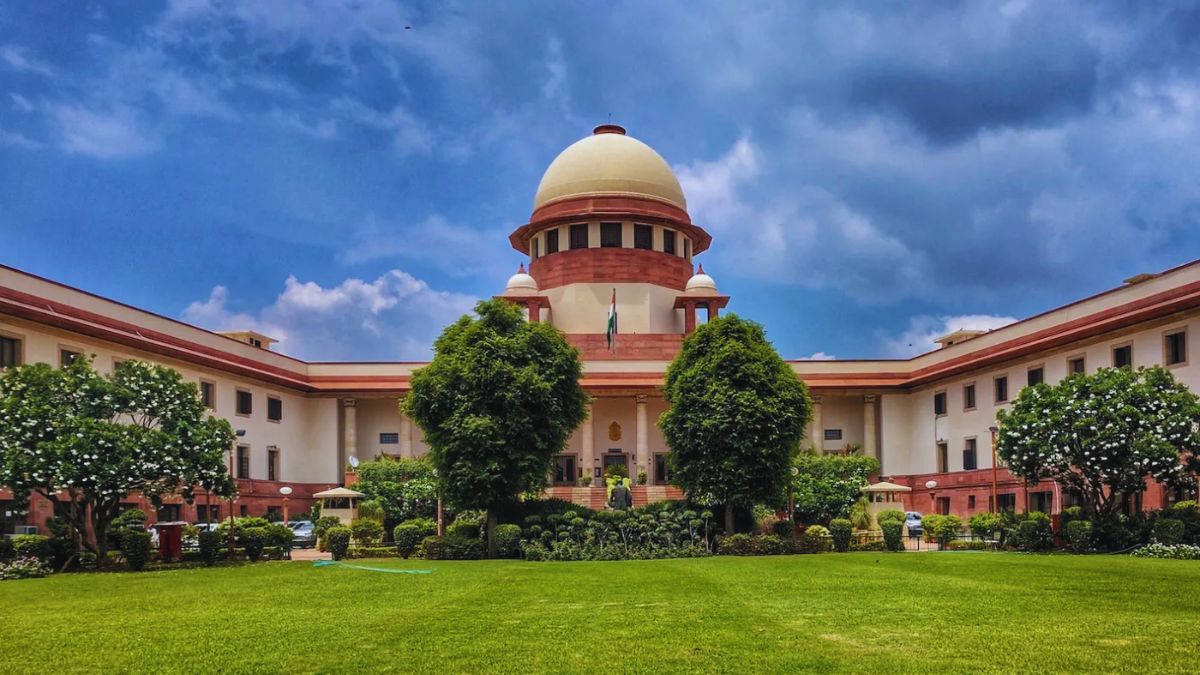
The Supreme Court sports ruling has brought a big change to how we think about sports in India. In a recent case about the All India Football Federation, Justice P.S. Narasimha said something very important. He said that sports should not be only for rich people. Instead, sports must be available to everyone in our country.
What the Supreme Court Said About Sports
The Supreme Court sports ruling made it clear that sports are not just games. They are much more than that. The court said that sports and the people who run sports should be seen as important parts of our national life. This means that both playing sports and managing sports should be open to all deserving people, no matter if they are rich or poor.
Justice Narasimha explained that sports bring people together in a special way. He said that when people play sports together, they forget about their differences. They work as a team and learn to trust each other. This happens whether people play national games, international games, regional games, or even small games in their neighborhood.
The judge also said something interesting about how courts work. He said that courts cannot force people to become friends or work together. But sports can do this naturally. When people play together, they build trust and learn to work as a team without anyone forcing them to do it.
Sports as a Tool to Unite People
The Supreme Court sports ruling talked about how sports can fight against many bad things in society. Sports can help reduce problems like treating people badly because of their religion, caste, or skin color. When people play sports together, they focus on the game instead of these differences.
The court said that sports create a special place where people from different backgrounds come together. People who speak different languages, follow different religions, or come from different social groups all work together when they play sports. This helps build the feeling of brotherhood that our Constitution talks about.
On the sports field, players must work together to win. They cannot think about whether their teammate is from a rich family or a poor family. They cannot worry about which religion their teammate follows. All that matters is playing well as a team. This teaches people important lessons about cooperation and respect.
Making Sports Available to Everyone
One of the most important parts of the Supreme Court sports ruling is about making sports available to all people. The court said very clearly that sports should not be something that only rich people can enjoy. When sports are open to everyone, regardless of their background, sports become much more powerful in bringing people together.
The judge said that if we want sports to really bring people together, then everyone must have a chance to play. This means people from villages, people from cities, people from rich families, and people from poor families should all have the same chances to play sports.
The court also talked about sports administration. This means the people who organize sports events and run sports organizations. The Supreme Court sports ruling said that these important jobs should also be open to deserving people from all parts of society. It should not only be people from rich families who get to make decisions about sports.
The Role of Government and Money in Sports
The Supreme Court sports ruling gave the government some important jobs to do. The court said it should be the government’s main work to make sure that sports facilities and opportunities grow in the right way. These facilities should be run with honesty, skill, and good management.
The court made a strong point about money in sports. Right now, many sports events make a lot of money from television rights, sponsorship deals, and other sources. The judge said that this money should not stay with only rich people or big companies. Instead, this money should be used to make sports more available and cheaper for regular people.
Justice Narasimha specifically said that sports must not stay in the control of only the “urban economic elite.” This means that rich people from big cities should not be the only ones who benefit from sports. The money that comes from sports should help people from all backgrounds enjoy sports.
What This Means for Sports Bodies
The Supreme Court sports ruling has big effects for organizations that run sports in India. These sports bodies now have clear instructions about how they should work. They cannot just focus on making money or helping only certain groups of people.
Sports organizations must now think about how to reach people in villages and smaller towns. They must find ways to make sports training and facilities available to children and adults who cannot afford expensive coaching or equipment.
The ruling also means that when sports bodies choose their leaders, they should pick people based on their skills and honesty, not just because they have money or political connections. This could lead to better management of sports in India.
Building Brotherhood Through Sports
The Supreme Court sports ruling explained how sports help build what the Constitution calls “fraternity” or brotherhood. The court said that this brotherhood cannot be created by laws or court orders. It must grow naturally through shared experiences.
Sports provide these shared experiences in a very natural way. When people train together, compete together, and celebrate victories together, they build real friendships. These friendships often cross the lines that usually divide people in society.
The court noted that this happens at all levels of sports. Whether people play in international competitions or just in their local area, the same good things happen. People learn to work together, support each other, and respect each other.
The Supreme Court sports ruling has set new standards for how sports should work in India. It has made it clear that sports are not luxury items for rich people. Instead, sports are important resources that belong to the whole community.
This ruling calls for sports to be more democratic. It wants sports opportunities to reach every corner of India, from big cities to small villages. It wants sports administration to be open to talented people from all backgrounds.
The court has also shown that sports have a special power to bring people together and reduce social divisions. By making sports more accessible to everyone, India can use this power to build a stronger and more united society.
The Supreme Court sports ruling represents a new way of thinking about sports in India. It sees sports not just as entertainment or exercise, but as important tools for building the kind of society that our Constitution envisions – one where all people have equal opportunities and work together in brotherhood.