
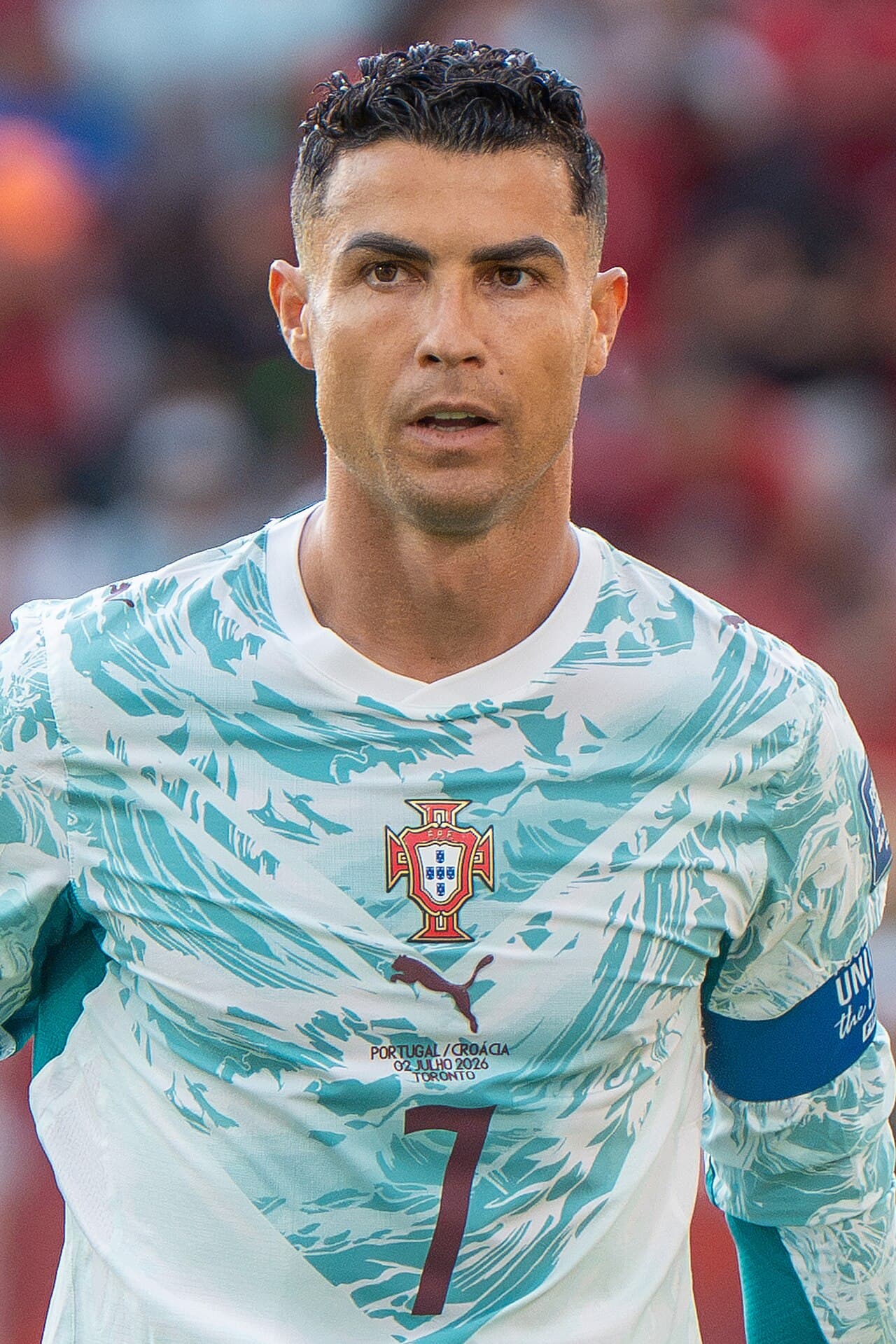
Cristiano Ronaldo announced his retirement from international football on 5 November 2026, concluding a two‑decade World Cup journey that began in Germany in 2006. Over six editions he found the net eleven times, a record that makes him the first player to score in six different World Cups. The announcement caps a career that saw him amass 146 goals and 234 caps for Portugal, cementing his status as the nation’s most prolific scorer.
Ronaldo’s World Cup legacy is defined by consistency across tournaments. He opened his World Cup account with a memorable strike in the 2006 German edition, then added four goals at the 2018 tournament in Russia, showcasing his ability to deliver on the sport’s biggest stage. By the time the 2026 World Cup arrived, his tally stood at eleven goals, a figure that underscores his longevity and impact in the competition’s history.
The six‑tournament span of Ronaldo’s World Cup involvement reflects a rare durability in elite football. Scoring in each of the editions from 2006 through 2026, he set a benchmark that no other player has matched. This achievement highlights not only his personal skill but also Portugal’s continued presence at the tournament, allowing him to showcase his talent across different generations of teammates and opponents.
Ronaldo’s retirement marks the end of an era for Portuguese football, which will now look to the next generation to fill the void left by its most celebrated forward. His 146 international goals remain a record for Portugal, and his 234 appearances illustrate a commitment rarely seen at the highest level. The national team’s future strategies will need to adapt to the loss of his experience and goal‑scoring prowess.
Beyond the numbers, Ronaldo’s World Cup story has become a narrative thread woven through modern football. His ability to score in six separate tournaments has been highlighted across major sports circuits, reinforcing his iconic status. The record of eleven World Cup goals, accumulated over twenty years, serves as a benchmark for aspiring players and a testament to his enduring quality on the world stage.
The football community anticipates further official statements from the Portuguese Football Federation regarding the transition following Ronaldo’s departure. While the federation has not yet detailed immediate plans, it is expected that upcoming competitive fixtures will feature the integration of emerging talents who will aim to uphold the standards set by their legendary predecessor.
Looking ahead, the focus will shift to the next World Cup cycle, with Portugal aiming to build on its recent performances. The legacy of Ronaldo’s World Cup contributions will likely influence coaching decisions, player development pathways, and the broader narrative of Portuguese football as it seeks to remain competitive on the global stage.