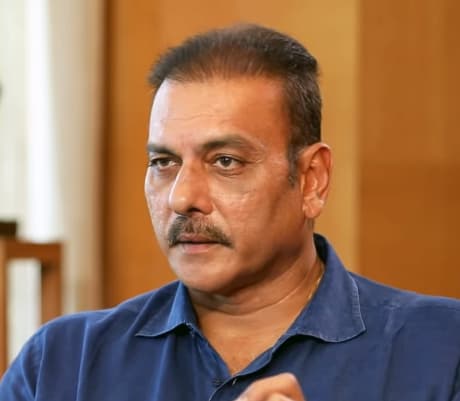
On 16 November 2026, former India head coach Ravi Shastri publicly supported current coach Gautam Gambhir's observations during the ongoing ODI series against New Zealand. Both men stressed that India's bowlers thrive on well‑prepared pitches, while the batting unit has shown vulnerabilities that could affect future tournaments. Their joint comments were made as the series progressed, drawing attention from the cricketing community across the subcontinent.
Shastri reiterated that the Indian bowling attack performs optimally when the surface offers a mix of seam and bounce, allowing pace bowlers to exploit conditions. He echoed Gambhir's earlier plea that pitch preparation should be balanced, ensuring that bowlers are not disadvantaged. The emphasis on pitch quality aligns with recent performances where Indian bowlers have taken key wickets on supportive tracks.
The former coach also highlighted a broader concern regarding India's batting displays in the New Zealand tour. He noted that inconsistent scores have emerged despite a strong top order, raising questions about the team's readiness for high‑pressure events. This assessment mirrors Gambhir's remarks about the need for technical adjustments and mental resilience ahead of major competitions.

 Digital marketing that shows up in revenue
Shastri's endorsement adds weight to Gambhir's stance, given his experience leading the national side for several years. Their combined viewpoint underscores a strategic focus on refining both bowling conditions and batting stability before the 2027 World Cup, a tournament where India aims to defend its title.
The comments come at a time when the Indian side is navigating a competitive series in New Zealand, seeking to balance aggression with consistency. While the bowlers have capitalised on favourable pitches, the batting line‑up has struggled to post competitive totals, prompting the coaching duo to call for targeted improvements.
Cricket analysts have noted that the partnership between Shastri and Gambhir could influence upcoming selection decisions, especially concerning players adept at exploiting balanced surfaces. Their shared perspective may also shape training programmes, with a possible increase in sessions focused on handling varied pitch conditions and strengthening batting techniques.
Looking ahead, further confirmations and official statements are expected as India prepares for its next set of fixtures. The coaching staff is likely to outline specific measures to address the highlighted concerns, aiming to enhance performance before the crucial 2027 World Cup campaign.
Overall, Shastri's alignment with Gambhir signals a unified approach within the Indian camp, prioritising pitch preparation and batting robustness. Their joint message serves as a reminder that success in future tournaments will depend on harmonising bowling strengths with consistent batting contributions across diverse playing conditions.