In IPL 2026, many of the most expensive players have started slowly, while cheaper signings and retained youngsters are giving their teams far better returns for the money spent. The numbers after 42 matches clearly show how much value players like Vaibhav Sooryavanshi, Eshan Malinga and Donovan Ferreira are adding compared to big-money names such as Rishabh Pant, Cameron Green and Nicholas Pooran.
What “value for money” means in IPL 2026
In a simple sense, a value-for-money player is someone who delivers strong performances while taking a relatively small share of the salary purse. It is not a judgement on who is more talented; it is only about output compared to cost.
For example, if one star batter scores 800 runs for a salary of 21 crore, while another uncapped player scores 700 runs for just 30 lakh, the cheaper player gives more value per rupee to his team. The same idea applies to bowlers who take more wickets or bowl more tight overs despite being on smaller contracts.
To keep the comparison fair, only players who have batted at least 50 balls or bowled at least 50 balls in IPL 2026 are included in this value list. That way, the focus stays on players who have been regular parts of their teams and not just one‑match wonders.
Top value-for-money players (after Match 42)
Here is the list of the top 10 value-for-money players so far, based on salary, runs, strike rate, balls faced, wickets, economy, balls bowled, Player-of-the-Match awards and a combined “value score”:
IPL 2026 value-for-money table
| Player | Salary (Cr) | Runs | Strike Rate | Balls Faced | Wickets | Econ | Balls Bowled | POTM | Value Score |
| Vaibhav Sooryavanshi | 1.1 | 400 | 238.09 | 168 | 0 | 0 | 0 | 3 | 896.7 |
| Eshan Malinga | 1.2 | 0 | 0 | 0 | 15 | 8.00 | 213 | 2 | 406.3 |
| Donovan Ferreira | 1.0 | 182 | 158.26 | 115 | 1 | 14.00 | 6 | 0 | 205.7 |
| Priyansh Arya | 3.8 | 283 | 250.44 | 113 | 0 | 0 | 0 | 2 | 173.2 |
| Quinton de Kock | 1.0 | 132 | 162.96 | 81 | 0 | 0 | 0 | 0 | 153.6 |
| Akeal Hosein | 2.0 | 0 | 0 | 0 | 6 | 7.97 | 82 | 1 | 86.6 |
| Mohsin Khan | 4.0 | 0 | 0 | 0 | 9 | 6.37 | 96 | 1 | 81.2 |
| Abhishek Sharma | 14.0 | 425 | 209.35 | 203 | 0 | 0 | 0 | 3 | 65.8 |
| Bhuvneshwar Kumar | 10.75 | 0 | 0 | 0 | 17 | 7.54 | 210 | 2 | 54.5 |
| Jofra Archer | 12.5 | 0 | 0 | 0 | 14 | 8.27 | 198 | 1 | 31.1 |
Stats till Match 42 of IPL 2026
This table already tells a strong story. A 1.1 crore teenager leads the list, while several well-known bowlers and all‑rounders on mid‑range contracts sit above many of the biggest earners in the league.
Vaibhav Sooryavanshi: the bargain superstar
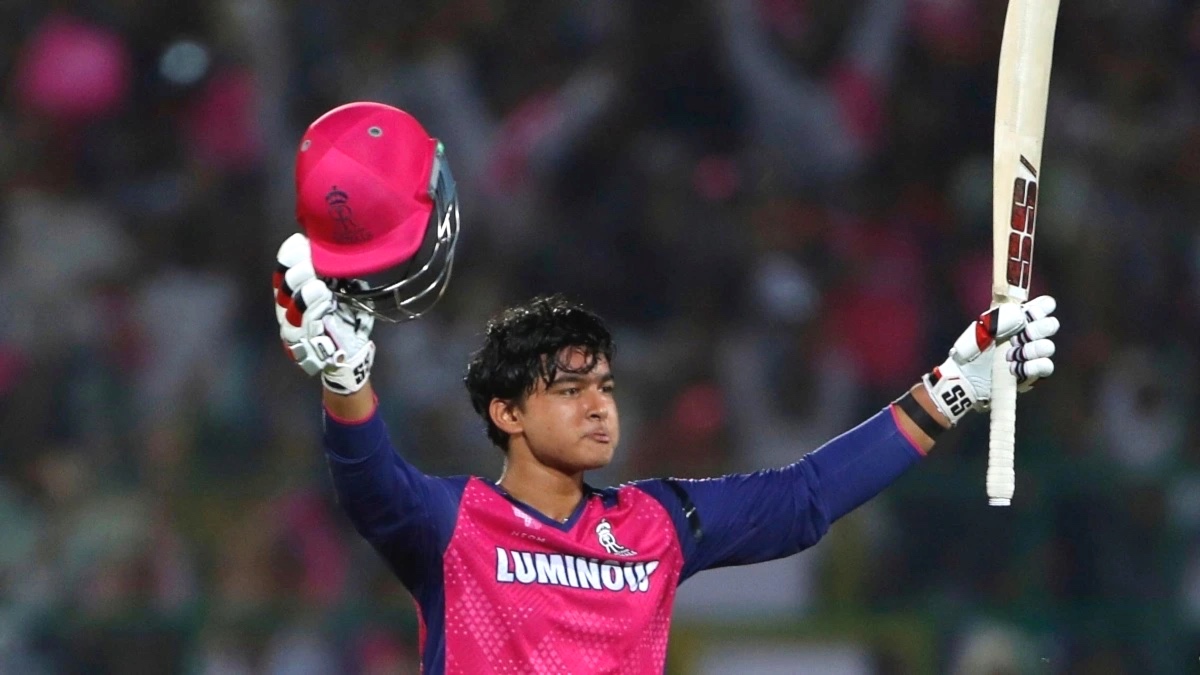
Vaibhav Sooryavanshi has been the face of value in IPL 2026 so far. With 400 runs at a strike rate of 238.09 in just 168 balls, he is not only among the top run-getters but is also scoring much faster than almost everyone else in the tournament. On top of that, he already has a century to his name this season and three Player-of-the-Match awards, which shows how often he has turned games for Rajasthan.
What makes his case even stronger is his price. Rajasthan Royals retained him for just 1.1 crore ahead of IPL 2026, a tiny amount compared to several senior Indian and overseas batters in the league. At only 15 years of age, with the record of being the youngest IPL centurion and one of the quickest hundreds in league history in earlier seasons, he was already a special story before this year. Now, with this level of output at such a low cost, he stands as the clearest value-for-money player of the season till now.
Eshan Malinga: low-cost strike bowler
At number two on the value list is Eshan Malinga, another player on a very modest 1.2 crore contract. He has not contributed with the bat, but with the ball he has delivered exactly what his side needs: 15 wickets in 213 balls. His economy rate of 8 runs per over is solid for a bowler who often operates in pressure phases.
Moreover, he already has two Player-of-the-Match awards, which means his best performances came in high-impact games. For a team, getting a consistent wicket-taker and match-winner at such a low salary makes Malinga a classic value signing in this IPL.
Donovan Ferreira: match-winner in the middle order
Donovan Ferreira might not have the biggest run tally, but his value comes from the way he has changed games. With 182 runs off 115 balls at a strike rate of 158.26, he has played several key knocks in run chases. One of the standout efforts came against Punjab, where while chasing 223, he walked in at 123 for 3 with 100 still needed off 52 balls, and he finished with 52 off 26, sealing the chase with four balls to spare.
In another game against Hyderabad, he smashed 33 off 16 balls, and in an earlier meeting with the same side he scored 69 after his team had slipped to 9 for 5. All this has come for a salary of just 1 crore, after he moved to Rajasthan from Delhi at that price. When a middle-order batter repeatedly rescues or finishes games for that kind of money, it is easy to see why his value score is so high.
Priyansh Arya and Quinton de Kock: top-order efficiency
Priyansh Arya has been another standout in this list. With 283 runs at a staggering strike rate of 250.44 from just 113 balls, he has given his team flying starts almost every time he has walked out. Even though his salary of 3.8 crore is higher than most names above him, his scoring rate and two Player-of-the-Match awards make him one of the best returns in that price band.
Quinton de Kock, on the other hand, is back in the value zone thanks to his 1 crore contract this season. With 132 runs at a strike rate of 162.96 off only 81 balls, he has quietly given solid top-order contributions at a budget price. For a wicketkeeper‑batter with his experience, that salary combined with his output makes him a very smart pick by his franchise.
Akeal Hosein and Mohsin Khan: frugal bowling heroes
While the batters grab headlines, the list also shows how valuable cheap bowlers can be. Akeal Hosein has taken 6 wickets in 82 balls, giving away runs at just 7.97 per over. For a salary of 2 crore, these numbers speak of a bowler who can bowl in tough phases while still keeping a lid on scoring.
Mohsin Khan’s story is even more heartening. After missing earlier seasons due to injury, his team stayed loyal to him, and he has paid them back with 9 wickets in 96 balls at an economy rate of only 6.37. At 4 crore, he is not the lowest-paid bowler, but his numbers and one Player-of-the-Match award show that he is giving very strong value for his price.
Abhishek Sharma: high price, still high value
Abhishek Sharma sits lower on the value-for-money list compared to the cheaper names, mainly because his salary is 14 crore. Even then, he forces his way into the top ten by sheer performance. With 425 runs at a strike rate of 209.35 from 203 balls, he has been one of the most dangerous openers of IPL 2026.
His three Player-of-the-Match awards prove that his runs have not been empty; they have come in big games and big moments. When a player on a double‑digit crore contract still shows up on a value list dominated by youngsters and bargain buys, it underlines just how strong his season has been so far.
Bhuvneshwar Kumar and Jofra Archer: experience still paying off
At 36, Bhuvneshwar Kumar is no longer the new kid on the block, but he remains one of the smartest T20 bowlers in the world. Royal Challengers Bengaluru have paid 10.75 crore to have him in their side this season. In return, he is holding the purple cap with 17 wickets from 210 balls at an economy of 7.54, which is excellent for someone who bowls in the powerplay and at the death.
His death-overs record this season is especially impressive: only 78 runs conceded in 10 overs, with 6 wickets and a dot-ball percentage of 23.3. That kind of control at the back end turns tight games, and it explains why his value score is so strong even at a higher salary bracket. Jofra Archer, on 12.5 crore, also appears in the top ten with 14 wickets in 198 balls at an economy rate of 8.27 and one Player-of-the-Match award, which shows that proven overseas quicks can also be good value when they stay fit and deliver regularly.
When big-money buys misfire
On the other side of the picture are players who carry huge price tags but have not produced enough on the field. Their value scores are very low because the output so far does not match the investment.
High-salary underperformers table
| Player | Salary (Cr) | Runs | Strike Rate | Balls Faced | Wickets | Econ | Balls Bowled | Value Score |
| Nicholas Pooran | 16.0 | 82 | 81.18 | 101 | 0 | 0 | 0 | 3.0 |
| Jasprit Bumrah | 12.0 | 0 | 0 | 0 | 2 | 8.80 | 180 | 3.8 |
| Rishabh Pant | 27.0 | 189 | 126.84 | 149 | 0 | 0 | 0 | 6.3 |
| Cameron Green | 25.2 | 196 | 153.12 | 128 | 2 | 12.12 | 48 | 8.5 |
| Suryakumar Yadav | 16.35 | 162 | 140.86 | 115 | 0 | 0 | 0 | 10.0 |
Stats till Match 42 of IPL 2026
This table does not mean these players are not good cricketers. It only captures the gap between what their teams are paying and what they have produced in this particular phase of the season.
Nicholas Pooran: strike rate falls, value drops
Nicholas Pooran is usually known as a fast-scoring finisher, but this season he has struggled to find that gear. With 82 runs off 101 balls at a strike rate of only 81.18, he has scored slower than most top-order batters in the league. For a 16 crore signing, that output puts a heavy load on the rest of the batting order.
Because he has not contributed with the ball, his entire value score is built only on batting, and so far that has not been enough. Unless his scoring rate rises sharply, he will continue to stay near the bottom of the value table.
Jasprit Bumrah: control but not enough wickets
Jasprit Bumrah’s case is a bit different. He has bowled 180 balls this season and has gone at 8.8 runs per over, which is not poor in T20 cricket. However, he has managed just 2 wickets in that time, and for a bowler paid 12 crore to lead an attack, that wicket count is clearly low.
Wickets are a big part of the value calculation for bowlers, especially for strike bowlers who are expected to break key partnerships. Even if Bumrah keeps the runs down, his team needs him to remove batters regularly. So, his value score stays near the bottom because his main job is not getting done often enough.
Rishabh Pant: the 27 crore headache
No name stands out more in this discussion than Rishabh Pant. Lucknow Super Giants kept him at a record 27 crore ahead of the season, making him the highest-paid player in IPL history. He is also captaining the side and usually bats at number three, which means he carries huge responsibility with both bat and tactics.
So far, he has scored 189 runs off 149 balls at a strike rate of 126.84, which is average for a top-order T20 batter on most pitches. His value score below 7 reflects this slow start. The match details show why it feels even worse: 42 from 38 balls in a chase of 156 against Kolkata, a duck in a chase of 160 against Rajasthan when the team folded for 119, and 1 from 6 balls against Bengaluru in a key contest. When such innings come from the costliest player in the league, the gap between price and return becomes very sharp.
Cameron Green and Suryakumar Yadav: flashes, but not enough
Cameron Green is another big buy who has not justified his 25.2 crore price tag yet. With 196 runs from 128 balls at a healthy strike rate of 153.12, his batting numbers alone do not look bad, but given his role as an all‑rounder, more is expected. With the ball, he has taken only 2 wickets in 48 balls and has gone for 12.12 runs per over, which hurts his overall value.
Suryakumar Yadav, on 16.35 crore, has also been below his best so far. His 162 runs from 115 balls at a strike rate of 140.86 are decent by normal standards, but for someone known as one of the most dangerous T20 batters in the world, these numbers feel under par. Without big match-winning knocks to push his value score up, he too finds himself in the underperformers list for now.
Why value tables look so different from star lists
These value-for-money tables remind everyone that IPL success is not only about who earns the most. A youngster like Vaibhav Sooryavanshi on 1.1 crore can easily outshine a superstar on 20-plus crore if his runs, strike rate and match impact are far higher for a smaller fee. At the same time, a mid-price bowler like Bhuvneshwar Kumar can comfortably beat more expensive quicks if he keeps taking wickets and controlling the run rate.
In the end, this kind of value lens simply shows which players are giving their franchises the strongest returns for every rupee spent in IPL 2026 so far, and which big names have started the season on the wrong side of that balance.