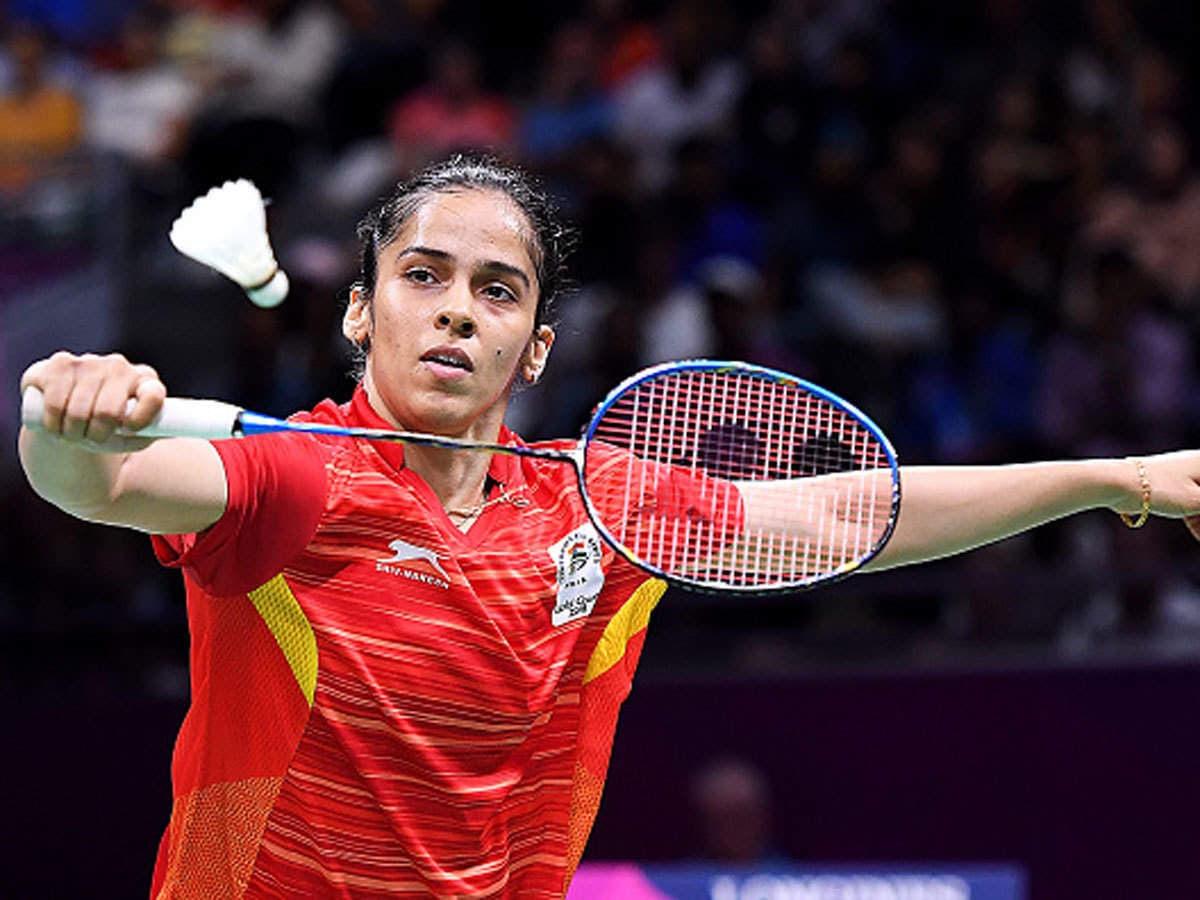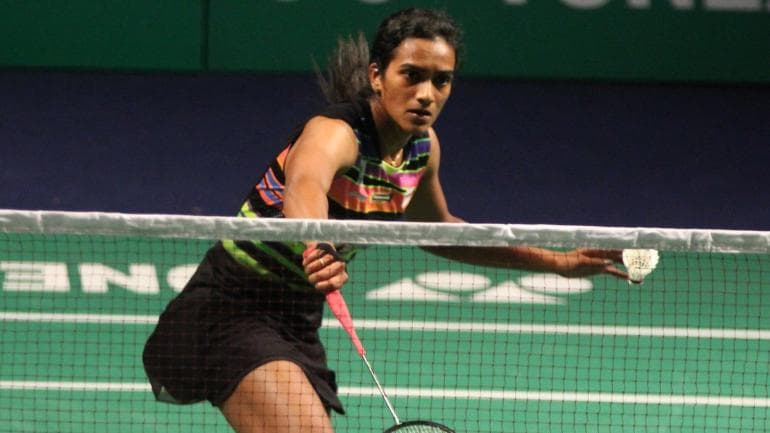
On 4 November 2026 Indian badminton athletes travelled to Europe for a series of tournaments without financial support from the national sports authority. The lack of released funds meant the players had to arrange and pay for travel, accommodation and related costs out of their own pockets, a situation that has drawn attention across the sport's community.
The funding issue stemmed from a missed deadline for the release of allocated resources intended for the European swing. As a result, the usual sponsorship and assistance that backs Indian shuttlers on overseas tours was unavailable, leaving the athletes to shoulder the full financial burden of the trip.
The Sports Authority of India (SAI) has publicly denied that the funds were withheld deliberately, stating that the shortfall was a consequence of the missed deadline rather than an intentional denial. This clarification seeks to address speculation about the authority's role in the financial setback experienced by the players.
Players on the tour, including senior representatives, have confirmed that they covered all expenses themselves. While specific figures have not been disclosed, the situation underscores the challenges athletes face when administrative timelines are not met, impacting preparation and performance on the international stage.
The incident has sparked discussion among stakeholders about the importance of timely disbursement of funds for overseas competitions. It highlights the reliance of Indian badminton athletes on structured financial support to compete effectively against global opponents.
Background reporting notes that the funding controversy continues to attract focus across major sports circuits, reflecting broader concerns about resource allocation for Indian athletes. The episode adds to ongoing dialogues about governance and financial management within national sporting bodies.
Looking ahead, further confirmations and official statements are expected as the badminton calendar progresses. Upcoming competitive fixtures will test how the players manage without the anticipated financial backing and whether corrective measures will be implemented before the next series of tournaments.
The situation serves as a reminder of the logistical and financial complexities inherent in international sport. Ensuring that funding mechanisms operate smoothly remains critical for maintaining India's competitive edge in badminton and supporting its athletes on the world stage.