
Indian Cricket Team Chief Selector Ajit Agarkar’s Report Card After Two Years
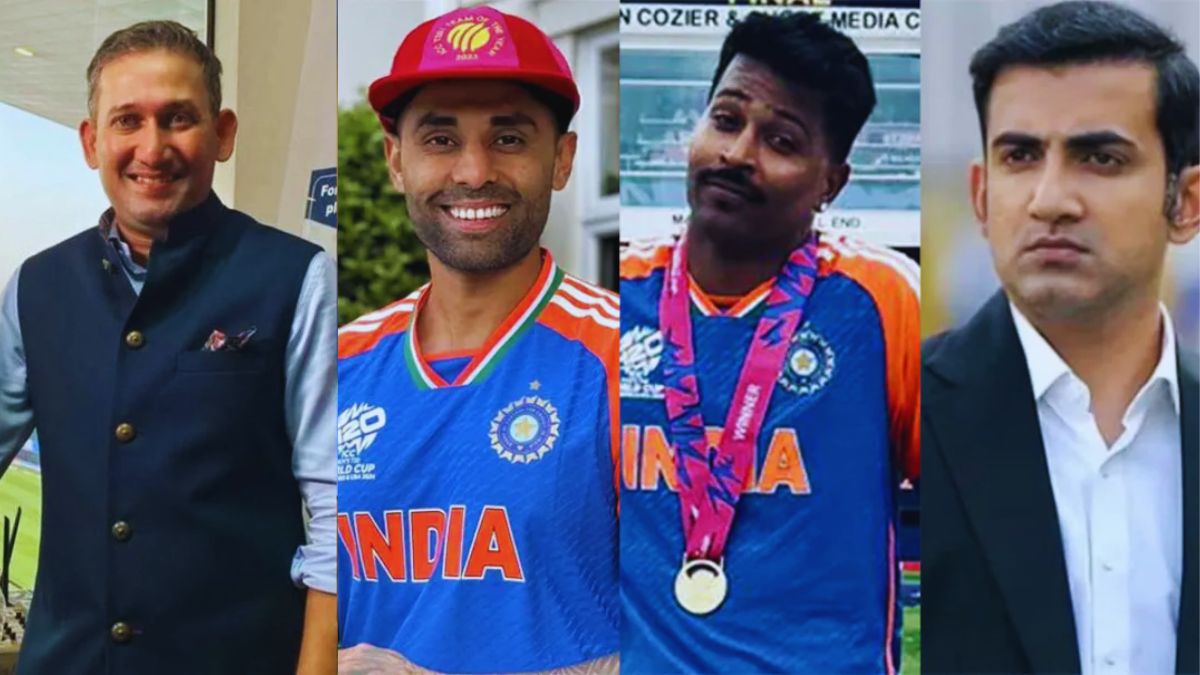
Ajit Agarkar became the chief selector for Team India in July 2023, and his work has been impressive so far. The former Indian cricket player has made many good decisions in his role that have helped Team India win important tournaments. After two years in this position, it is time to look at how well Ajit Agarkar has performed in Indian cricket team selection.
Since taking over the selection job, Team India has achieved many big victories. The team reached the final of Cricket World Cup 2023, won the T20 World Cup 2024, and also won the Champions Trophy in 2025. Additionally, India managed to tie the Test series in England 2-2, which was a great result away from home.
When cricket teams do well, people usually praise the players and coaches. However, the person who picks these players often does not get enough credit. Ajit Agarkar deserves praise for his smart choices during these successful two years.
Best Decisions Made in Team Selection
One of the best decisions was choosing Suryakumar Yadav as the T20I captain instead of Hardik Pandya. After Rohit Sharma retired from T20I cricket following the World Cup win, many people expected Hardik to become captain. However, Suryakumar was picked because Hardik gets injured too often.
This decision proved to be very smart. Suryakumar has done well as T20I captain and has not missed matches due to injury like Hardik often does. The selection was made thinking about the team’s long-term success.
Another excellent decision by Ajit Agarkar was making domestic cricket mandatory for all players. Even star players like Virat Kohli and Rishabh Pant now have to play Ranji Trophy matches if they want to stay in the Indian team. This rule has helped many young players get noticed by playing against established stars.
The selection committee also showed it does not favor star players just because of their names. When Mohammed Shami was not fit enough, he was dropped from the team. Later, when Shami got fit, he was given another chance in Champions Trophy 2025. Recently, Ravindra Jadeja was also dropped from Australia ODI series, showing that performance matters more than reputation.
Supporting KL Rahul Despite Poor Form
One of the bravest decisions was continuing to support KL Rahul in Test cricket. Last year, Rahul’s Test average had dropped to 33-34, and many people wanted him out of the team. However, the selectors kept faith in Rahul as a Test player.
This decision paid off very well. KL Rahul changed his approach and became a successful Test opener. He has scored many important runs for India since being backed by the selection committee. This shows that talent can be spotted even when players are going through bad form.
The selectors also made a smart choice by giving captaincy to Shubman Gill before the England series. Gill was struggling with his Test batting at that time, but the responsibility of captaincy helped him improve. He scored 700 runs in that series, proving that the right choice was made.
Giving Chances to Deserving Players
The selection has been good at giving opportunities to players who deserved chances but were overlooked before. Sanju Samson is a perfect example of this. Samson was given a long rope in the Indian team, and the wicket-keeper batsman has made good use of these chances.
Abhishek Sharma was also backed as a T20I opener, even though Yashasvi Jaiswal was available. This decision required clear thinking because both players are talented. Abhishek has done well in the opportunities given to him.
Another smart recall was bringing back Varun Chakravarthy to the Indian team. The spinner had a poor run in 2021 and was ignored for years after that. However, potential was seen in him and he was picked for the Bangladesh series in 2024. Varun has performed well since his comeback.
Some Questionable Decisions in Selection
While many good choices have been made, there have been some questionable decisions too. The biggest concern has been Jasprit Bumrah’s workload management. Bumrah was played in only three Tests in England, which was understandable to manage his workload.
However, the same selection then picked Bumrah for Asia Cup T20Is, which seemed unnecessary. India could have done well in that tournament without their main fast bowler. Just days after the Asia Cup, Bumrah was playing a Test against West Indies, which raised questions about the planning.
The inclusion of Harshit Rana in all formats has also been puzzling. The selectors and coaches seem to see a lot of potential in Rana, but he has not performed well in any format yet. His selection in Tests and ODIs has surprised many cricket experts.
Another confusing decision was sending Anshul Kamboj to England for the Test series. It appeared that Kamboj might have been injured during his only Test, which raises questions about whether his fitness was known before selecting him for the tour.
Overall Performance Rating
Despite these few questionable choices, a 9 out of 10 rating is deserved for the work done in team selection. The good decisions have far outnumbered the questionable ones, and the results speak for themselves. Team India has won major tournaments and performed well in difficult conditions.
The most impressive thing about the current selection approach is the willingness to make tough decisions. There has been no hesitation to drop big names when they were not performing and young players have been backed when they needed support. This balance between being strict and supportive is what makes good selection.
The decision to make domestic cricket mandatory will benefit Indian cricket for years to come. Young players now get the chance to play against established stars, which helps them improve their game and gain confidence.
The success in major tournaments shows that the right players have been picked for big occasions. Winning the T20 World Cup and Champions Trophy requires not just talented players but also mentally strong cricketers who can handle pressure.
The few mistakes made can be seen as learning experiences. Managing player workload is always challenging, and even the best selectors make errors in this area. The important thing is learning from these mistakes and making better decisions in the future.
The selection of players like Harshit Rana shows willingness to take risks on young talent. While it has not worked out yet, this approach could pay off in the long run if these players develop their skills.
Ajit Agarkar has brought a fresh approach to team selection. The focus on performance over reputation has created a competitive environment in Indian cricket where every player knows they need to perform to stay in the team.
Communication with players about what is expected from them has also been good. This clear communication has helped players understand their roles and work on improving their weaknesses.
After two years in the position, it has been proven that the right skills and vision are available for this important job. The extension for another year shows that the cricket board has confidence in these abilities.
The combination of major tournament victories and good performance in difficult series shows that a strong team culture has been built. Players know that merit will be rewarded and poor performance will not be tolerated.
The selection approach has created healthy competition among players. Everyone knows that past achievements will not guarantee future selection if current form is poor. This has motivated players to work harder and stay fit.
Young players have been given opportunities when they have performed well in domestic cricket. This has sent a clear message that talent will be recognized regardless of age or experience.
Senior players have also been held accountable for their performances. The retirement of Rohit Sharma and Virat Kohli from some formats was partly due to the clear message that fresh talent was ready to take over.
The mandatory domestic cricket rule has been one of the best decisions made. It has improved the standard of Ranji Trophy and other domestic tournaments because international players are now participating regularly.
Building for the Future
The selection philosophy has been focused on building a team that can succeed in different conditions around the world. Players have been tested in various situations and those who have succeeded have been backed consistently.
The emphasis on fitness and fielding standards has also improved the overall quality of the team. Players know that being fit and agile in the field is as important as scoring runs or taking wickets.
The rotation policy for fast bowlers has helped manage workloads better, though there have been some mistakes in this area. The overall approach of keeping bowlers fresh for important matches has been positive.
The integration of young players with experienced ones has been handled well. Senior players have been encouraged to mentor younger teammates, creating a good team environment.
Indian cricket fans can be satisfied with the work done in team selection over the past two years. While there is always room for improvement, high standards have been set for future selectors to follow. The success in major tournaments and competitive series shows that the right direction has been taken for Indian cricket.
Related posts:
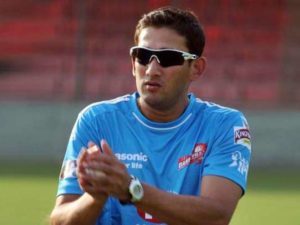 Report: Ajit Agarkar might become India’s next chief-selector
 On this day in 2002: India secure unforgettable victory over England at Leeds
 “Here’s Why Kl Rahul was dropped from the National Team” reveals Chief Selector Ajit Agarkar in the recent Press Conference
 India and USA Set for a Historic Clash in the T20 World Cup 2024: Strategies, Challenges, and Predictions