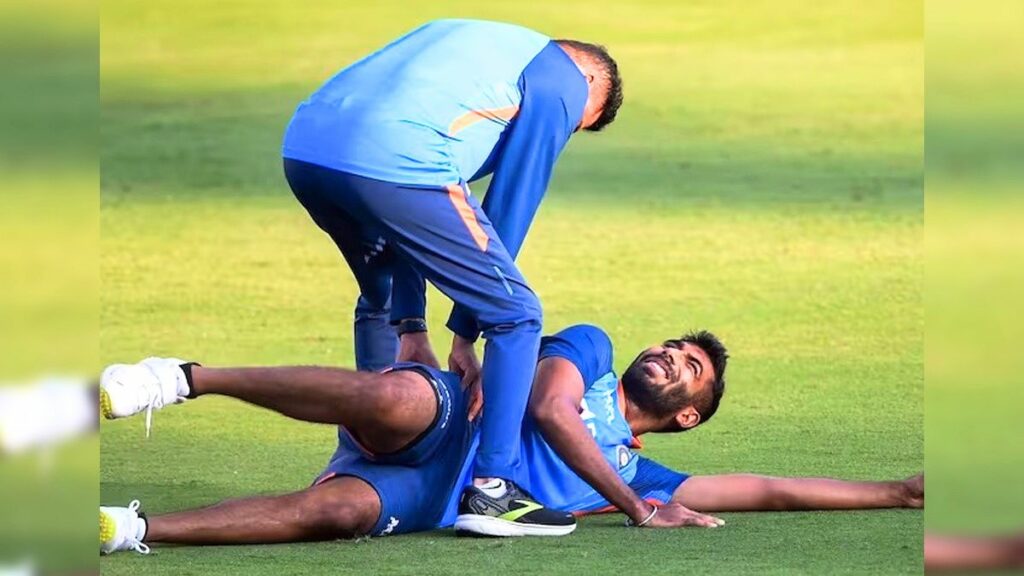
The World Cup is one of the biggest cricket tournaments in the world, and it is also one of the most physically demanding. The tournament can last up to a month, and teams can play up to seven matches in that time. This can have a significant impact on player injuries and fitness management.
One of the biggest challenges for teams is managing their players’ fitness levels and ensuring that they are not at risk of injury or burnout. This can be especially difficult during the World Cup, where teams have less time to rest and recover between matches.
One solution to this problem is to use squad depth and rotate players. This means that teams have a larger squad of players and can rotate them to ensure that players get enough rest between matches. This also allows teams to use different tactics and formations to adapt to different opponents.
Another solution is to use technology and data to monitor player fatigue and performance. This can help teams to manage their players’ workload and ensure that they are not at risk of injury or burnout. For example, teams can use GPS trackers to monitor players’ distance covered and speed during matches, as well as heart rate monitors to track their recovery and fitness levels.

However, despite these solutions, injuries are still a common occurrence during the World Cup. This can have a significant impact on a team’s performance and results. Injuries can force teams to change their tactics and formations, and they can also lead to players missing matches or even the entire tournament.
One of the biggest factors that can contribute to injuries during the World Cup is the schedule. Teams often have to play matches every few days, which can be physically demanding and can increase the risk of injuries. This can be especially challenging for players who are not used to playing at such a high level for an extended period of time.
The World Cup schedule can have a significant impact on player injuries and fitness management. Managing players’ fitness levels and ensuring that they are not at risk of injury or burnout is crucial for a team’s performance and results.
Using squad depth, technology, and data to monitor player fatigue and performance are key solutions to this problem. However, despite these solutions, injuries are still a common occurrence during the World Cup, and the schedule can be a significant factor in this.
Related posts: