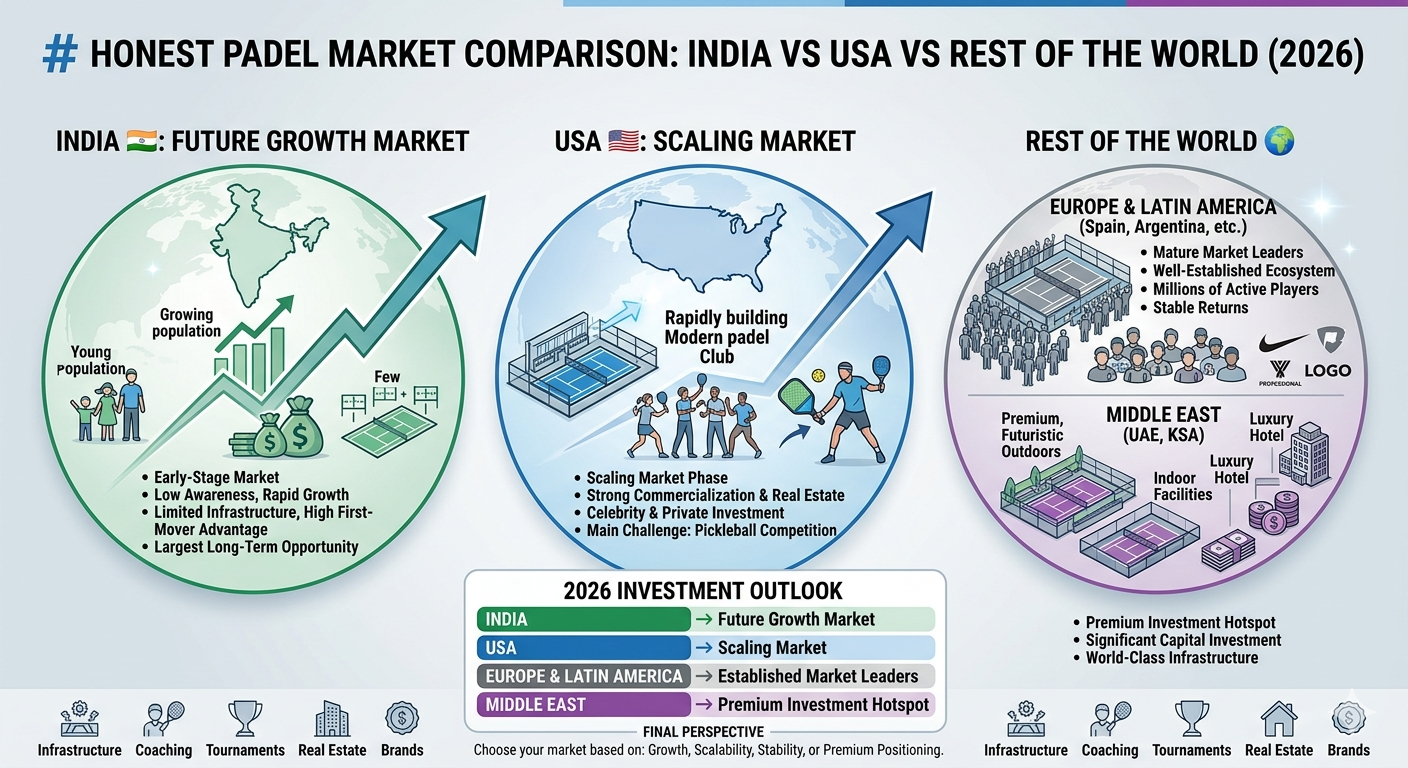
India’s Pickleball Boom 🇮🇳 is no longer a niche trend—it’s a rapidly expanding sports ecosystem with serious business potential. What started as a recreational activity is now turning into a structured industry with growing participation, rising infrastructure demand, and increasing investor interest. The real question is not whether pickleball will grow in India, but how individuals and businesses can strategically position themselves to benefit from this surge.
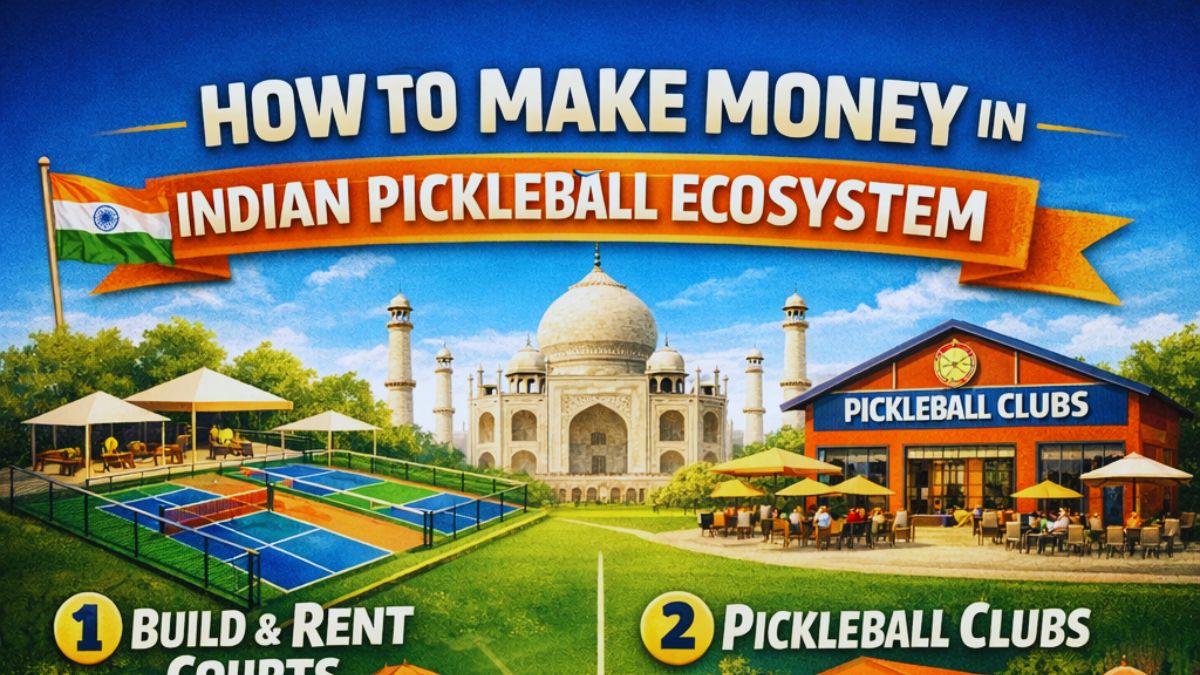
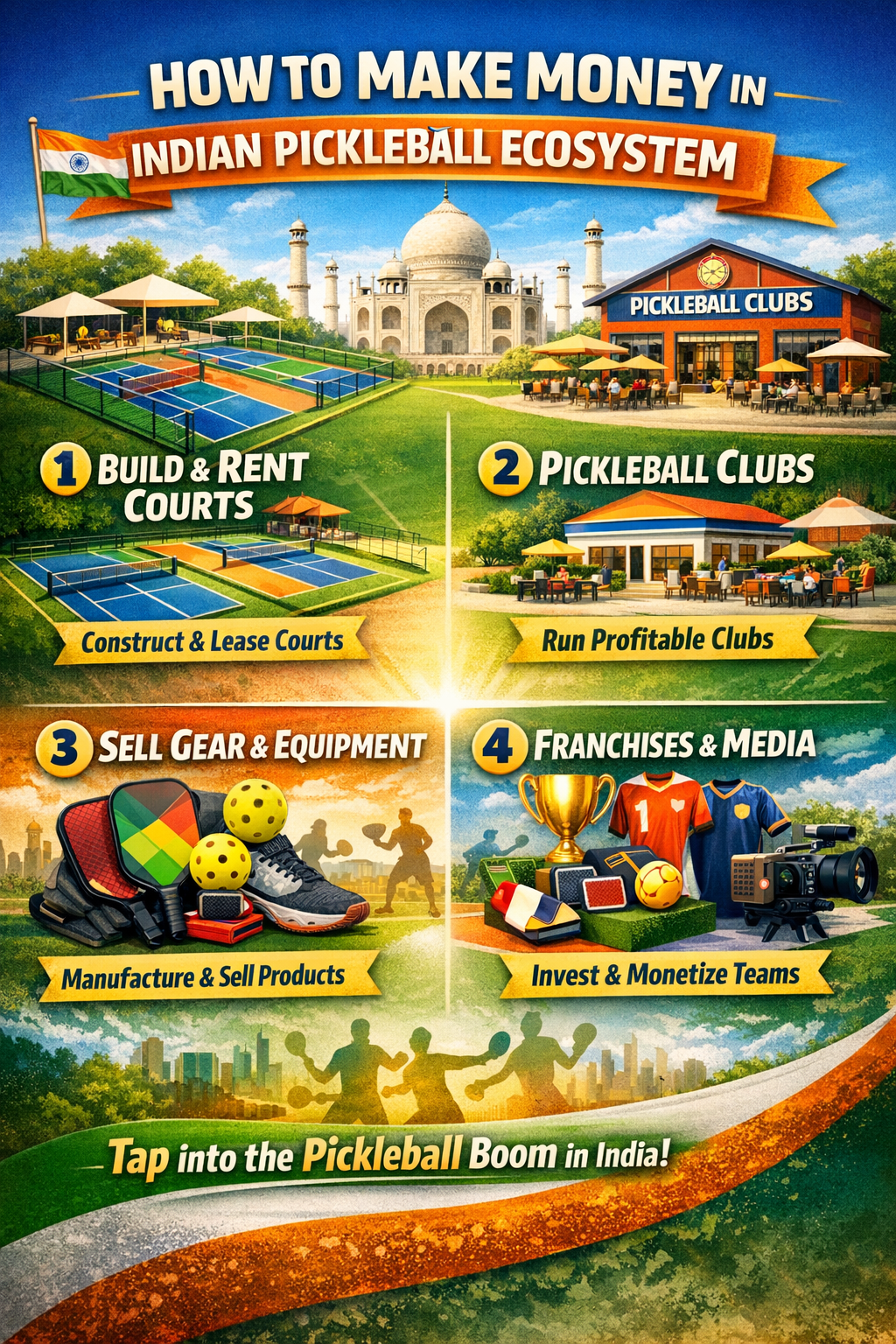
Here are four powerful and practical ways to tap into the Indian pickleball ecosystem and build sustainable revenue streams:
1. Build & Monetize Courts
At the heart of the pickleball ecosystem lies infrastructure. Currently, one of the biggest gaps in India is the lack of quality courts compared to the rising number of players. This imbalance creates a strong opportunity for early movers.
Building pickleball courts can be a highly profitable venture if executed correctly. Entrepreneurs can develop courts in urban areas, residential societies, schools, or sports complexes and rent them out on an hourly basis. Depending on the city and quality of the facility, hourly rentals can range from ₹500 to ₹1500 or even higher in premium locations.
Beyond simple rentals, court owners can unlock multiple revenue streams. Coaching programs for beginners and advanced players, weekend tournaments, and monthly memberships can significantly boost income. These layered offerings help in maximizing utilization and creating a steady cash flow.
An even smarter play is to become a service provider rather than just an owner. With limited expertise available in India, there is demand for professionals who can design and construct courts for others. By offering turnkey solutions—from planning to execution—you can charge premium fees and scale your business without owning every asset.
2. Create a Pickleball Club Model
While courts are essential, the real long-term opportunity lies in building communities. This is where the club model comes into play.
Instead of a single court setup, entrepreneurs can develop a facility with 3 to 6 courts and operate it as a professional pickleball club. The idea is to go beyond just playing space and create an environment where people come regularly, interact, and feel part of a growing community.
Membership models are key here. Monthly or yearly subscriptions ensure recurring income and help in building a loyal customer base. Adding structured coaching programs, internal leagues, and events further enhances engagement and retention.
To increase revenue potential, clubs can integrate additional elements such as a café, merchandise store, and social zones. These not only improve the customer experience but also open new monetization avenues.
The club model works because it combines sport, lifestyle, and social interaction. It creates stickiness, which is crucial for long-term profitability. In a market like India, where community-driven activities thrive, this model has strong potential to scale.
3. Manufacturing & Equipment Business
Another major opportunity lies in the equipment segment. Currently, India relies heavily on imported pickleball gear, including paddles, balls, nets, and accessories. This dependency creates a clear gap for domestic manufacturing and branding.
Starting an equipment business can be highly rewarding, especially for those who understand branding and distribution. By manufacturing or sourcing products locally and building a direct-to-consumer (D2C) brand, businesses can offer competitive pricing while maintaining quality.
The key here is positioning. Instead of being just another seller, the goal should be to build a recognizable sports brand. Strategic partnerships with pickleball academies, clubs, and coaches can help in driving bulk sales and establishing credibility.
Additionally, as the sport grows, there will be increasing demand for specialized products such as performance footwear, apparel, and training equipment. Early entrants in this space can capture significant market share and potentially become category leaders.
This segment is not just about selling products—it’s about building a brand that players trust and identify with.
4. Franchise, Teams & Media Rights
The most exciting and high-potential opportunity lies at the top of the ecosystem—franchises, leagues, and media.
As pickleball gains popularity, organized leagues and tournaments will become more prominent. This opens doors for investors to buy or build teams, similar to franchise-based models seen in other sports.
Revenue in this segment comes from multiple channels. Sponsorships and jersey branding are primary sources, as brands look to associate with emerging sports. Digital content, including social media engagement and live streaming, adds another layer of monetization.
Broadcasting rights, though still in early stages for pickleball in India, have immense future potential. As viewership grows, platforms will be willing to pay for exclusive rights, creating a significant revenue stream.
Fan engagement is another untapped area. Experiences such as meet-and-greets, exclusive memberships, and merchandise can further enhance earnings.
While this segment requires higher investment and patience, it also offers the largest upside. Those who enter early can shape the narrative and build valuable sports properties over time.
Final Perspective
Pickleball in India is more than just a sport—it is an emerging ecosystem with multiple entry points for entrepreneurs, investors, and creators. From infrastructure and community-building to manufacturing and media, each layer offers unique opportunities to generate income and create impact.
What makes this moment particularly exciting is that the industry is still in its early stages. This means lower competition, higher growth potential, and the chance to establish leadership positions.
Those who take action now won’t just participate in the growth—they will help define it. Whether you choose to build courts, create clubs, launch a brand, or invest in leagues, the key is to start early and think long-term.
The window is open, but it won’t stay that way forever.