The cricketing relationship between India and Pakistan remains strained as the unofficial handshake boycott continues unabated. The practice, first observed during the 2025 men's Asia Cup, has now been noted across men’s and women’s matches, spanning senior, junior and age‑group tournaments. The boycott emerged weeks after the Pahalgam terror attack, adding a political dimension to on‑field interactions.
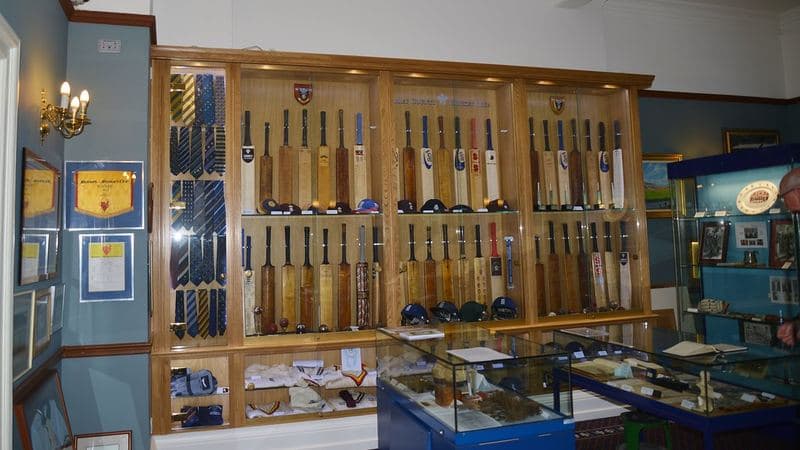
The MCC has publicly reacted to the ongoing boycott, describing the situation as being driven by directives from higher authorities. While the body cannot compel players to resume the traditional handshake, it has highlighted the broader impact on the spirit of the game. The MCC’s statement underscores the difficulty of influencing actions that stem from national sentiment rather than cricketing governance.
India’s cricket administration has reiterated that the handshake row lies beyond the MCC’s control, emphasizing that any change must come from the respective cricket boards and governments. This stance aligns with earlier comments that the MCC lacks the authority to enforce behavioural protocols in bilateral encounters, especially when political sensitivities are involved.

 Digital marketing that shows up in revenue
The boycott’s expansion beyond the senior men’s arena reflects its entrenchment within the cricketing culture of both nations. Women’s fixtures, under‑19 contests and other age‑group tournaments have all witnessed the refusal to engage in the customary post‑match handshake, signalling a systematic adoption of the practice across the sport’s hierarchy.
Observers note that the continuation of the boycott may affect the perception of sportsmanship in international cricket. While the handshake has traditionally symbolised mutual respect, its absence has become a visible marker of the ongoing diplomatic tensions between the two neighbours. The situation illustrates how external events can permeate sporting etiquette.
The Pahalgam terror attack, which occurred shortly before the 2025 Asia Cup, is frequently cited as the catalyst for the initial boycott. The incident heightened security concerns and nationalistic feelings, prompting cricketing authorities to adopt a more cautious approach to player interactions. This background provides context for the sustained refusal to resume the handshake ritual.
Looking ahead, further confirmations and official statements are expected as both sides prepare for upcoming competitive fixtures. The cricketing calendar includes bilateral series and multi‑nation tournaments where the handshake issue may re‑emerge. Stakeholders anticipate that any resolution will require diplomatic dialogue alongside cricketing negotiations.
In summary, the handshake boycott that began in 2025 has become a pervasive element of India‑Pakistan cricket encounters, affecting all genders and age groups. The MCC has acknowledged the situation but clarified its limited jurisdiction, while the Indian board stresses that the matter lies beyond the MCC’s remit. As future matches loom, the cricketing community awaits clearer guidance from the respective boards and possibly broader diplomatic engagement.