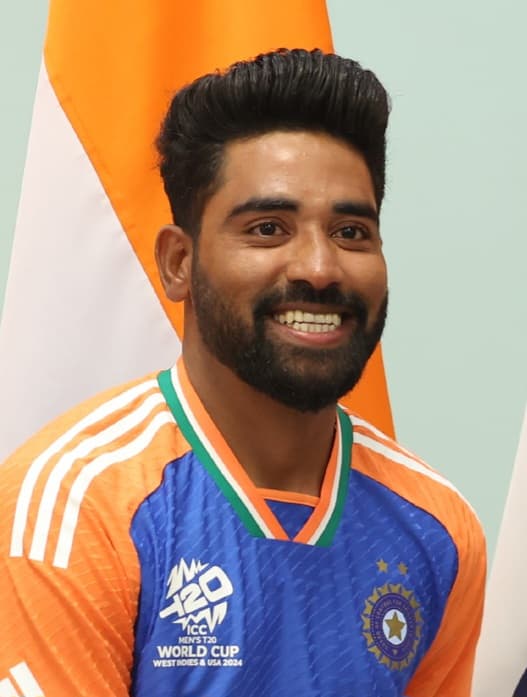
The ongoing Test between India and New Zealand in Wellington has become a focal point for political commentary after a Congress parliamentarian suggested that fast bowler Mohammed Siraj was left out for religious reasons. The claim has drawn swift rebuttal from former India opener Gautam Gambhir, who described the accusation as unfounded and stressed that selection decisions are based on performance criteria alone.
Atul Wassan, a veteran cricket analyst, echoed Gambhir’s stance, stating that the allegations of communal discrimination lack any factual basis. He highlighted that team selection is a complex process involving multiple factors such as form, fitness and tactical considerations, and warned against politicising sport in a manner that could undermine the integrity of the game and its governing bodies.
Imran Masood, the Congress MP who raised the issue, linked Siraj’s omission directly to his faith, sparking a broader debate about the role of religion in Indian sport. While the comments have generated media attention, no official statement from the team management has been released to confirm or deny any bias, leaving the matter largely within the realm of public speculation.

 Digital marketing that shows up in revenue
Gambhir’s response focused on the principle that cricket should remain insulated from communal narratives. He reminded observers that India’s selection panel operates independently and that players are evaluated on merit. By rejecting the notion of a communal motive, he aimed to defuse tensions and redirect focus back to the on‑field contest between the two sides.
The Test itself continues with both teams vying for a series advantage. India’s bowling attack, despite Siraj’s absence, features a mix of pace and spin options, while New Zealand relies on its home conditions to challenge the visitors. The match’s progression offers a practical context for assessing whether selection choices are justified by performance outcomes.
Background information indicates that the controversy has attracted attention across major sports circuits, reflecting the heightened sensitivity surrounding selection debates in high‑profile series. The incident underscores how political commentary can intersect with sporting narratives, especially when national pride and identity are involved, prompting stakeholders to reaffirm the apolitical nature of team decisions.
Looking ahead, further confirmations and official statements are expected as the series progresses. The cricket board is anticipated to address any lingering questions about selection policy, while the teams prepare for the remaining fixtures. Observers will watch closely to see whether the focus returns to cricketing performance or remains clouded by external commentary.
In the meantime, fans and analysts alike are urged to consider the broader implications of attributing sporting outcomes to communal factors. The emphasis remains on the players’ abilities to perform under pressure and on the selectors’ responsibility to field the strongest possible side, free from unfounded accusations.